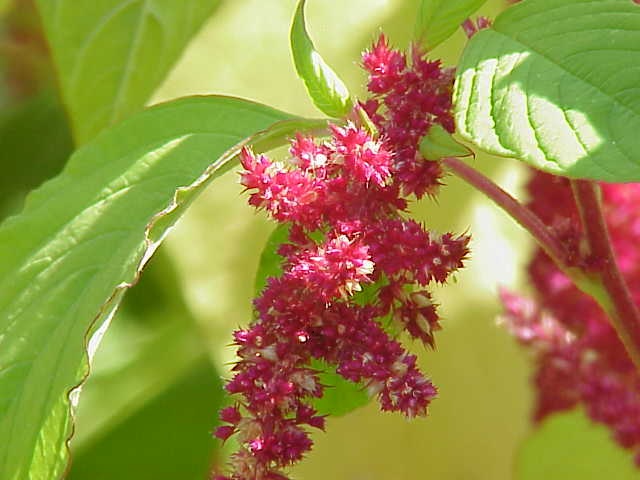
Once considered the sacred plant of the Aztecs, amaranth (Amaranthus spp.) is making a comeback in modern nutrition as one of the most valuable pseudocereals. With a unique content of complete proteins, essential amino acids, and rare antioxidants, this ancient plant not only nourishes deeply but also supports cellular health, hormonal balance, and profound body recovery.
Exceptional Nutritional Composition
Amaranth is not a true cereal but a pseudocereal similar to quinoa or buckwheat. It stands out due to:
- Complete proteins (including lysine, a rare amino acid in plants)
- Soluble and insoluble fibers
- Iron, calcium, magnesium, phosphorus, and zinc
- Vitamin E, B complex (especially B6 and folic acid)
- Polyphenols, squalene, and antioxidant flavonoids
Major Benefits and How It Acts in the Body
1. Regenerates Cells and Supports Collagen Synthesis
Due to the lysine and vitamin C found in the leaves and seeds of the plant, amaranth contributes to tissue repair, collagen synthesis, and faster skin healing.
Study: Amaranth grain as a source of dietary lysine, Cereal Chemistry, 1993
2. Strengthens the Immune System
The high content of zinc and squalene stimulates the production of immune cells, protecting the body from infections and inflammation.
Study: Squalene: potential chemopreventive agent, Nutrition and Cancer, 1996
3. Reduces Cholesterol and Regulates Blood Pressure
The fibers and phytosterols in amaranth contribute to lowering LDL cholesterol and improving cardiovascular health.
4. Supports Mental and Hormonal Health
With its magnesium and tryptophan content, amaranth balances the nervous system, reduces anxiety, and supports serotonin synthesis.
5. Helps in Cases of Anemia
Amaranth is an excellent plant source of iron, which, along with vitamin C, is easily absorbed, preventing hemoglobin deficiencies.
How to Consume Amaranth: Practical Ideas and Simple Recipes
Amaranth is extremely versatile and can be consumed in the form of seeds, flour, or green leaves. Its taste is easy to integrate into numerous recipes, having a mild, nutty flavor.
1. Cooked Amaranth Seeds as a Base for Main Dishes
Cook the amaranth seeds in a ratio of 1:3 (one part amaranth, three parts water) for about 20-25 minutes.
The result is a slightly gelatinous texture, similar to fine couscous.
Ideal for: breakfast (with dried fruits and nuts), side dishes for vegetables, veggie patties, or stews.
2. Amaranth Porridge for Breakfast
Cook with plant-based milk (oat, almond, etc.) and add nuts, honey, or dried fruits at the end.
The creamy texture makes it ideal for those who are fasting or have gluten intolerance.
3. Amaranth Popcorn: A Quick and Healthy Snack
Put 1-2 tablespoons of raw seeds in a hot pan without oil. In a few seconds, the seeds will pop, forming small crunchy granules.
Perfect for a snack.
4. Amaranth Flour for Gluten-Free Preparations
Grind the dried seeds and use the flour in a ratio of 20-30% alongside other flours in:
- gluten-free bread
- pancakes
- cookies
- cake batters
Amaranth flour is dense and rich in protein, providing satiety and a mild nutty flavor.
5. Amaranth Leaves Consumed as Greens
Young leaves can be prepared just like spinach:
- sautéed in olive oil with garlic
- added to soups or broths
- stewed with onions and spices
- in green smoothies (in small quantities)
The leaves are extremely nutritious, rich in iron, calcium, and vitamin K.
Contraindications
- People with gout or high uric acid levels should avoid excessive consumption, as it contains purines.
- It may be irritating for some in cases of irritable bowel syndrome (during acute phases), especially if not well-hydrated before consumption.
- Pregnant women should consult a doctor before frequent consumption (due to the squalene content).
Sources:
- Cereal Chemistry Amaranth grain as a source of dietary lysine
- Nutrition and Cancer Squalene: potential chemopreventive agent




