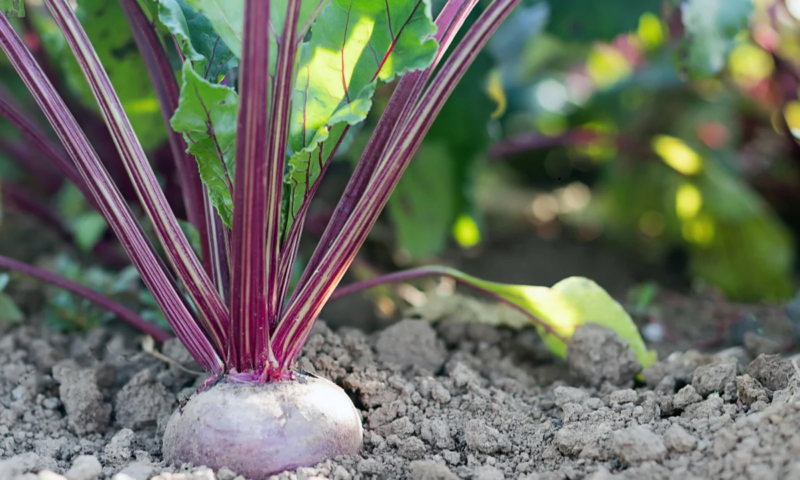
Beetroot (Beta vulgaris) is one of the most nutritious and versatile vegetables, rich in vitamins, minerals, and antioxidants. It is used both in nutrition and in herbal medicine for its detoxifying, anti-inflammatory, and energizing effects. However, there are situations where the consumption of beetroot should be limited or even avoided.
Composition and Active Substances
Beetroot is an excellent source of:
- Vitamin C, essential for immunity and skin;
- Folic acid (vitamin B9), vital for pregnancy and the formation of red blood cells;
- Iron, involved in preventing anemia;
- Magnesium, potassium, and manganese, important for muscular and nervous health;
- Betaine, an active compound with strong anti-inflammatory and hepatoprotective effects;
- Natural nitrates, which support cardiovascular health and improve physical performance;
- Betalain pigments, with intense antioxidant action.
Health Benefits
1. Liver Detoxification
Betaine helps in the metabolism of fats and supports liver function. It promotes the elimination of toxins and protects the liver from fat accumulation (fatty liver). Studies show that betaine reduces liver inflammation and aids in the regeneration of liver cells.
2. Regulation of Blood Pressure
Beetroot is rich in natural nitrates which, once converted to nitric oxide, relax blood vessels and improve circulation. A study published in Hypertension demonstrated that a glass of beetroot juice significantly reduces both systolic and diastolic blood pressure.
3. Improvement of Athletic Performance
Athletes often consume beetroot juice to increase their endurance. Nitric oxide enhances muscle oxygenation, delaying fatigue and improving exercise capacity.
4. Support in Anemia and Circulation
The content of iron and folic acid helps in the formation of red blood cells and combats anemia. Additionally, beetroot stimulates peripheral circulation, which is especially useful for people with cold hands and feet.
5. Brain Protection and Dementia Prevention
Nitric oxide from beetroot improves blood flow to the brain, especially in areas associated with cognition. Research in the Journal of Gerontology highlighted improved cognitive functions in older adults who regularly consumed beetroot juice.
6. Support for Digestion and Intestinal Transit
The fibers in beetroot stimulate beneficial intestinal flora and combat constipation. Additionally, beetroot juice stimulates bile secretion, contributing to efficient fat digestion.
7. Anticancer Effect
Betalain pigments have demonstrated, in laboratory studies, the ability to slow the development of certain cancer cells, especially those of the colon and pancreas. This effect is under research but promises support in cancer prevention.
Who Should NOT Consume Beetroot?
1. People with Kidney Stones
Beetroot is high in oxalates, substances that can contribute to the formation of calcium oxalate stones. Those predisposed to kidney stones should consume it in moderation or not at all, depending on their doctor’s recommendations.
2. Diabetics (in moderation)
Although it has a low glycemic index, beetroot contains natural sugars and can lead to increased blood sugar levels if consumed in large quantities or in concentrated juice form.
3. People with Very Low Blood Pressure
Beetroot lowers blood pressure. Those with hypotension may experience dizziness or weakness after consuming beetroot juice.
4. Allergic Individuals
Although rare, some individuals may develop allergic reactions to beetroot, manifested by skin rashes, itching, or digestive disturbances.
5. People Taking Anticoagulants
Frequent consumption of beetroot (especially in juice form) can influence blood clotting due to its vitamin K content. It is important to consult a doctor if taking anticoagulant treatments.
With caution or prohibited in:
-
Advanced liver cirrhosis – at this stage, the liver can no longer effectively metabolize certain compounds, and concentrated beetroot juice may become irritating;
-
Acute hepatitis (viral or toxic) – in the acute phase of liver inflammation, a very light diet is recommended, and beetroot can only be introduced cooked and in small quantities;
-
Ascites or edema associated with severe liver disease – beetroot contains sodium and potassium, which can disrupt the electrolyte balance in patients with fluid retention.
In all medium or severe liver conditions, beetroot should not be consumed in the form of raw, concentrated juice without the doctor’s consent. Instead, it can be introduced cooked, baked, or in soups, in moderate portions.
Recommended Consumption Method
- Fresh juice – 100-150 ml per day, mixed with carrot or apple;
- Baked or boiled beetroot – 2-3 portions per week;
- Raw salad – finely grated and mixed with horseradish or apples;
- Pickles – for intestinal flora, with moderate consumption due to their acidity.
Beetroot is a food-medicine, rich in nutrients with key roles in the health of the body. It aids in detoxification, circulation, immunity, energy, and cellular protection. However, like any remedy, it is not suitable for everyone. Individuals with kidney issues, advanced liver disease, diabetes, or low blood pressure should consume it with caution, following their doctor’s advice.
Sources:
- Healthline.com – Beets: Nutrition, Health Benefits, and Uses
- Medical News Today – What are the benefits of beetroot?
- Journal of Hypertension – Dietary nitrate improves blood pressure control in hypertensive patients
- Journal of Gerontology – Beetroot juice and cognitive function in older adults
- National Kidney Foundation – Oxalates and kidney stones




