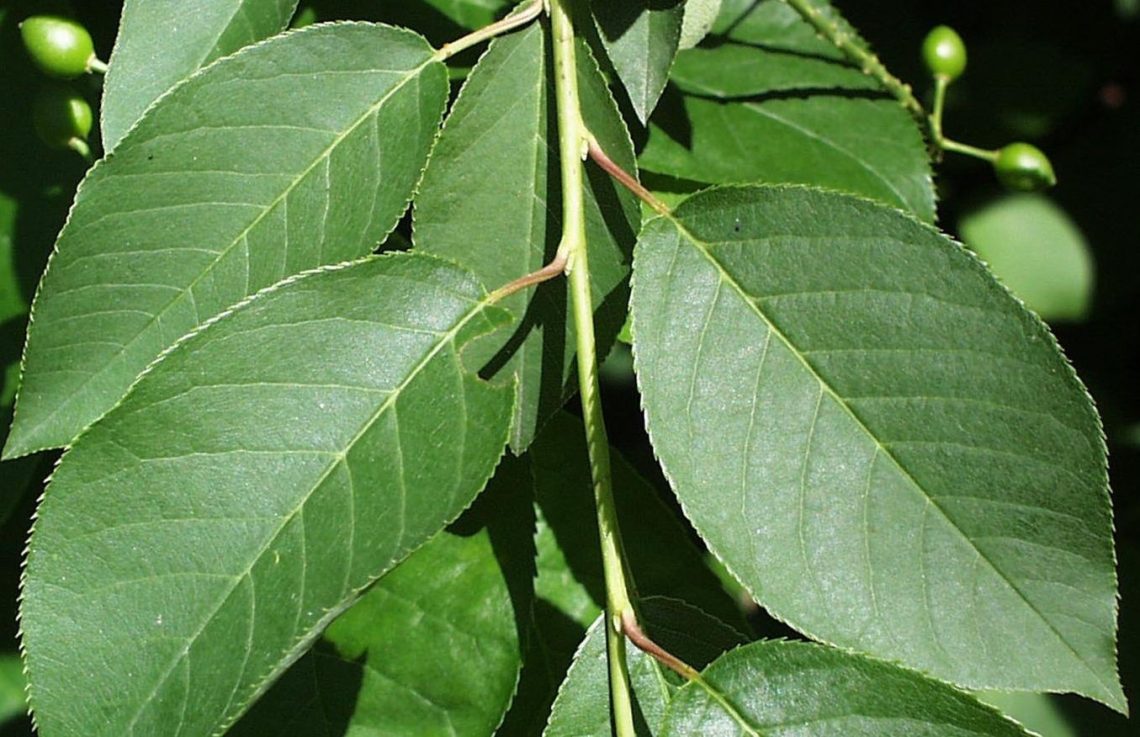
The increase in uric acid levels in the blood is a common issue in modern society, related to diet, stress, and metabolic disorders. Among the plants that have attracted researchers’ attention for their potential to regulate these values is the cherry leaf (Prunus avium).
How Cherry Leaves Work
Cherry leaves have a rich composition of flavonoids, tannins, salicylic acid, and potassium salts, which contribute to stimulating diuresis and eliminating excess uric acid through urine. They also have an anti-inflammatory effect, reducing pain and inflammation in the joints, common symptoms in cases of gout and hyperuricemia.
Through their natural diuretic effect, the plant supports the kidneys in the process of filtering waste substances, promoting metabolic balance.
What Studies Say
A study published in Journal of Ethnopharmacology (2020) showed that extracts from cherry leaves have a significant activity in reducing uric acid levels in laboratory rats with induced hyperuricemia. Researchers also observed a reduction in inflammation at the joint level.
A study conducted in 2021 at Ankara University indicated that administering an infusion of cherry leaves to patients with gout led to a moderate but statistically significant decrease in uric acid levels after 4 weeks.
Other phytotherapeutic studies support that the presence of anthocyanins and caffeic acid in cherry leaves contributes to reducing oxidative stress, a factor associated with worsening gout and inflammatory diseases.
How to Use Cherry Leaves
1. Simple Infusion
- 1 tablespoon of dried and crushed cherry leaves
- 250 ml boiling water
Steep for 10-15 minutes, strain, and drink 2-3 cups a day between meals.
2. Combined Decoction for Gout and Kidneys
- 1 tablespoon cherry leaves
- 1 tablespoon cherry stems
- 1 tablespoon birch leaves
- 500 ml water
Boil everything for 5 minutes, let steep for 15 minutes, and strain. Consume in two doses, morning and evening.
3. Anti-inflammatory Foot Bath
- 3 tablespoons cherry leaves
- 1 liter of water
Boil for 10 minutes, strain, and add to a basin with warm water. Soak your feet for 15-20 minutes.
Contraindications
- Not recommended for individuals with severe hypotension due to the diuretic effect.
- Pregnant or breastfeeding women should consult a doctor before use.
- May interact with diuretic medications or uric acid-lowering medications; medical supervision is necessary.
Sources:
- Journal of Ethnopharmacology Evaluation of Prunus avium leaf extract in experimental hyperuricemia models
- Ankara University Clinical observations on Prunus avium infusions in patients with hyperuricemia
- Phytotherapy Research The effects of cherry leaf flavonoids on oxidative stress and uric acid regulation




