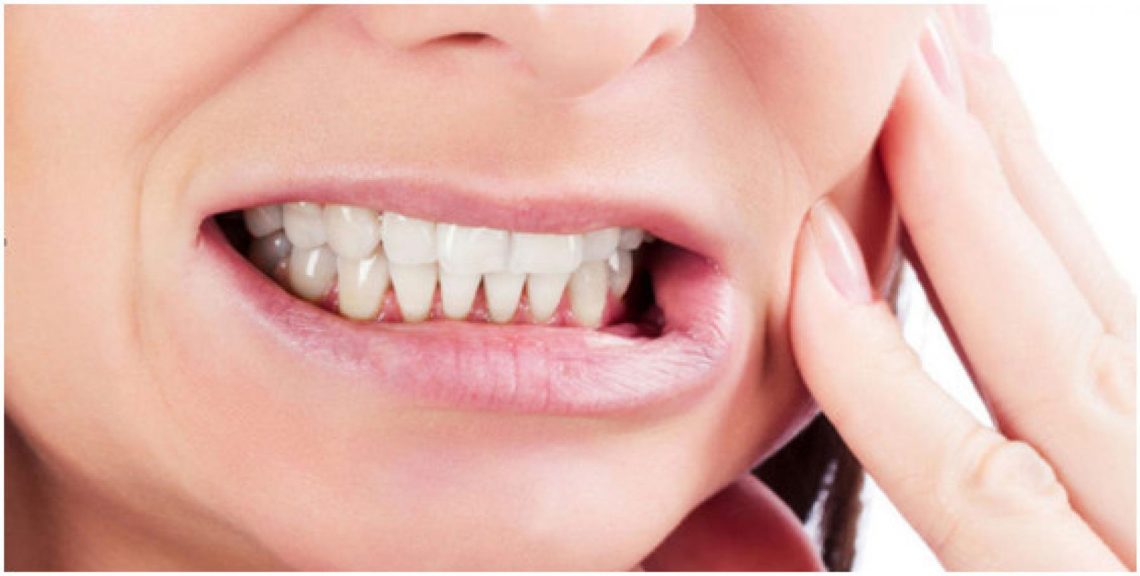
Almost 1 in 3 people suffer from teeth grinding or bruxism, and nearly 10% of those affected experience it so severely that their teeth are worn down. This condition affects individuals of all ages, from children to the elderly, causing serious damage to teeth, jaw disorders, and headaches.
While teeth grinding can occur at any time of the day, most people do it at night. Many are unaware of this unless their sleeping partner or dentist mentions it. This is why it can take months or even years for a diagnosis, during which significant damage may already occur.
There are two types of bruxism: one that occurs during the day while awake, and the other during sleep. Daytime teeth grinding often happens when you are under stress, facing anxiety, or it may simply be a bad habit.
Sleep bruxism, on the other hand, is considered a sleep-related movement disorder, classified similarly to restless legs syndrome and periodic limb movements. Individuals with one or more of these sleep-related movement disorders also tend to suffer from sleep apnea and snoring.
While common in adults, this condition must be taken very seriously in children and adolescents. Some researchers estimate that up to 20-30% of children grind their teeth at night. Often, this can be an early sign that their upper teeth are not properly aligned with their lower teeth.
Excessive teeth grinding may first be noticed by the dentist due to damage to the teeth and gums. Whether you grind your teeth at night or during the day, you may not be aware of your actions until complications arise.
Signs and symptoms of teeth grinding include:
– waking your sleeping partner due to loud noises
– chipped, flat, worn teeth
– teeth becoming sensitive to hot, cold, and sweets
– pain in the face or jaw
– tired or tight facial muscles
– ear pain
– dull headache, especially in the temples
– painful spots in the mouth from cheek biting
In children, this condition is linked to bronchial asthma, upper respiratory infections, and anxiety disorders.
Researchers have also found a direct relationship between the presence of an anxiety disorder and the onset of bruxism. Children diagnosed with an anxiety disorder should have regular dental check-ups to prevent long-term damage to tooth enamel.
Stress management
To stop teeth grinding when suffering from stress or anxiety, you need to learn to manage and release stress. Both children and adults can benefit from popular techniques such as regular exercise, meditation, yoga, and essential oils. Of course, a healthy, balanced diet is important.
Avoid unhealthy habits during the day
Do not chew on pens, pencils, or any other non-food items, and reduce gum chewing if you know you suffer from this condition. Such habits will allow the jaw muscles to become even more accustomed to grinding. If you notice that you grind your teeth during the day, impose a habit of stopping. A good method is to position the tip of your tongue between your jaws; this way, you can train your jaw muscles to relax.
Bruxism mouthguards or night guards
They help reduce muscle activity in the jaw during the night. However, they only play a role in alleviating the symptoms of the condition, not in treating it.
A night guard is a plastic device that covers the teeth of one or both arches to protect them during the night. To some extent, it resembles a sports mouthguard.
Vitamin C
As a complement to stress management techniques and cognitive behavioral therapy, increasing vitamin C intake can be beneficial when learning how to stop bruxism. Vitamin C is used by the adrenal glands, which affect the stress response. It is essential in the production of dopamine, which helps regulate mood. Foods rich in vitamin C include blackcurrants, red peppers, kiwis, bell peppers, oranges, strawberries, papaya, broccoli, and kale.
Magnesium
Some common signs of magnesium deficiency include anxiety, irritability, insomnia, restlessness, and hyperactivity. Adults can take 400 milligrams of high-quality magnesium supplement before bedtime to improve sleep quality. In addition to supplements, it is advisable to consume magnesium-rich foods such as spinach, pumpkin seeds, kefir or yogurt, almonds, black beans, avocados, dark chocolate, and bananas.
B vitamins
Like vitamin C and magnesium, the role of B vitamins in our overall health is well documented. A deficiency in any of the B vitamins can cause psychological stress, depression, and even panic attacks. Vitamin B5 (pantothenic acid) can be particularly helpful when trying to overcome bruxism. Starting with a balanced mood is imperative for achieving the best results.
Valerian root
Used for generations as a natural sedative and anti-anxiety treatment, valerian root has been shown to improve sleep quality without reported side effects. A study conducted by the University of Pennsylvania School of Nursing found that 800 milligrams of valerian over an 8-week period alleviates restless legs syndrome and improves overall quality of life.




