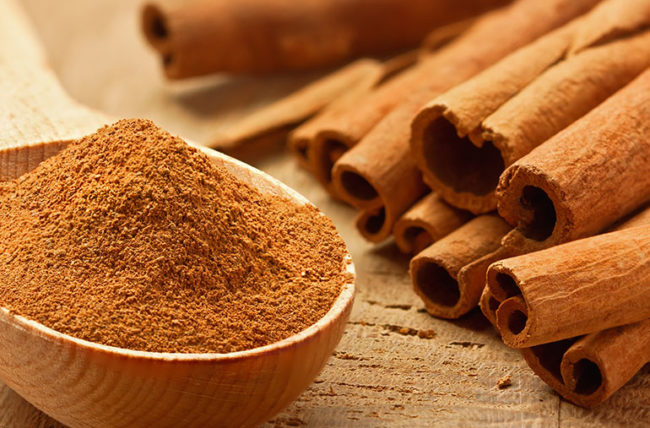
Cinnamon has been used worldwide for thousands of years. It is utilized in many cultures due to its remarkable health benefits, not to mention its delicious taste, making it easy to incorporate into a wide range of recipes.
According to researchers, among all spices, cinnamon ranks first in terms of antioxidant levels. In terms of nutrients, cinnamon contains carbohydrates, proteins, fats, fiber, and vitamins such as A, C, thiamine, niacin, and riboflavin. It is an excellent source of manganese, also containing iron, sodium, potassium, calcium, and phosphorus. Additionally, it has a powerful antioxidant component called glutathione. All these ingredients give cinnamon exceptional therapeutic qualities.
The unique smell, color, and flavor of cinnamon are due to the oily compounds of the tree from which it is derived. The health benefits of cinnamon come from the bark of the Cinnamomum tree.
Cinnamon contains phenolic compounds, flavonoids, and antioxidants. These compounds make it one of the most beneficial spices on earth, providing antioxidant, anti-inflammatory, anti-diabetic, antimicrobial, anticancer, and immune-boosting properties.
Just half a teaspoon of cinnamon consumed daily has positive effects on blood sugar levels, digestion, heart health, immunity, and much more.
Cinnamon is packed with a wide variety of protective antioxidants that reduce the effects of free radicals and slow down the aging process; in fact, researchers have identified up to 41 different protective compounds in cinnamon. These compounds combat oxidative stress in the body, which can lead to the development of various diseases.
The antioxidants in cinnamon have anti-inflammatory effects, which help to reduce the risk of heart disease, cancer, improve brain function, and much more. Researchers have identified over eight types of flavonoid compounds in cinnamon, which are very effective in fighting dangerous inflammation in the body.
Studies have shown that cinnamon reduces risk factors for heart disease. Specific compounds in cinnamon help to lower LDL cholesterol levels, while good cholesterol remains stable.
Cinnamon lowers high blood pressure, which is another threat for the development of heart disease or a stroke.
Research indicates that cinnamon is a blood coagulant, useful in preventing bleeding. It enhances blood circulation and increases the tissues’ ability to repair themselves after being damaged.
Cinnamon has anti-diabetic effects. It helps to lower blood sugar levels and improves insulin sensitivity, the vital hormone necessary for maintaining blood sugar levels.
Due to its antioxidant abilities, cinnamon protects against DNA damage, cell mutation, or the growth of cancerous tumors.
Cinnamon has protective abilities against various bacteria that can cause negative symptoms in the digestive tract or on the skin.
It is so powerful in boosting immunity that some studies have shown it can reduce the risk of contracting the HIV virus.
The extracts found in cinnamon have been shown to be protective against bacteria that thrive in the oral microflora, which could cause bad breath, dental cavities, or infections in the mouth.
Certain studies have concluded that its anti-fungal properties can be effective in stopping or healing Candida. Cinnamon helps to combat candidiasis naturally by boosting immune health and fighting inflammation.
Cinnamon has antibiotic and antibacterial effects, which protect the skin from irritations, rashes, allergic reactions, or infections.
One of the lesser-known benefits is that it can be used for food preservation.




