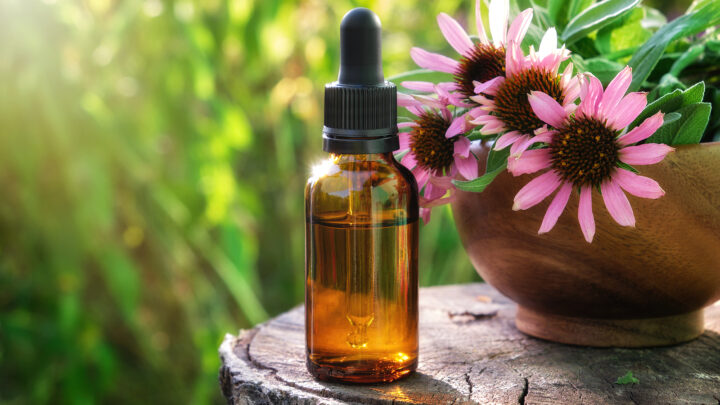
Echinacea tincture is a concentrated extract obtained from the Echinacea purpurea plant or other related species from the Asteraceae family. This tincture is traditionally used in alternative medicine to support the immune system and to treat and prevent various ailments.
Here are some of the benefits of echinacea tincture, according to traditional claims and some preliminary studies:
1. Immune System Stimulation:
Echinacea is known for its potential to enhance the body’s immune response. It is believed that the active compounds in the plant can activate immune cells, such as lymphocytes and macrophages, which fight infections.
2. Treatment of Colds and Respiratory Infections:
Some people use echinacea tincture to reduce the symptoms and duration of common colds, such as cough, sore throat, and nasal congestion. However, study results are mixed, and more research is needed to confirm these effects.
3. Anti-inflammatory Properties:
Echinacea contains compounds with potential anti-inflammatory properties, such as polysaccharides and flavonoids. These substances may help reduce inflammation in the body and can be beneficial in some inflammatory conditions.
4. Skin Health Support:
Echinacea is often used topically to treat various skin conditions, such as burns, wounds, and eczema. Its compounds may help soothe inflammation and accelerate healing.
5. Prevention and Treatment of Urinary Tract Infections:
Some studies suggest that echinacea may help reduce the risk of recurrent urinary tract infections (UTIs) and may have antimicrobial effects against the bacteria involved in these infections. However, results are mixed, and more research is needed.
6. Reduction of Flu Symptoms:
Some research suggests that echinacea may help alleviate flu symptoms, such as fever, cough, and nasal congestion.
7. Support for Respiratory System Health:
Echinacea may have a beneficial effect on respiratory system health by reducing inflammation and supporting the health of the respiratory mucosa. Thus, it may be useful in cases of chronic respiratory conditions, such as asthma and chronic bronchitis.
8. Antioxidant Properties:
Echinacea contains antioxidant compounds that help neutralize free radicals and reduce oxidative stress in the body. This can contribute to cell protection and promote overall health.
9. Support for Digestive System Health:
Some individuals use echinacea tincture to treat digestive issues, such as fungal infections, diarrhea, and ulcers. However, research in this area is limited, and more studies are needed to confirm these effects.
It is important to emphasize that many of the benefits attributed to echinacea are based on anecdotal evidence or preliminary studies, and the results of scientific studies are often mixed or insufficient to draw solid conclusions. Therefore, it is recommended to consult a health professional for personalized information and recommendations.
How to Prepare Echinacea Tincture?
To prepare echinacea tincture at home, you will need the following ingredients and equipment:
Dried echinacea (roots, leaves, or flowers)
High-purity alcohol, such as ethyl alcohol or vodka (with a concentration of about 40-50%)
A glass jar with a tight lid
Preparation method for echinacea tincture:
Measure the desired amount of dried echinacea. The recommended amount is usually 25-50 grams of dried plant for every 250 ml of alcohol.
Grind the dried plant into smaller pieces. This will help release the active substances during the extraction process.
Place the ground plant in the glass jar.
Pour the high-purity alcohol over the plant in the jar, ensuring it is completely covered. Make sure the alcohol is food-grade and has the appropriate concentration.
Seal the jar tightly with the lid to prevent evaporation or leakage of the liquid.
Leave the jar in a dark and cool place to allow the maceration process to take place. The recommended time varies, but generally, it is left for 4-6 weeks, shaking it gently once a day to ensure adequate extraction.
After the maceration period, strain the tincture through a filter or cheesecloth to remove the plant residues and obtain a clear liquid.
Transfer the obtained tincture into an airtight container, such as a bottle with a tight lid, and label it accordingly with the name of the plant and the preparation date.
Echinacea tincture can be consumed regularly by diluting it in a small amount of water or juice. Since the tincture is concentrated, it is important to adhere to the recommended dosage and follow the usage instructions. It is always recommended to consult a health professional for precise instructions tailored to your needs.
In general, the usual dose of echinacea tincture can vary around 2-4 ml, usually diluted in 30-60 ml of liquid (water or juice), 2-3 times a day.
It is essential to respect the recommended dosage and not exceed the maximum indicated dose to avoid unwanted side effects or adverse reactions. Additionally, it is important to note that echinacea tincture should not be used long-term, typically for periods longer than a few weeks or months.
Although echinacea is generally considered safe for most people, it is advisable to discuss with your doctor before starting its use, especially if you have certain pre-existing medical conditions, are taking other medications, or are pregnant or breastfeeding.




