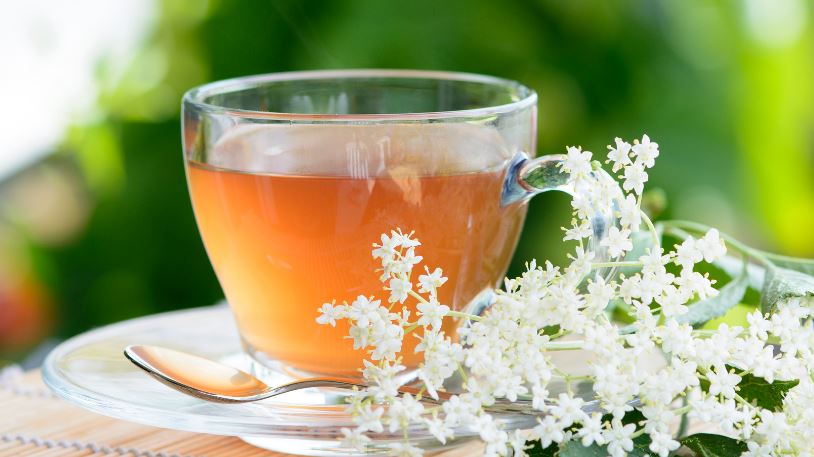
Elderflowers have a long history of use in traditional medicine around the world. They possess antioxidant, antiseptic, anti-inflammatory, and antiviral properties, which is why they are still commonly used to fight colds and flu. Consuming elderflower tea increases the milk supply in breastfeeding women without presenting side effects.
Elderflower tea contains sambunigrin, potassium nitrate, carotene, malic acid, citric acid, and tannic acid. The flowers also contain pectins, glycosides, tannins, mineral salts, saponins, essential oils, and vitamin C, while elderberries contain tannins and anthocyanins such as sambucianin, chrysanthemin, as well as other cyanidins or glycosides. Elderflowers and leaves are rich in rutin, hyperoside, and isorhamnetin.
They are rich in antioxidants, such as vitamin C, which is important for the health of the skin, blood vessels, tendons, and ligaments. They contain a flavonoid called quercetin, a powerful antioxidant. The high antioxidant content makes this tea beneficial for protecting the body from oxidative stress, which can lead to common chronic diseases, including heart disease, cancer, and diabetes.
The most common uses of elderflower tea are for colds and flu, sinus infections, and other respiratory disorders. A study published in an online pharmacology and pharmacokinetics journal found that elder extract is very effective in treating flu symptoms. Elder helps treat bacterial sinusitis, a condition commonly known as sinus infection. Elder and other plants combined with decongestants help clear infections faster than simple medicinal treatments.
Elderflower tea is recognized for its detoxifying and weight loss properties, having a diuretic effect, it is recommended in weight loss diets. Elderflowers have anti-inflammatory and laxative effects.
Elderflower tea is recommended for obesity and menopause. It causes abundant sweating, helping to lower body temperature.
Due to the diuresis it produces, it is recommended for rheumatism, kidney, and bladder diseases. With laxative properties and helping to eliminate water from tissues, it is used as a natural remedy in treating obesity. For the same reasons, it is also recommended for nervous constipation.
In the form of a weak alcoholic extract, elderflowers have antineuralgic properties.
Typically, it helps reduce pain and inflammation in joints caused by arthritis.
Elderflower tea lowers blood sugar levels, very similarly to how insulin works. Studies have shown that elderflower tea reduced total cholesterol and triglyceride levels in adults after two weeks of daily doses.
In the form of baths or poultices, elderflower tea is indicated for furunculosis, abscesses, burns, and blisters, having the property to liquefy pus, soothe pain, and reduce swelling. In the form of hot baths, it is used against rheumatism.
Attention! Excessive consumption of elderflower tea can cause gastrointestinal disturbances, such as nausea and diarrhea. Considering that it can lower blood sugar levels, its use should be closely monitored by diabetics. The tincture made from elderberries should not be administered undiluted; it must always be diluted with water. This preparation is contraindicated in acute or chronic diarrhea and fermentation colitis.




