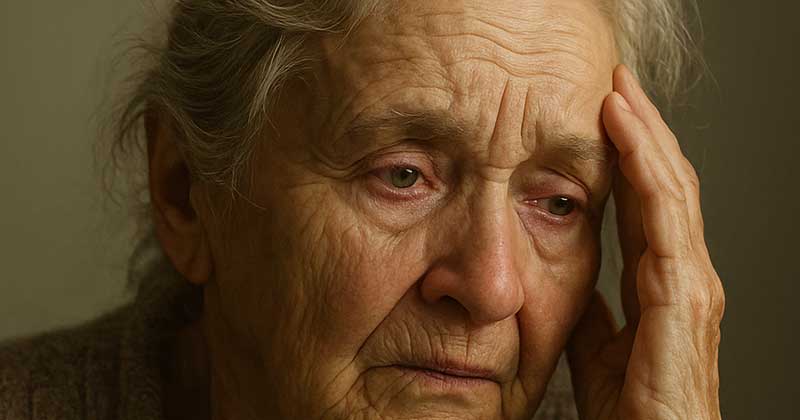
As people age, many believe that moving in with their children is the most natural and logical thing to do. After all, it promises companionship, safety, love, and support from family. However, what seems like a caring solution can sometimes turn into an emotional trap that robs individuals of their identity and independence, especially for those who have dedicated their lives to their loved ones.
The case of Geralda María Santos, a 63-year-old widow who sold her house and moved in with her daughter in another city, is a clear example. What initially seemed like a new chapter filled with love gradually transformed into a loss of freedom, self-esteem, and purpose in life.
Affectation that Hides a Trap
At first, everything seems perfect — you are surrounded by your child’s love, the laughter of grandchildren, and warm words. But over time, many women like Geralda discover that their role changes: from welcomed guests, they become permanent caregivers, unpaid helpers, or substitutes for nannies or cooks.
What starts as favors turns into obligations. The bedroom, which should be a space for rest, becomes a place where you must “behave” so as not to disturb. And when complaints arise, they are silenced with remarks like “but you have food and family here,” which ignore the pain of losing the freedom to organize your own day.
The Gradual Loss of One’s Identity
Eventually, the identity of these women is reduced to “the grandmother who helps” or “the mother who takes care of the children,” erasing their personal history, talents, and achievements. This constant helper role undermines their self-esteem and can profoundly affect their emotional balance.
In many families, this dynamic becomes so common that it is no longer noticed. The elderly person stops living for themselves and ends up living only for others.
The Courage to Reclaim Your Life
For Geralda, everything changed after a simple phone call from a former colleague, who reminded her of her worth, what she had achieved, and how much she mattered to others. That moment reignited her desire to live with dignity.
She rented a small apartment, regaining her own space, peace, kitchen, and routine. She returned to teaching, started going for walks again, reconnected with friends, and traveled. She felt alive again.
When Dignity Returns, Everything Changes
Living alone did not sever her ties with family — on the contrary, visits became warmer, phone calls more frequent, and her daughter even came to appreciate her mother’s choice, understanding that it was better for everyone.
True love should not require constant sacrifice. Sometimes, a healthy distance can strengthen bonds.
Advice for Women Over 60:
1. Do not make important decisions out of fear or loneliness.
Think carefully about whether living with your children is truly what you want or just seems like the only option. Honor your desires for freedom.
2. Maintain a space that belongs to you.
Even a small living space can be invaluable for maintaining emotional and physical independence.
3. Stay active and connected.
Avoid isolation. Participate in workshops, social clubs, senior centers, or volunteer activities. Surround yourself with people who appreciate you for who you truly are.
4. Be clear and honest with your family.
If you do move in with them, set your boundaries, routine, and how much you are willing to help. Do not let favors become obligations.
5. Do not forget that your identity matters, regardless of age.
You still have the right to make decisions, to be heard, to enjoy life, and to rewrite your story.
Geralda’s experience proves that age is never an obstacle for a new beginning. Family and love are important, but they should never come at the cost of self-respect. Living with dignity, independence, and purpose is not a luxury — it is a right. There is always time to reclaim your voice, space, and life.
This work is inspired by real events and people, but has been fictionalized for creative purposes. Names, characters, and details have been changed to protect privacy and enhance the narrative. Any resemblance to real persons, living or dead, or actual events is purely coincidental and not intended by the author.
The author and publisher do not assume responsibility for the accuracy of events or how characters are portrayed and are not liable for any misinterpretations. This story is provided “as is,” and any opinions expressed belong to the characters and do not reflect the views of the author or publisher.


