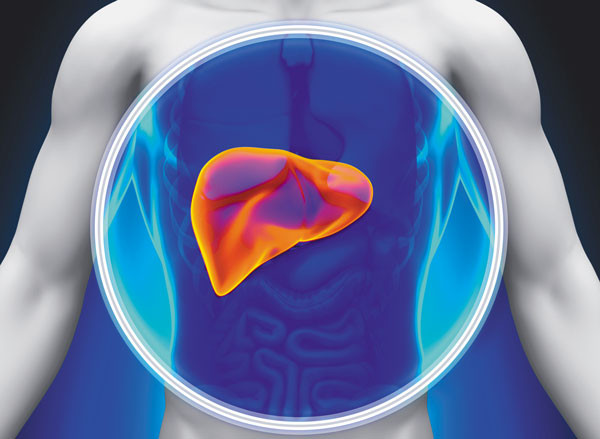
Fatty liver remedy. Researchers have discovered that a natural compound found in certain vegetables can treat and prevent hepatic steatosis, commonly known as fatty liver.
Non-alcoholic fatty liver disease is characterized by the accumulation of fat in the liver and is a diagnosis received by an increasing number of individuals. The prevalence of this condition, which leads to chronic liver diseases, is 25%.
Excellent Remedy for Fatty Liver
The good news is that fatty liver disease can be significantly improved through diet and the consumption of certain vegetables, which researchers have found to contain an extremely beneficial substance in preventing and treating the disease. This substance is indole, which is naturally found in cruciferous vegetables such as cabbage, broccoli, and Brussels sprouts.
The study was conducted by specialists from Texas A&M University in collaboration with other institutions and published in the medical journal Hepatology.
Foods that have a natural capacity to produce indole or medications that mimic this effect could be used as new treatments for fatty liver disease, explained Dr. Chaodong Wu, one of the specialists who conducted the study. According to the doctor, the compound plays an important role in preventing liver degradation as it prevents both fat accumulation in the liver and the onset of inflammation.
Diet for Fatty Liver
The recommended diet for patients with hepatic steatosis is rich in monounsaturated fats, similar to the Mediterranean diet.
The diet should be low in saturated fats (of animal origin) and high in unsaturated fats (of plant origin), avoiding processed foods and carbohydrates with a high glycemic index. The Mediterranean diet adheres to these principles and ensures significantly greater longevity for those who adopt it.
It is recommended to consume fresh fruits and vegetables that lower serum fat levels.
Whole grains with a low glycemic index are preferred as a source of carbohydrates, increasing fiber intake.
For protein sources, fish and chicken are preferred, along with cheeses containing less than 30% fat and legumes (beans, peas).
Olive oil is preferred over other fat sources, as well as fish oil, which lowers triglycerides and contains Omega 3.
The consumption of raw nuts and seeds (almonds, pistachios, pumpkin seeds, cashews) a few times a week is recommended.
Analyzing the food pyramid specific to the Mediterranean diet, it is observed that its foods are healthy and focus on:
Daily consumption of foods such as: vegetables, fruits, whole grain products (whole wheat flour), olive oil, beans, nuts, legumes and seeds, herbs, and spices.
Weekly consumption of: chicken, eggs, cheese, yogurt, fish, and seafood.
Monthly consumption of: red meat (beef, pork, game, lamb) and sweets.
Fatty Liver: Foods to Avoid
In the Mediterranean diet adopted by patients with hepatic steatosis, it is recommended to avoid the following unhealthy foods and ingredients:
Sugars: juices, sweets, candies, ice cream, and any other food that contains sugar or other artificial sweeteners.
Refined grains: white bread, pasta.
Trans fats: found in margarine and a range of processed foods.
Refined oils: canola oil, soybean oil.
Processed meats: cold cuts, sausages.




