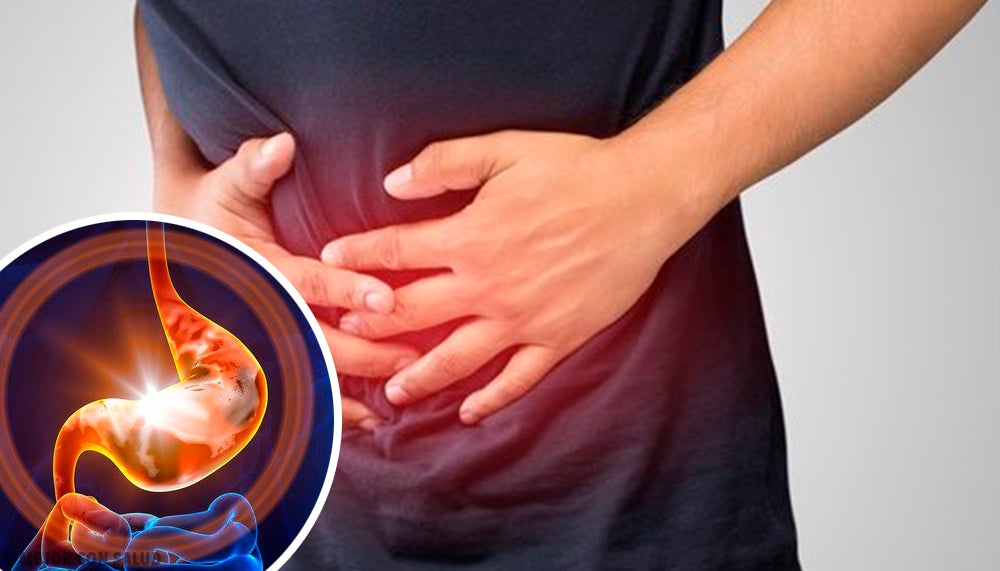
What is gastritis?
Gastritis is an uncomfortable digestive condition caused by inflammation of the stomach and erosion of the stomach lining (known as gastric mucosa). Some people use the terms indigestion and gastritis interchangeably, as both cause similar symptoms. However, while it is normal to experience occasional indigestion or an upset stomach, a diagnosis of gastritis is made when tests show that someone has marked inflammation of the stomach or persistent symptoms of gastritis.
It is common for patients with gastritis to suffer from frequent episodes of stomach pain, bloating, burning sensations, and other discomforts. People may experience symptoms of gastritis both in the short term (acute gastritis) and over many years (chronic gastritis).
The underlying reason for the development of gastritis is due to a weakened lining of the digestive tract, especially the mucus barrier, which normally prevents acids and digestive juices from damaging the stomach. Lifestyle factors, including smoking, a poor diet, and frequent use of over-the-counter pain relievers, contribute to stomach inflammation and increase the risk of developing gastritis.
If you are middle-aged or older, overweight or obese, experiencing chronic stress, and frequently consuming processed foods, you are at the highest risk of suffering from gastritis. Studies suggest that adults over the age of 60 tend to experience gradual erosion of the stomach lining, higher rates of infections or autoimmune disorders, and nutrient deficiencies that can exacerbate gastritis symptoms. What can you do to help manage your symptoms? Dietary changes, including reducing alcohol consumption and eating more fresh produce, along with quitting smoking and exercising, can help protect you from gastritis.
Symptoms of gastritis
The most common symptoms of gastritis include:
– burning sensation in or above the stomach/abdomen, especially during meals
– stomach pain
– nausea or vomiting
– stomach bloating
– loss of appetite, feeling full quickly, and possible weight changes
– hiccups and belching
– changes in bowel movements and stool appearance (may be darker than usual and have a tarry or bloody color)
How long can you expect gastritis symptoms to last?
Gastritis affects everyone differently, with cases ranging from mild and acute to chronic and severe. Some people do not experience any symptoms of gastritis, but a physical exam and tests (such as an endoscopy, stool test, or blood test) may reveal that they are indeed facing erosion of the stomach lining and decreased immune function.
Gastroenterologists typically diagnose gastritis after performing an endoscopy and observing signs of inflammation, including an increase in white blood cells called leukocytes, redness, swelling, bleeding, or small openings in the surface mucosa.
Keep in mind that the symptoms of gastritis mentioned above usually last for several weeks, but if they persist longer or cause more severe symptoms, such as excessive blood in the stool, gastritis may not be the cause. Certain symptoms of indigestion may be caused by reactions to medications, over-the-counter pain relievers, food allergies/intolerances, or other underlying health conditions, so if you have ongoing symptoms without relief, do not assume that gastritis is necessarily to blame and consult a doctor.
Natural treatment for gastritis, plus an overview of the gastritis diet
If you suspect that your stomach pain may be caused by gastritis, talk to your doctor so that tests can be done and an appropriate diagnosis can be made. The good news is that once people know that acute gastritis is responsible for their symptoms, there is a good chance they will feel better fairly quickly after making some changes. Chronic gastritis can also be treated and managed, but it usually requires the use of medications.
Your doctor may choose to treat your gastritis symptoms by modifying your diet, changing the medications you take (or adjusting dosages), discussing stress management, and possibly prescribing medications to control an infection caused by H. pylori. Some people also choose to take over-the-counter medications, such as antacids, to manage severe symptoms, while others are prescribed proton pump inhibitors or H2 blockers to help control stomach acid levels. In cases where chronic gastritis causes anemia, it is common for vitamin B12 deficiency to be treated with intermittent injections.
Here are some ways you can naturally help reduce gastritis symptoms and prevent their recurrence:
1. Eliminate irritating foods from your diet
The most important step in treating gastritis is to eliminate what irritates the stomach lining, first and foremost. Many people with gastritis experience aggravated symptoms when they eat a lot of packaged/processed foods, fried foods, or hot and spicy foods. A poor diet is also a risk factor for gastritis, as it promotes inflammation in the digestive tract, can increase the risk of leaky gut syndrome or food sensitivities, and can contribute to nutrient deficiencies that exacerbate gastritis symptoms.
Tips to help you manage gastritis through diet include:
– Consume very few or no processed, packaged foods rich in synthetic ingredients and chemicals.
– Replace processed foods with fresher options (especially organic vegetables and fruits).
– Avoid sugary drinks and drink eight glasses or more of water per day.
– Instead of eating just one or two large meals a day, spread meals into smaller portions but eat them more frequently (such as every two to four hours). Do not skip breakfast and try to finish your last meal more than three hours before going to bed.
– Monitor your symptoms to better understand how you react to common foods, including alcohol, caffeine, sodas, tea, citrus fruits, dairy, mint, and black/red pepper. Eliminating alcohol can help reduce symptoms, as alcohol can irritate the stomach lining and make contact with digestive juices more painful.
2. Consume more beneficial nutrients
Gastritis can cause symptoms such as anemia, bloating, vomiting, deficiencies, and dehydration, so it is important to prevent complications by consuming a nutrient-dense and minimally processed diet. Research shows that being overweight or obese can increase the risk of gastritis, gastric ulcers, and other digestive issues.
A healing diet for gastritis, which mainly includes vegetables, fruits, high-quality proteins, and healthy fats, can help manage inflammation, allow you to maintain a healthy weight, and prevent deficiencies in essential vitamins, minerals, and antioxidants.
Research indicates that foods that can help manage gastritis symptoms include those rich in antioxidants (especially those with flavonoids, such as berries), onions, garlic, zucchini, bell peppers, nuts, legumes/soaked beans, whole grains, seafood, and naturally raised or pasture-raised meats. Supplements such as omega-3 fatty acids, probiotics, and vitamin C may also be beneficial for those suffering from gastritis.
3. Eliminate or reduce the use of over-the-counter medications
According to the University of Maryland Medical Center, up to 20% of people who frequently use nonsteroidal anti-inflammatory drugs (NSAIDs) develop gastric problems due to changes in stomach acid. Frequent use of common pain-relieving medications, including aspirin, ibuprofen (Advil, Motrin IB, others), and naproxen (Aleve, Anaprox), can contribute to the development of gastritis, as they alter how your body produces a type of enzyme that normally helps build the stomach lining. Try to reduce the use of over-the-counter medications as much as possible to manage pain and instead turn to natural treatments whenever possible.
For example, if you have chronic muscle or joint pain, consider using anti-inflammatory essential oils, such as peppermint oil. For headaches and premenstrual symptoms, work on reducing stress (for example, through guided meditation or exercise) and try to consume foods rich in magnesium.
4. Reduce inflammation through exercise and stress management
Both a sedentary lifestyle and high levels of stress can increase inflammation, which harms the digestive organs. Doctors recommend that individuals prone to gastritis symptoms and other digestive issues engage in regular exercise for at least 30 minutes a day, five days a week. Exercise is an excellent way to boost immune functions, help you maintain a healthy body weight, balance hormones, and manage stress.
Stress can increase stomach acid production, making gastritis symptoms more painful. It has been observed that individuals with anxiety and high levels of stress have weaker immune function, higher than normal rates of H. pylori infections, and gastric inflammation/ulcers. There is evidence that natural stress relief practices, including deep breathing, yoga, tai chi, acupuncture, and meditation, can be helpful in managing digestive issues, including gastritis.




