If you were to ask a nutritionist: How can I reduce my body heat? they would likely recommend adding more cooling foods and herbs to your diet. What are these foods and how do they work?
A variety of fruits, vegetables, herbs, and other foods that you probably already include in your diet can have a cooling effect, such as mint, watermelon, and yogurt.
Practitioners of Ayurvedic medicine and traditional Chinese medicine believe that foods with sweet, bitter, and/or astringent tastes have cooling effects.
What are cooling foods?
Cooling foods are those believed to lower body temperature and help you cope with stress factors.
They do this by promoting hydration, supporting digestive processes, and also encouraging sweating in some cases. Some foods can help regulate blood sugar and blood pressure due to their beneficial electrolyte content.
Heating foods and meals do the opposite of cooling foods, especially those that are heavy and rich in fats, proteins, and carbohydrates.
While not all heating foods are unhealthy—some, like grains and meat, are beneficial—when consumed in large quantities, they can put pressure on the digestive system to break down a complex mix of nutrients. This requires a lot of energy, as it forces the body to produce enzymes and gastric juices that generate heat.
A diet with cooling foods is recommended for individuals showing signs of internal heat. This can include physical and emotional symptoms such as:
– Inflammation and pain
– Redness, swelling, and pulsations
– Poor digestion, including acid reflux and stomach bloating
– Irritability, agitation
– Aggressiveness and anger
– Anxiety
– Impulsivity and recklessness
According to Ayurvedic principles, hot and cold foods are based on the internal nature of a food and how foods affect the three doshas or body types: vata, pitta, and kapha. Those with a Pitta dosha have the greatest need for cooling foods, while those with a Vata dosha tend to do better with warmer foods.
Another point to clarify is the effect that foods with different temperatures have on the body. The temperature of a particular food is not what makes it hot or cold. It has more to do with how foods affect a person’s digestive system and metabolism.
Top 22 Cooling Foods and Herbs (plus benefits)
What foods cool the body? Below are some of the best foods and herbs that cool the body:
1. Water-rich vegetables such as cucumbers, celery, tomatoes, asparagus, various greens, zucchini, and radishes
2. Berries, cherries, and other fruits
3. Tropical fruits such as papaya, pineapple, and mango
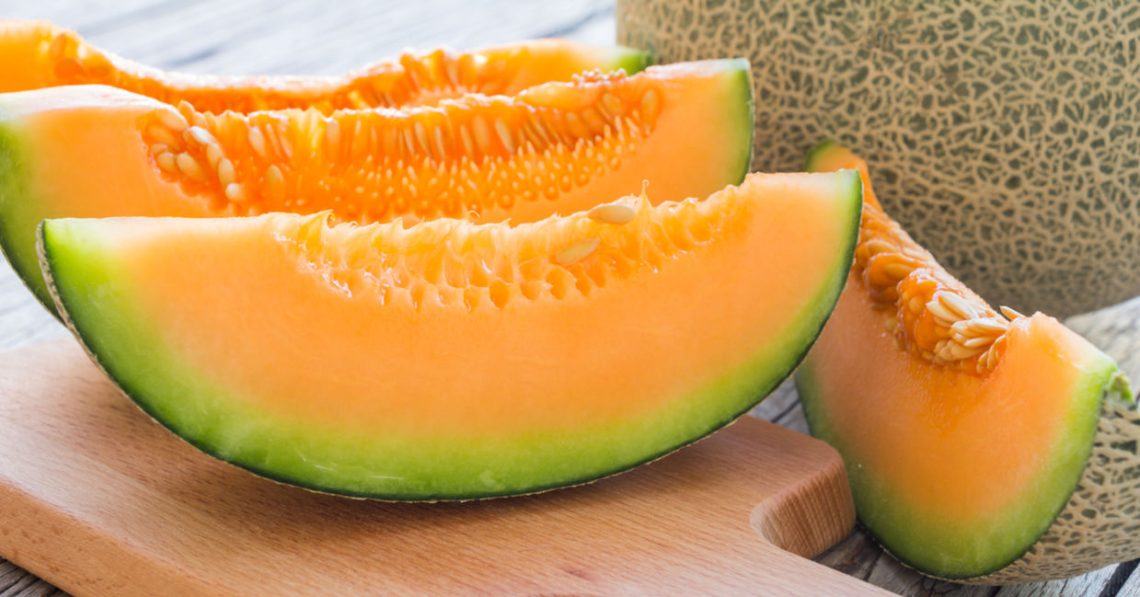
4. All types of melons
5. Other water-rich fruits such as grapes and kiwi
6. Tofu and soy products
7. Coconut water and coconut milk
8. Goat milk and goat cheese
9. Kefir and yogurt
10. Grains including rice, quinoa, spelt, barley, and oats
11. Almonds
12. Raw honey
13. Coriander
14. Mint
15. Basil
16. Rosemary
17. Lavender
18. Lemongrass
19. Mullein
20. Aloe
21. Cayenne pepper and other spicy foods
22. Green tea
Benefits:
Since there are many different types of cooling foods, each offers unique benefits. For example, mint (peppermint and spearmint) is among the most popular cooling herbs due to the presence of menthol, which has a natural cooling effect. Fresh mint, in herbal tea, and in oil form is particularly useful for supporting digestion and reducing stomach pain and inflammation.
Many herbs, fruits, and water-rich vegetables contain compounds that have natural anti-inflammatory effects and, in some cases, antimicrobial and soothing properties.
What foods are the most cooling for the stomach?
Some of the best options for stomach pain, acid reflux, and indigestion include:
– Tropical fruits like pineapple (which contains the enzyme bromelain, known for combating inflammation)
– Greens
– Pumpkin and zucchini
– Coconut juice
– Kefir
– Raw honey
– Anti-inflammatory herbs like mullein and mint
You might expect spicy or hot foods to increase heat, but this doesn’t always happen.
Consuming spicy foods, such as cayenne and other peppers, can trigger a nerve receptor in the tongue that detects heat and then causes the body to initiate cooling mechanisms, such as sweating. So, while the spice feels hot in the mouth, it can lead the body to cool down.
If you think about it, it makes sense that spicy and pungent foods (like various peppers and other spices) are popular in warm climate countries like Mexico, Brazil, and parts of China and India.
Risks and Side Effects
While cooling foods and herbs are generally safe to consume, certain types may interact with some medications. If you are currently taking daily medications to manage a condition such as heart disease or diabetes, or if you are pregnant or breastfeeding, it is best to consult your doctor before changing your diet or starting any herbal supplement.




