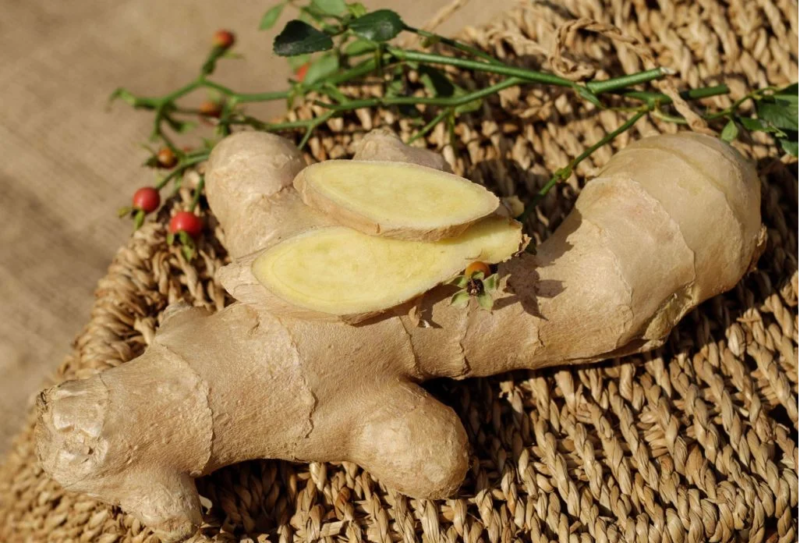
Ginger is an aromatic plant used in traditional medicine as well as in cooking, known for its properties and its intense, spicy flavor.
Originating from Southeast Asia, ginger has been used for thousands of years both as a natural remedy and as a culinary ingredient.
Ginger is more than just a simple spice; it is a natural remedy with impressive health benefits and a versatile ingredient in the kitchen. From improving digestion and circulation to boosting immunity and combating inflammation, ginger is a plant that deserves a place in your daily diet. With a history of thousands of years of use around the world, ginger remains one of the most valued ingredients for health and well-being.
Ginger Benefits
Anti-inflammatory and Antioxidant Properties: Ginger contains gingerol, an active compound with strong anti-inflammatory properties that helps reduce inflammation in the body and combat free radicals. Because of this, ginger can alleviate pain and inflammation associated with conditions such as arthritis or muscle aches.
Improving Digestion: One of the oldest remedies for digestive issues, ginger is known for its ability to stimulate digestion, soothe nausea, and reduce bloating. It is effective in preventing and alleviating motion sickness and morning sickness during pregnancy.
Boosting the Immune System: Due to its antimicrobial and anti-inflammatory properties, ginger helps strengthen the immune system, protecting the body against infections and seasonal colds. Ginger tea is often used to relieve cold and flu symptoms.
Blood Sugar Control: Some studies suggest that ginger may help regulate blood sugar levels and improve insulin sensitivity, making it a useful ally for people with type 2 diabetes or at risk of diabetes.
How to Use Ginger in Cooking
In many cultures, ginger is a staple spice used to add flavor to dishes. In Asian cuisine, it is often used in soups, curries, sauces, and marinades. Its intense spicy aroma pairs well with meat, fish, vegetables, and rice.
Ginger is also used in numerous refreshing and warm beverages. Ginger tea is a popular drink for soothing the stomach and improving digestion. Additionally, ginger is a key ingredient in some fermented drinks like ginger ale or ginger beer.
It may be hard to believe, but ginger adds a unique aromatic note to desserts. It is used in cakes, cookies, gingerbread, and even ice cream. Its warm and spicy flavor blends perfectly with cinnamon, cloves, and honey.
Curiosities About Ginger
Although it is often referred to as ginger root, the edible part of ginger is actually a rhizome, which is an underground stem that grows horizontally. Rhizomes store nutrients and are responsible for the plant’s growth.
Ginger has a history of use spanning over 5,000 years, making it one of the oldest natural remedies in traditional Chinese and Ayurvedic medicine. In ancient times, ginger was a luxury item transported in trade caravans from Asia to Europe.
Due to its antioxidant and anti-inflammatory properties, ginger is an active ingredient in many cosmetic products. It is used to improve skin health, preventing premature aging and giving a healthy, radiant appearance to the skin.
Sailors in the past used ginger to prevent seasickness during long voyages. The effectiveness of ginger in alleviating nausea has been confirmed by modern research.
In some cultures, ginger has historically been used as an aphrodisiac, believed to stimulate blood circulation.
How to Consume Ginger
Ginger Tea: What is it Good For?
Ginger tea is renowned for its numerous health benefits, thanks to the antioxidant, anti-inflammatory, and stimulating properties of this ingredient.
Ginger stimulates digestion and can help alleviate stomach discomfort, such as bloating, indigestion, and gas. It is often consumed after meals to aid digestion.
Ginger tea is effective in reducing nausea, including that caused by motion sickness, pregnancy (morning sickness), or chemotherapy. Its soothing properties can help reduce the feeling of vomiting.
Regular consumption of ginger tea can help reduce menstrual pain due to its anti-inflammatory properties. It is believed to act similarly to natural pain relievers.
Ginger contains active compounds that have an anti-inflammatory effect, making it useful in reducing joint pain and inflammation caused by conditions such as arthritis.
Ginger tea is a traditional drink for combating colds and flu, as it stimulates the immune system. It can help reduce congestion and alleviate sore throat pain.
Regular consumption of ginger tea can stimulate blood circulation, contributing to better oxygenation of tissues and preventing cardiovascular problems.
Some studies have shown that ginger may help regulate blood sugar levels, being beneficial for people with type 2 diabetes.
Ginger tea can aid in weight loss, as it stimulates metabolism and can reduce appetite. Additionally, ginger helps burn fat and improve digestion.
Ginger has calming effects on the nervous system, and tea made from its root can reduce stress and anxiety levels, contributing to an overall sense of well-being.
Ginger has antibacterial and antiviral properties, making it effective in combating respiratory infections, coughs, and colds.
Ginger tea can be consumed both as a preventive measure and to treat certain minor ailments, being a natural, safe, and effective remedy.
Culinary Preparations with Ginger
Tom Yum Soup: A traditional Thai dish, this spicy and sour soup uses ginger (or galangal) to enhance flavor and provide a distinct taste.
Picked Ginger (Gari): In Japanese cuisine, pickled ginger is served alongside sushi to cleanse the palate between dishes. It has a light pink color and a sweet-sour flavor.
Chicken Curry with Ginger: Ginger is a key ingredient in many curry dishes from Indian and Asian cuisine, used to add a spicy and complex flavor.
Gingerbread: A classic dessert that uses ground ginger to give cookies a warm and spicy flavor, combined with cinnamon and cloves.
Ginger and Fruit Smoothie: Fresh ginger is often added to smoothies for a fresh and spicy taste, along with fruits like pineapple, banana, or mango.
Pork Glazed with Ginger and Honey: Fresh ginger is often combined with honey to create a sweet-spicy marinade used for grilling pork or chicken.
Ginger and Soy Sauce for Sushi: Ginger is frequently used in Asian sauces and marinades, especially in combination with soy sauce, garlic, and rice vinegar, to give a complex flavor to raw or cooked fish dishes.
Ginger Beer: A carbonated drink with ginger flavor, often used as an ingredient in cocktails or consumed on its own.
Ginger Ale: A refreshing drink with a milder ginger flavor, less spicy than ginger beer, but ideal for soothing the stomach.
Ginger Syrup: Syrup made from ginger can be used in drinks, desserts, or even as a topping for pancakes or ice cream.
Ginger Candies: There are ginger candies or drops that can be consumed to soothe the throat or provide a pleasant cooling sensation and spicy flavor.




