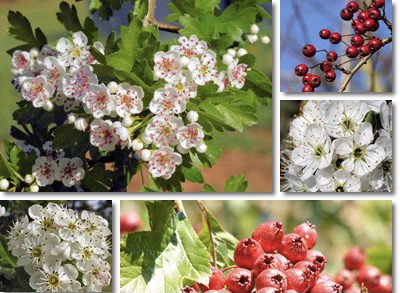
Overview of Hawthorn
Hawthorn (Crataegus sp.) is a thorny shrub from the rose family, with small white, red, and pink flowers that bloom in May. Herbal medicines containing hawthorn leaves and flowers have been used for centuries, typically brewed into a liquid as part of a herbal tea or tincture.
Hawthorn can also be made into a solid form of pills.
Hawthorn berries have a long-standing reputation as one of the most valuable tonic remedies for the cardiovascular system. Dr. David Hoffman suggests that no other plant offers the nourishing regeneration for the cardiovascular system that hawthorn does.
A standardized extract of hawthorn berries has been clinically proven to be both effective and safe in improving the quality of life for patients with heart failure under long-term therapy.
General Information about Hawthorn
Hawthorn has been used as a dietary supplement to treat heart diseases since the 1st century. It has been the subject of hundreds of studies, including new double-blind clinical trials controlled with placebo. Traditionally, hawthorn berries were used to manage heart-related issues such as irregular heartbeats, high blood pressure, chest pain, heart failure, and arterial strengthening.
In the early 1800s, American physicians used hawthorn as a natural herbal remedy to treat circulatory disorders and respiratory diseases. Today, the leaves and flowers of the hawthorn plant are used as a natural medicine.
What is Hawthorn Used For?
Hawthorn contains many elements that can be beneficial for a healthy heart. Its antioxidant flavonoids, including OPCs, may help dilate blood vessels, improve blood circulation, and prevent blood vessel damage. Most modern formulations use hawthorn leaves and flowers, which are believed to contain more flavonoids than the berries.
Uses and Effectiveness of Hawthorn
Studies suggest that hawthorn increases coronary artery blood flow, enhances circulation, and reduces blood pressure. Modern natural medicine uses hawthorn to help protect against heart diseases and to control high blood pressure and cholesterol.
According to the Journal of Natural Medicine, hawthorn appears to mildly increase the strength of heart muscle contractions and lower blood pressure, leading to increased exercise tolerance and protection against congestive heart failure.
Precautions
Hawthorn contains components that can trigger adverse reactions and may interact with other herbs, supplements, or medications. As with any health supplement, consult a physician before use.
Hawthorn is safe for adults and is generally recommended for short-term use. Although rare, hawthorn may cause:
nausea
upset stomach
fatigue
sweating
headache
dizziness
palpitations
nasal congestion
insomnia
agitation
Benefits of Hawthorn
According to a report from Memorial Sloan Kettering Cancer Center, scientists believe that hawthorn helps the heart by causing the dilation of smooth muscle that coats the coronary arteries, increasing blood flow to the heart.
Hawthorn is rich in polyphenols, a powerful antioxidant compound found in plants. Antioxidants help the body neutralize unstable molecules, such as free radicals, which can harm the body. Free radicals can come from a poor diet, cigarette smoke, and environmental toxins, such as air pollution. Polyphenols are associated with many health benefits, including a lower risk of:
cancer
type 2 diabetes
asthma
infections
heart problems
premature skin aging
1. Arrhythmia
Hawthorn has long been used for heart and blood vessel conditions, such as congestive heart failure, chest pain, and irregular heartbeats (arrhythmia).
Although the use of hawthorn for arrhythmia in humans has not been scientifically studied, it has traditionally been used for this purpose. Studies have shown that hawthorn administration may help increase the amount of blood pumped from the heart during contractions, open blood vessels, and improve nerve signal transmission.
2. Hypertension/High Blood Pressure
According to research, several studies conclude that hawthorn can significantly improve heart function and appears to promote blood pressure-lowering activity. Additionally, hawthorn seems to cause relaxation of blood vessels away from the heart. This effect is thought to be due to proanthocyanidins, a component found in hawthorn.
In a study published in the British Journal of General Practice, hawthorn extract appeared to be effective for hypertension in those struggling with type 2 diabetes who were also taking prescribed medications.
Study participants took 1,200 mg of hawthorn extract or a placebo daily for 16 weeks. Those who took hawthorn had lower blood pressure than those who took the placebo.
Before taking hawthorn, consult your doctor if you have high blood pressure.
3. Improving Physical Condition
Since hawthorn is considered a natural cardiovascular tonic, it acts as nourishment for the heart, feeding and protecting it against potential damage. Antioxidants found in hawthorn seem to reduce symptoms and improve exercise capacity by increasing blood flow to the heart and the strength of heart contractions while reducing resistance to blood flow in the extremities.
Studies suggest that hawthorn may enhance a person’s physical capacity after heart failure!
4. Helps Prevent Hair Loss
Surprisingly, hawthorn berries are an ingredient found in some hair growth products! Studies suggest that the polyphenol found in berries may promote healthy hair growth.
Frequently Asked Questions
1) How much hawthorn can you take per day?
When taking hawthorn, typical dosages found on the market are 250-500 mg, taken three times a day. A report found in the Journal of the American College of Cardiology considers the minimum effective dose of hawthorn extract for heart failure and other associated diseases to be 300 mg per day.
2) How long does it take to lower blood pressure?
An analysis of 29 clinical studies involving over 5,500 people found that hawthorn is safe when used at recommended doses. Safe doses ranged from 160 to 1,800 mg per day for 3 to 24 weeks.
Those taking hawthorn for its blood pressure benefits may not notice any improvement for 6 to 12 weeks.
3) How is hawthorn taken?
Prepared tea
Three times a day after meals; 1 tablespoon of leaves and flowers/230 ml boiling water.
Berries
Dried powder: 300-1000 mg orally three times a day
Liquid extract: 0.5-1 ml orally three times a day
Tincture: 1-2 ml orally three times a day
Solid extract: 1/4-1/2 teaspoon orally once a day
Syrup: 1 tablespoon orally two to three times a day
Leaf/flower
Extract: 160-900 mg/day orally two to three times a day
Powder: 200-500 mg orally three times a day
Tincture: 20 drops orally two to three times a day




