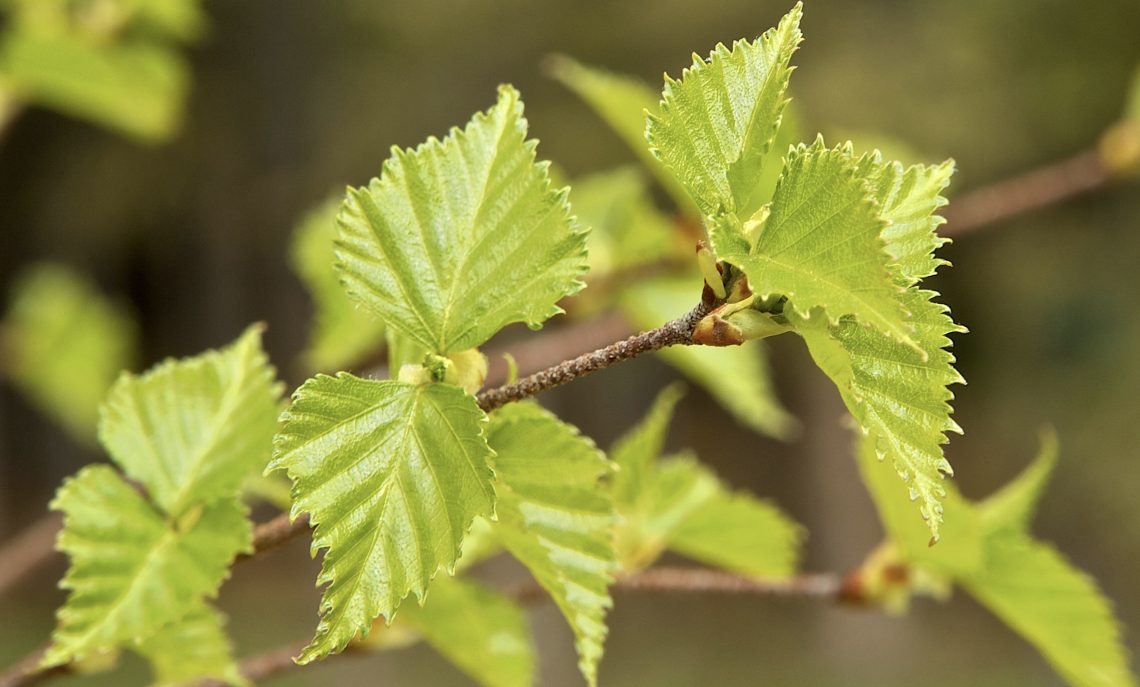
Overview of Birch Leaves
Birch trees (Betula spp.) are native to Europe, parts of Asia, and the northern hemisphere, in the northern zones of temperate ecosystems and boreal climates. There are over fifty species of birch globally, of which nineteen are native to the United States. The leaves, bark, and buds of these trees are often used in Traditional Medicine for:
joint pain
kidney stones
bladder stones
urinary tract infections
General Information about Birch Leaves
Birch leaf is the common name for the leaves of the Betula pendula Roth or Betula pubescens Ehrh tree. Throughout history, birch bark has been used in Traditional Medicine by Indigenous peoples of North America to treat superficial wounds by applying the bark directly to the skin.
Birch leaves act as a diuretic for irrigating the urinary tract, especially in cases of inflammation and kidney stones, and as an adjunct in the treatment of bacterial infections and spasmodic disorders of the urinary tract.
Birch leaves contain salicylates and exhibit both anti-inflammatory and pain-relieving properties. Therapeutically, birch leaves have been used in Traditional Medicine for joint pain, taken as tea or used as an external poultice. Locally applied birch extract is effective in healing and protecting boils and wounds.
Health Canada’s monograph recognizes evidence supporting the safety and efficacy of birch leaf (Betula pendula) for use in herbal medicine as a diuretic when provided in a dry equivalent dose of 0.6-9.0 g/day.
What is Birch Leaf Used For?
In The Science and Practice of Herbal Medicine, Dr. David Hoffmann writes: Birch leaf is an effective remedy for cystitis and other urinary system infections and helps eliminate excess water from the body. Perhaps due to this healing, diuretic activity, the plant has been used to treat gout, rheumatism, and mild arthritic pain.
Uses and Efficacy of Birch Leaves
Its additional anti-inflammatory, antiseptic, and tonic actions have made the plant particularly useful in both traditional and modern medicine for:
cystitis
bladder catarrh
kidney stones
renal calculi
infections and irritability of the urinary system in general
gout
rheumatism
dropsy
Precautions for Birch Leaves
Consult with a physician before introducing birch leaf into your routine if you are pregnant or breastfeeding, as there is insufficient knowledge about its use in these circumstances.
Those allergic to wild carrots, mugwort, ragweed, and other spices may react to birch pollen. Birch pollen can also induce allergic reactions in those sensitive to other plants, such as apples, soy, peanuts, and other nuts.
Reported side effects associated with birch leaf medications include: diarrhea, nausea, and allergic reactions such as itching, rashes, and nasal congestion.
If you have high blood pressure, discuss with your doctor before using birch leaf. There is some concern that it may increase the amount of sodium your body retains, which could worsen blood pressure over time.
Benefits of Birch Leaves
1. Anti-inflammatory for the Urinary Tract
In controlled and open clinical studies, birch leaf has demonstrated its utility as an anti-inflammatory and antimicrobial agent in patients facing urinary tract infections, cystitis, and other inflammatory diseases. The German Commission E monograph recommends tea to prevent urinary tract stones and to treat bone and joint conditions. Birch leaves contain allantoin, which soothes, nourishes, and tightens irritated and inflamed tissues, such as those in the bladder and kidneys.
2. Tonic for the Urinary Tract and Bladder
Birch leaf is traditionally used in herbal medicine as an antiseptic for the urinary tract to help alleviate mild urinary infections. It contains D-mannose, a natural sugar found in birch and beech trees. This sugar travels directly to the bladder, where it attaches to the walls, forming a protective barrier and preventing bacteria from adhering. It is then flushed out, taking the bacteria with it.
3. Helps Irrigate/Flush the Urinary Tract
Birch leaves are a common component of combined diuretic/urological products, as they contain chemical substances that eliminate excess fluids, increasing the volume and frequency of urination. This is useful for eliminating uric acid, toxins, and excess edematous fluids. Birch leaf wine is traditionally used in Germany as a diuretic for urinary tract conditions.
Frequently Asked Questions
Are Birch Leaves Toxic?
Birch leaves are safe for most adults when taken orally for short periods; however, they may cause allergic reactions in some individuals.
Can You Eat Birch Leaves?
Yes, birch leaves can be prepared in tea, and young leaves can be steamed or sautéed. You can also eat the twigs and young leaves of the birch tree when they bud in spring.
What Are Birch Leaves Good For?
Birch leaves are rich in vitamin C. They are often used in traditional medicine to treat urinary tract infections affecting the kidneys, bladder, ureters, and urethra. They are also used as a diuretic to increase urine output.
How to Make Tea from Birch Leaves?
Making a tea from birch leaves is quite simple. When gathering leaves in spring for tea, you don’t need many for a cup; just three young leaves are enough for one serving. If the tree produces pollen, you can collect that as well to add to the tea if you are not allergic! Steep the leaves in boiling water for a few minutes and enjoy its benefits!




