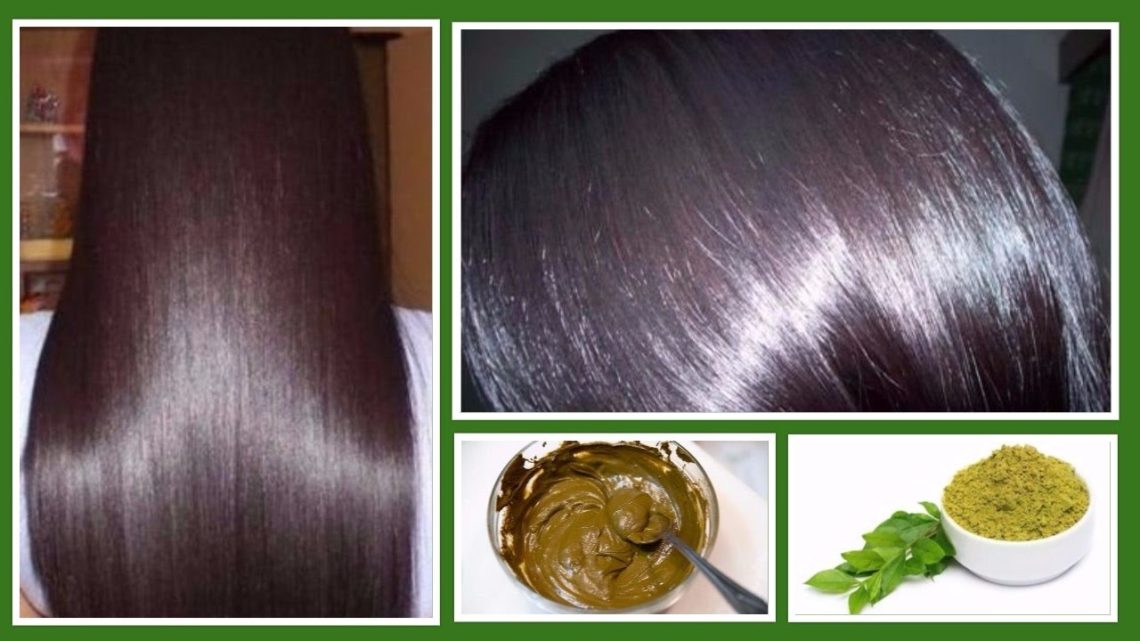
Covering gray hair with commercial hair dyes leaves it vulnerable to chemical substances that can damage it. Have you considered using a natural alternative like henna for gray hair? Henna, commonly known as mehendi, colors the hair in a beautiful reddish hue. It is traditionally used to maintain thick hair and has antimicrobial properties that keep the hair and scalp protected and healthy.
What is henna?
The henna leaf, or Lawsonia inermis, is cultivated throughout India. It is popularly used as a hair dye, for body art, and is known for its medicinal and therapeutic properties. The color can vary depending on the variety of henna leaves used.
It provides an instant cooling effect and has antimicrobial properties. Henna extract is effective against S. aureus bacteria that cause acne and can help minimize scalp acne.
Traditionally, it is believed that mehendi or henna strengthens hair, promotes hair growth, and adds shine. However, there is no scientific evidence to support these claims. Henna is commonly used to cover gray hair and is a popular alternative to chemical hair dyes.
Does henna cover gray hair?
Yes. Henna can cover gray hair. However, results may vary depending on the natural color of the hair.
Adding other plant-based ingredients such as jatamansi, kuth, kattha, and amla (Indian gooseberry) along with coffee to henna can produce a significant coloring effect and can effectively cover gray hair.
How to cover gray hair with henna: A Complete Guide
Ingredients:
1-2 tablespoons of black tea leaves
2-3 tablespoons of henna powder (adjust the quantity)
2-3 cups of water
1-2 tablespoons of lemon juice
Application brush
A mixing bowl
An old t-shirt
Preparation Method:
Step 1: Boil the black tea leaves
Boil a little black tea leaves in water. Once it starts to boil, let it simmer until the water reduces by half. The water should be proportional to the amount of henna powder you are using. Always use natural henna powder.
Step 2: Prepare a henna mask
Soak the henna powder in water for about 8 hours or overnight. Mix the henna paste, black tea, and lemon juice. You can optionally add some amla powder to this mixture.
Step 3: Apply the mask
Wear the old t-shirt to avoid staining. Use the application brush to cover sections from the roots to the tips. Repeat with all sections of hair. Wear a disposable shower cap to keep the hair intact and wait at least 30 minutes for the hair to absorb the paste. Rinse with a variety of options available for every taste and budget.
Step 4: Rinse it out
Rinse the paste with cold water. Make sure to rinse well and apply a conditioner to the hair. Do not shampoo immediately and let the color set. You can shampoo your hair the next day. You can apply henna once or twice a month.
Precautions to consider during henna application
Perform a patch test to prevent allergic reactions.
Do not apply henna if you have scalp conditions or blisters or wounds on the scalp.
If you have a cold or fever, do not apply henna. It has a cooling effect and may worsen your condition.
Make sure your hair is not tangled. Henna paste can cause tangles and can be difficult to rinse out.
Always use a glass bowl to mix the paste, as metal bowls can react with the ingredients.
Cover the hairline and skin around the neck with petroleum jelly or cream to prevent staining.
Always wear disposable plastic gloves before applying henna to prevent staining.
Do not apply henna on oily hair, as the oil can hinder color absorption.
Do not leave henna on the hair for more than 45 minutes. If it dries completely, it can be difficult to rinse out.
Apply cucumber slices or cooling pads to the eyes if you experience a burning sensation in the eyes after applying henna.