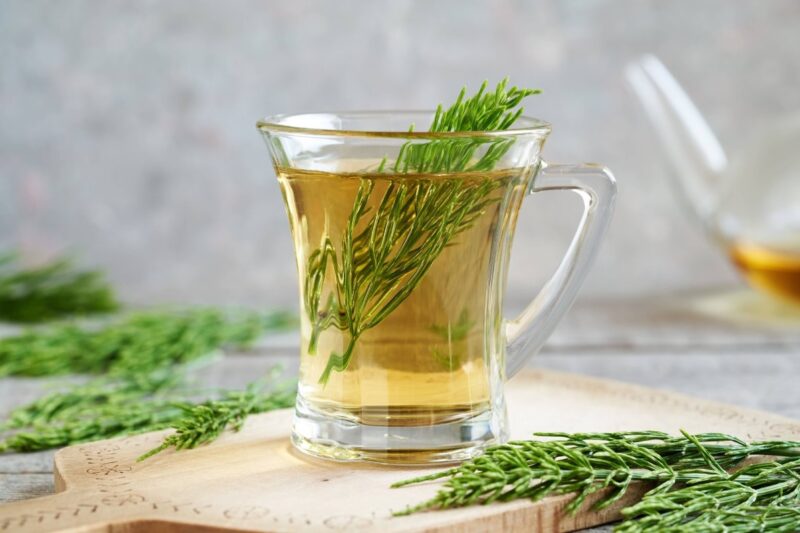
Horsetail tea (Equisetum arvense) is a natural remedy known for its beneficial effects on the kidneys, urinary system, and bones. However, despite its popularity, this tea is not without risks. Uncontrolled consumption or use in inappropriate situations can lead to serious adverse reactions.
Important Contraindications of Horsetail Tea
1. People with Thiamine Deficiency (Vitamin B1)
Horsetail contains anti-thiaminase enzymes that destroy thiamine. Prolonged consumption can worsen an existing deficiency, leading to fatigue, mental confusion, muscle weakness, or even severe neurological disorders.
Doctors warn that this effect may occur especially in older individuals, alcoholics, or those with an unbalanced diet.
2. Pregnant and Breastfeeding Women
There are not enough studies regarding the safety of horsetail consumption during pregnancy and breastfeeding. Some components may have uterotonic effects or interfere with the absorption of important nutrients during this period.
According to a published article, pregnant women should avoid any supplement or tea containing horsetail due to potential risks to the fetus.
3. People with Kidney Disorders
Although considered a beneficial plant for the kidneys, horsetail has a strong diuretic effect. In cases of renal insufficiency or other chronic kidney diseases, overstimulation of diuresis can lead to electrolyte imbalances, excessive potassium loss, and worsening symptoms.
Cleveland Clinic warns against the uncontrolled use of diuretic plants in kidney disorders without medical advice.
4. Patients with Cardiovascular Diseases or Those on Diuretic Treatments
Horsetail, in combination with diuretic medications, can amplify the effect of water elimination from the body. This can lead to hypotension, muscle cramps, dizziness, and even cardiac arrhythmias due to the loss of essential electrolytes.
The simultaneous consumption of horsetail and medications such as furosemide, hydrochlorothiazide, or spironolactone is contraindicated.
5. Diabetics Undergoing Treatment
Some studies suggest that horsetail tea may slightly lower blood sugar levels. In combination with antidiabetic medications, there is a risk of hypoglycemia, especially if blood sugar levels are not monitored consistently.
National Institutes of Health (NIH) recommends avoiding supplements with potential hypoglycemic effects without the advice of a diabetes specialist.
6. People Allergic to Nickel
Horsetail contains significant amounts of nickel. For those sensitive to this metal, consuming the plant can cause allergic reactions ranging from skin rashes and itching to gastrointestinal disturbances.
7. Children Under 12 Years Old
Children are much more sensitive to the effects of natural diuretics and neurotoxic compounds. The administration of horsetail tea to children is not recommended unless strictly indicated by a herbalist or pediatrician.
Studies and Medical Warnings
- Journal of Ethnopharmacology (2021) showed that horsetail extracts can affect thiamine absorption at high doses and with prolonged use.
- European Medicines Agency (EMA) issued an official opinion regarding the limited use of horsetail, emphasizing the need for treatment monitoring and avoiding self-medication.
- On various platforms, possible interactions with lithium, anticonvulsants, and non-steroidal anti-inflammatory drugs are mentioned.
Although horsetail tea is a valuable remedy in herbal medicine, it is not without contraindications. Administration should be done responsibly, for a short term, and only after risks have been excluded. Always consult a doctor before starting a regimen with this plant, especially if you have chronic health issues or are undergoing medical treatments.




