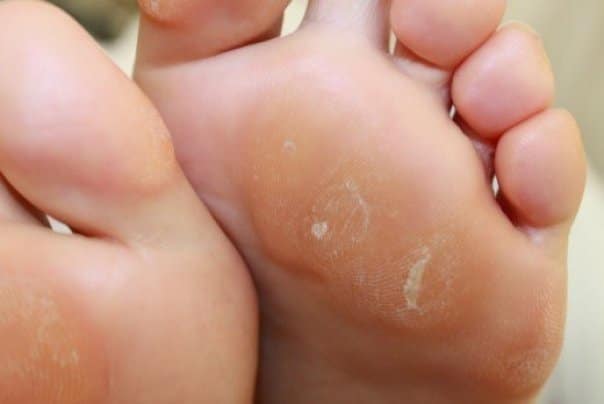
Calluses and corns are rough, thickened patches of skin that form on the hands and feet over time due to pressure and friction. Corns are similar to calluses but differ in that they have a core that is either soft or hard. Corns usually have a round shape, while calluses (also known as callosities) do not have a defined outline.
While soft corns form between the toes, hard corns form on the tips of the toes. Corns typically develop in areas that do not bear the weight of your feet and in areas with less cushioning. Home remedies such as baking soda, coconut oil, and pumice stone can help you get rid of corns and calluses.
What are the symptoms of corns and calluses?
You can feel corns and calluses as hard areas of skin that appear different from the surrounding skin. They may be less sensitive to touch due to the thickened layer of skin called the stratum corneum (the outermost layer of skin). While calluses usually do not cause pain, corns can be painful. Neither is contagious.
What causes corns and calluses?
Several factors cause corns and calluses, but it often comes down to pressure and a process called hyperkeratosis (abnormal thickening of the outer layer of skin). Friction from ill-fitting shoes, socks, or stockings can make parts of the body vulnerable to callus formation.
Other factors that can cause calluses include pressure from high-heeled shoes, not wearing gloves, and changes in the feet as you age. As you age, your feet become wider, and the cushioning inside them thins.
Calluses are your body’s way of protecting your skin from damage. If you regularly walk on hard surfaces, corns and calluses may also develop. This includes high-impact exercises. You may also be at risk if you have other foot conditions, such as arthritis. These conditions can cause the toes to rub against shoes in an unnatural way, creating a friction point.
Calluses and corns form as a way to protect you from frequent pressure and friction. Friction causes the outer layer of skin to die, resulting in dead skin covering the corn. Guitarists, for example, have calluses on the tips of their fingers due to the pressure exerted by the guitar strings.
Let’s look at the best natural ways to get rid of calluses and corns.
Natural Remedies for Corns and Calluses
Soaking Feet in Epsom Salt Bath
Soaking your feet in an Epsom salt solution is an effective home remedy for softening corns and calluses. This makes it easier to remove the thickened skin while improving circulation to the affected area.
Soak your feet in a solution of warm water and a cup of Epsom salt for 10 to 15 minutes to soften hardened dead skin. When finished, make sure to dry your feet and then exfoliate the thick skin on your feet with a pumice stone until the hard spots disappear. Simply rub the pumice stone over the corn or callus to remove the outer layer of dead skin.
To keep your skin soft and prevent the formation of corns and calluses, moisturize your feet with coconut oil, jojoba oil, or any other natural oil after exfoliating.
Be careful when using a pumice stone and ensure you do not irritate your skin. This can make your skin vulnerable to skin infections. Additionally, you should not use an Epsom salt foot bath if you have open wounds on your feet.
Removal with Epsom Salt
Epsom salt is a natural scrub that can help you get rid of dead and dry skin. This, in turn, helps repair callused feet and also removes corns.
Mix a 2:1 ratio of neutral oil, such as sweet almond oil or jojoba oil, and Epsom salt. Gently rub the remedy on the hard skin to remove corns and calluses from your feet and toes. Rinse with warm water and dry. Rub your feet with moisturizer, lotion, or natural oil to soften the skin.
You can also use sea salt scrub instead of Epsom salt to treat corns and calluses.
Coconut Oil for Rough Skin
Massaging your feet with coconut oil will improve blood circulation to the feet and also hydrate and soften the hard skin, which can help prevent calluses and corns. Massaging the skin with coconut oil can also prevent cracked skin that may result from calluses and infections.
A study published in the Journal of Dermatitis found that coconut oil is an effective and safe moisturizer for treating dry, scaly skin. As an added bonus, virgin coconut oil also has antiseptic properties.
To treat corns and calluses with coconut oil, warm about a teaspoon of coconut oil in your hands and gently massage your feet. Focus on the hardened areas of dead skin buildup to get rid of corns and calluses. Afterward, put on a pair of socks and let the oil work its magic overnight. Repeat this daily until the corns and calluses have completely healed.
Salicylic Acid
Salicylic acid is a common treatment for calluses as well as a remedy for warts that works by reducing the thickness of calluses. It dissolves the layer of dead skin from both corns and calluses.
Salicylic acid is derived from a chemical found in willow bark called salicin. It has a long history of use for pain and wounds due in part to its anti-inflammatory properties. You may be familiar with one of its derivatives, namely aspirin.
Apply salicylic acid to the hard skin according to the instructions on the skincare product. Once the corn or calluses have softened, you can remove the dead skin.
Mother-in-Law’s Tongue (Sansevieria trifasciata)
Sansevieria trifasciata, more commonly known as mother-in-law’s tongue, is an effective natural treatment for getting rid of corns and calluses.
A study published in the Global Journal of Health Science found that an ointment with a concentration of 5 to 20% containing Sansevieria trifasciata extract treated corns within 25 days. Researchers found that a 20 percent solution improved calluses within 10 days.
Apple Cider Vinegar Foot Bath
Apple cider vinegar offers many health benefits and can reduce the thickened rough skin of calluses. It is also effective for softening the skin to reduce their appearance. Its antibacterial and antifungal properties provide additional protection against infections.
Add 1 cup of apple cider vinegar to a warm foot bath and soak your feet for 10 minutes. As with the other foot baths mentioned, dry your feet thoroughly. Exfoliate the affected area with a pumice stone. To keep the skin area hydrated, apply a little olive oil or coconut oil. Repeat once a day until your corn disappears.
Baking Soda Foot Bath
Baking soda can provide a good treatment for softening the rough skin covering corns and calluses. You can also use baking soda to exfoliate your skin to remove dead cells.
Add three tablespoons of baking soda to warm water and soak your feet for 10 to 15 minutes. Then you can gently remove any dead skin using a pumice stone or foot file.
Lemon Juice
Lemon juice is a great home remedy for treating corns and calluses. Like apple cider vinegar, the acidity of lemon juice gives it antimicrobial properties that can also soften your skin and prevent cracked heels.
You can apply lemon juice directly to corns or calluses and let it air dry. You can also mix it with warm water for a pleasant-smelling foot bath. Soak your feet for 15 minutes to soften your skin.
Corns and Calluses – Note for Diabetics
While these are effective treatments for calluses and corns, you should consult your doctor before using any of them if you are diabetic or have a circulation condition. A common complication of diabetes is neuropathy or reduced sensation in the feet and hands. Because of this, you have a higher risk of developing foot ulcers that can lead to infections. Calluses are a risk factor for developing foot ulcers.
Tips for Preventing Corns and Calluses
In addition to remedies for corns and calluses, there are several self-care steps you can take to prevent their development, focusing primarily on what causes them.
Make sure to wear appropriate footwear to prevent corns and calluses. They should fit your feet well, with plenty of room for your toes. This will prevent your toes from rubbing against the inside of your shoes. You may also want to consider alternating the shoes you wear on different days.
Swollen feet can also pose a risk for developing corns and calluses. When your feet swell, there is less space for them to move in your shoes. This can lead to friction on certain parts of the feet against the inside of the shoes. Simple things like elevating your feet or taking frequent breaks from sitting can improve circulation and prevent foot swelling and pressure points.
Feet are not the only parts of the body sensitive to calluses. You should always wear gloves when working in the garden or yard to prevent calluses from forming on your hands or fingers. Pressure and friction can cause dead skin to build up just like on your feet.
Corns and Calluses – When to See a Doctor
If you find that self-care treatments for corns and calluses are not relieving your symptoms, you may want to consult your doctor. Other red flags that signal a visit to the doctor include pain from corns and calluses or if large areas of the body are affected. And, of course, if you are diabetic or suffer from neuropathy or circulation issues, you should always discuss with your doctor before trying self-care treatments.
There are many remedies for corns and calluses. Simple measures such as wearing the right shoes and regular moisturizing can prevent the development of hardened skin and help you get rid of corns and calluses.




