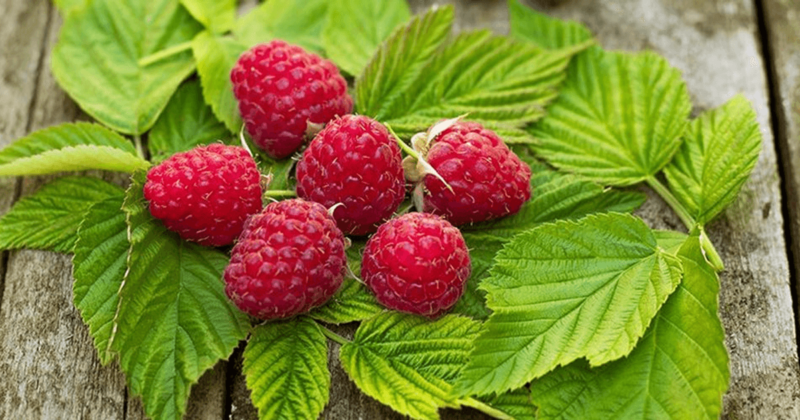
Raspberry leaf (Rubus idaeus) is one of the most valuable medicinal plants for women’s health, recognized for centuries for its ability to balance the hormonal cycle and support the reproductive system. While raspberry is mainly known for its sweet and aromatic fruits, the leaf has a rich chemical composition that makes it an exceptional remedy, especially in the form of tea.
Composition of Raspberry Leaf
Raspberry leaves contain:
- tannins (with astringent and anti-inflammatory effects)
- flavonoids (with antioxidant and hormonal roles)
- ellagic acid and salicylic acid
- vitamins (especially vitamins C and E)
- minerals such as magnesium, calcium, iron, and potassium
- fragarine, an active compound responsible for toning the pelvic and uterine muscles
How to Prepare Raspberry Leaf Tea
Ingredients:
- 1 tablespoon dried raspberry leaves (or 1-2 tablespoons fresh leaves)
- 250 ml boiling water
Preparation:
Pour hot water over the leaves and let steep for 10-15 minutes, covered. Strain and consume warm.
It is recommended to drink 1-2 cups of tea per day, in courses of 2-3 weeks, depending on the condition and the specialist’s recommendation.
Benefits for Hormonal Regulation
1. Supports Estrogen-Progesterone Balance
Raspberry leaf does not contain hormones, but positively influences the balance between estrogen and progesterone through the action of flavonoids and minerals on the endocrine glands. Studies show that the plant supports the luteal body and can alleviate symptoms caused by excess estrogen.
2. Regulates Menstrual Cycle
Regular use of the tea can lead to more regular and less painful menstrual cycles. Fragarine has a toning effect on the uterus and can reduce uterine cramps.
3. Alleviates Premenstrual Syndrome (PMS)
Due to its calming and anti-inflammatory effects, raspberry leaf can reduce premenstrual symptoms such as irritability, bloating, and breast pain. Magnesium and vitamin E contribute to emotional stability.
4. Reduces Menopausal Discomfort
Regular consumption helps diminish hot flashes, night sweats, and feelings of anxiety, due to its antioxidant content and gentle action on the hypothalamic-pituitary-ovarian axis.
5. Tones Uterine Muscles
Fragarine acts as a natural uterine tonic, being beneficial for women preparing for pregnancy or in the later stages of pregnancy (only with medical approval). This effect also contributes to easier recovery after childbirth.
6. Supports Natural Fertility
Raspberry leaf, in combination with other plants such as red clover or nettle, is often recommended by herbalists in formulas aimed at hormonal regulation and supporting fertility in young women.
Contraindications
- Not recommended in the first months of pregnancy without medical consultation (may slightly stimulate uterine contractions).
- May interact with hormonal medications; consulting a specialist is recommended.
- Not indicated for individuals allergic to plants in the Rosaceae family.
- Avoid excessive consumption as it may cause mild nausea or diarrhea.
Studies and Medical Opinions
- A study published in Journal of Midwifery & Women’s Health showed that women who consumed raspberry leaves in the last trimester of pregnancy had a reduced likelihood of requiring medical interventions during labor.
- According to herbalists cited in Medical Herbalism by David Hoffmann, raspberry leaf is considered one of the safest and most effective plants for hormonal balancing in women.
- Other research indicates that raspberry leaf extract has antioxidant and anti-inflammatory effects that indirectly support hormonal function by reducing oxidative stress.
Raspberry leaf tea is a reliable ally in female hormonal regulation. When used correctly and consistently, it can help reduce hormonal imbalances, alleviate menstrual or menopausal symptoms, and support fertility. It is a natural, accessible option that is well tolerated by the body.
Sources:
- Journal of Midwifery & Women’s Health – Raspberry Leaf and Its Effect on Labour
- Medical Herbalism – Red Raspberry Leaf: Female Reproductive Tonic
- Healthline – Raspberry Leaf Tea: Health Benefits and Precautions
- WebMD – Herbs for Menstrual Cramps and PMS
- PubMed – Antioxidant and anti-inflammatory potential of Rubus idaeus leaf extract




