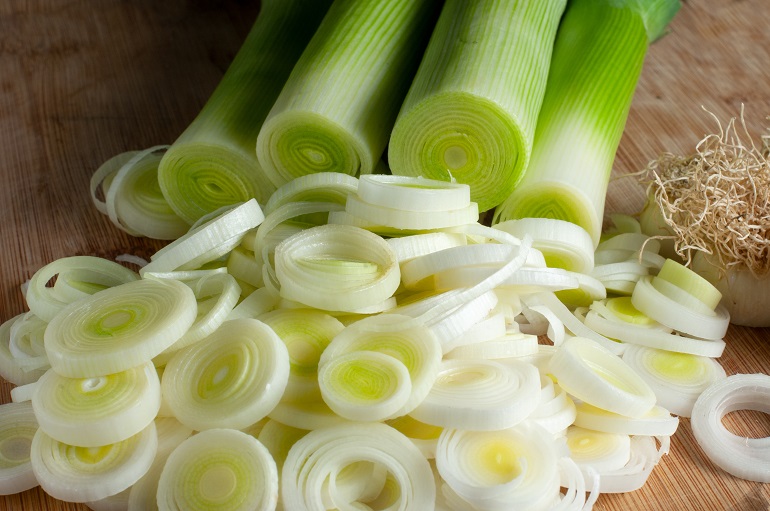
Leek, an aromatic vegetable with long stalks and green leaves, belongs to the Allium family and is closely related to onions and garlic. This versatile vegetable is rich in essential nutrients and offers numerous health benefits, making it a highly valued food in the kitchen for its valuable contribution.
Leek is a rich source of essential nutrients. Among its nutrients are:
Vitamin C:
Essential for immunity, skin health, and tissue healing.
Vitamin K:
Important for blood clotting and bone health.
Vitamin A:
Beneficial for eye and skin health.
Fiber:
Contributes to digestive health and regulates intestinal transit.
Potassium:
Essential for the normal functioning of cells, the heart, and the nervous system.
Iron:
Necessary for oxygen transport in the blood and optimal body function.
Calcium:
Essential for bone and dental health.
Antioxidants (flavonoids, polyphenols):
Help reduce inflammation and protect cells against oxidative stress.
These nutrients make leek a valuable vegetable from a nutritional standpoint, contributing to maintaining good health during the cold season.
Benefits of Consuming Leek in the Cold Season:
1. Enhanced Immunity:
Due to its high vitamin C content, leek helps strengthen the immune system, protecting the body against colds and flu that are common during the cold season.
2. Anti-inflammatory and Antioxidant Properties:
Leek contains compounds such as flavonoids and polyphenols, which have strong anti-inflammatory and antioxidant effects. These properties help reduce inflammation and protect cells against oxidative stress, being particularly beneficial during the cold season when the risk of infections increases.
3. Digestive Health:
The dietary fibers in leek contribute to maintaining healthy digestion, preventing digestive issues that can be exacerbated during the cold season, such as constipation or gastric discomfort.
4. Maintaining Bone Health:
Leek is a source of calcium and vitamin K, essential for bone health. In the cold season, when the risk of accidents may increase, regular consumption of leek can help maintain bone integrity and prevent fractures.
5. Essential Nutrient Intake:
In addition to vitamin C and calcium, leek provides vitamin A, important for eye health, as well as potassium and iron, essential for the optimal functioning of the body.
6. Promoting Heart Health:
Consuming leek can help reduce cholesterol levels and blood pressure, having a positive impact on cardiovascular health, especially during the cold season when physical activity may be reduced.
Leek proves to be a valuable addition to the winter diet, offering numerous health benefits, from strengthening the immune system to supporting bone and heart health. Regularly consumed during the cold season, leek can play a significant role in maintaining health and overall well-being.




