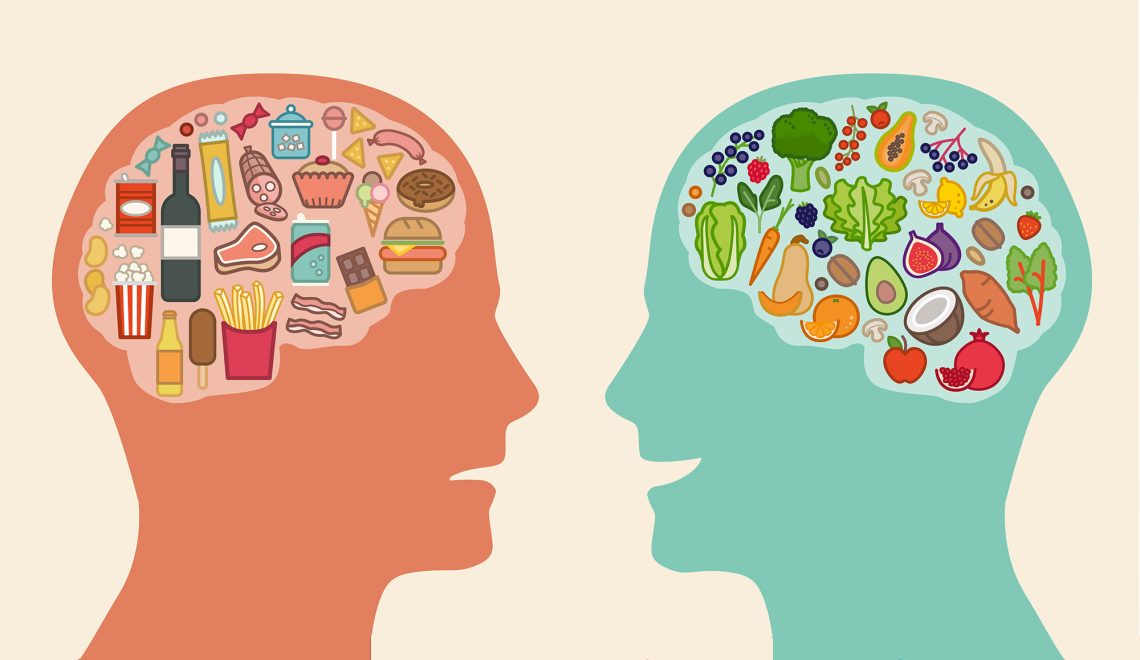
Have you noticed that food can drastically change your mood? It’s possible you’ve had a snack to boost your energy or eaten comfort foods when feeling down. This is not an isolated phenomenon: what we eat can affect our mood in various ways. Numerous studies have examined the impact of food, gut health, and exercise on mental health, making it hard to ignore how they are interconnected. A variety of factors play a role in a person’s emotional well-being. It goes without saying that anyone looking to improve their mental health should closely examine their eating habits.
Why Do Foods Affect Our Mood?
Food has a powerful effect on our mood, both physically and mentally. Many foods contain essential vitamins and minerals that contribute to our overall well-being. For example, some B vitamins (found in leafy greens, legumes, nuts, etc.) can help us stay alert and energized. Additionally, omega-3 fatty acids from salmon or other sources help regulate emotions, reduce anxiety, and improve overall mood.
Consuming healthy foods helps provide the nutrients our bodies need for optimal brain function and supports emotional stability, all of which can lead to an improved mental state.
Since food plays an essential role in regulating our emotions, we should be more mindful of the types of foods we consume. Ultra-processed foods contain chemical additives that can affect our gut, inflame the immune system, and increase the risk of illness. What we eat can directly impact how we feel throughout the day, which is why it’s crucial to pay attention to how certain foods make us feel, both positively and negatively.
Understanding how food influences our gut health and how exercise can mitigate these negative effects is essential.
Mental Health and Food Consumption
Mental health and food consumption are closely linked. A healthy, balanced diet can positively impact mental well-being, while consuming unhealthy foods, such as processed snacks or those high in sugar, can lower mood. Obtaining sufficient vitamins in the diet is vital for managing mental health issues.
Food can affect how we think and feel, so we must be attentive to what we eat. Consuming nutritious foods low in fats, sodium, and sugar can provide more energy, help reduce stress levels, and supply the necessary nutrients for optimal mental health.
Increased Risk of Depression with Unhealthy Eating Habits
Unhealthy eating habits can play a significant role in the development of depression by depleting the body of essential nutrients and vitamins, leading to an imbalance in mood. Research has shown that for individuals at risk of developing a depressive disorder, diets low in fruits and vegetables or high in saturated fats and sugar can be associated with poorer mental health outcomes.
Therefore, it is imperative to ensure a healthy diet, including foods rich in omega-3 fatty acids, such as fish oil, nuts, and avocados, to be included in daily meals.
In short, healthy foods help reduce the likelihood of developing depression while simultaneously promoting overall well-being.
Combating Depression through Exercise
Scientific evidence has shown that exercise is an effective treatment for depression. Regular physical activity offers numerous benefits in combating depression, as it releases endorphins and neurotransmitters that reduce feelings of stress and improve mood, providing more energy throughout the day. It also helps divert the mind from negative thoughts.
Additionally, engaging in physical activity can provide a sense of accomplishment, further enhancing mood and self-esteem. All these benefits create a compounding effect, allowing individuals with depression to start feeling better more quickly.
The Connection Between Diet, Exercise, and Depression
Research suggests that diet and exercise can be key factors in maintaining a healthy mental state. Many believe that depression is solely caused by a chemical imbalance in the brain. While the direct cause of depression is unknown, several factors contribute to it, such as:
- Genetics
- Neurological issues
- Environmental factors
- Hormonal changes
- Trauma
- Substance use and its effects
- Seasonal affective disorder
However, another factor may be at fault. Recent studies show that what we eat and how often we eat can directly influence our mental state. Depression affects millions of people annually and leads to physical and emotional suffering. Understanding the link between dietary choices, levels of physical activity, and depressive symptoms can help us manage mental health more effectively.
The connection between diet, exercise, and depression is an important topic to consider, as a healthy, balanced diet and regular exercise can help reduce symptoms of depression and improve overall physical and mental health.
Studies have found that individuals with depression tend to consume unhealthy foods, high in sugar, or eat too much or too little.
It has also been shown that exercise reduces stress levels while simultaneously increasing endorphins in the brain, which can improve mood and outlook. Therefore, creating a healthy balance of physical activity and nutritious meals can be beneficial for those struggling with depression, as it can reduce symptoms and enhance well-being.
Identifying Signs of Depression and Substance Abuse
While not always directly related, there is a connection between depression and substance abuse. Identifying depression and substance abuse is essential for obtaining help for individuals facing these issues. Symptoms of depression include feelings of sadness, hopelessness, guilt, low self-esteem, and irritability. At the same time, signs of substance abuse may include changes in behavior or attitude, lack of motivation, and social isolation.
These symptoms can be indicators that a person needs assistance to navigate a difficult time in their life, and it is essential to recognize the signs and explore treatment options to ensure that those facing mental health issues receive the help they need. Treatment options typically include outpatient therapies to identify the underlying causes of depression and substance abuse. Additionally, patients often attend individual and group therapy sessions without medication.
In more severe cases, medication may be needed in addition to traditional therapy to uncover the underlying causes of substance abuse. Identifying the triggers of depression and substance abuse requires guidance and professional therapy to pinpoint those fundamental causes.
However, to improve overall mood and mental health, a combination of a good diet and regular exercise will provide both the body and mind with the nutrients and neurochemicals needed to lead a happier and healthier life.




