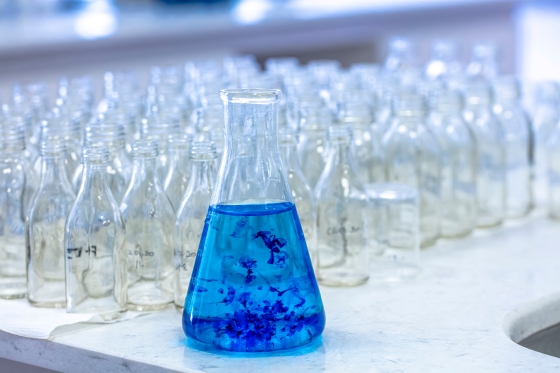
Known primarily as a simple dye with applications in the laboratory, methylene blue (or methylene blue) hides a rich history of medical uses, ranging from treating urinary infections to potential beneficial effects on the brain. This simple-structured substance has been used since the 19th century and is regaining the attention of researchers for its therapeutic potential in multiple conditions.
What is Methylene Blue?
Methylene blue (methylthioninium chloride) is an organic synthetic dye with a deep blue hue, soluble in water, with antiseptic, antifungal, antioxidant, and neuroprotective properties. It is used in medicine as well as in biology, chemistry, and industry.
Therapeutic Benefits of Methylene Blue
1. Effective Antiseptic
Used externally, methylene blue is a strong disinfectant for wounds, skin lesions, abrasions, or minor burns. It prevents the growth of bacteria and fungi, speeding up healing.
2. Treatment of Urinary Infections
It is included in certain medications for the urinary tract due to its antiseptic and mild analgesic effects. It alleviates the burning sensation and reduces inflammation.
3. Potential Neuroprotective Effects
Recent studies indicate that methylene blue may support the functioning of mitochondria in nerve cells, improving cognitive performance and slowing neuronal degeneration (in conditions such as Alzheimer’s or Parkinson’s).
4. Antidote in Intoxications
It is used in emergency medicine for the treatment of methemoglobinemia, a condition in which the blood can no longer effectively transport oxygen. Methylene blue acts quickly to restore the oxygen-carrying function of hemoglobin.
5. Possible Antimalarial Effect
The use of methylene blue in combination with other antimalarial treatments has proven effective against some drug-resistant strains of Plasmodium.
How to Use Methylene Blue
External Use (Topical):
Apply to superficial wounds, cuts, dermatitis, or infected areas with a sterile brush, in a thin layer.
It can be added to bath water for antiseptic effect (in cases of fungal infections of the skin or feet).
Internal Use (with medical prescription):
Only in the form of medication, in specially formulated combinations (e.g., for cystitis).
DO NOT administer as a pure substance orally or intravenously without medical advice!
In Alternative Medicine (with caution):
There are experimental therapies that use microdoses of methylene blue to support brain function, but these require strict medical supervision.
Contraindications and Precautions
Methylene blue should NOT be used:
-
In case of allergy to the substance
-
During pregnancy or breastfeeding
-
In individuals with G6PD deficiency (glucose-6-phosphate dehydrogenase) – risk of hemolysis
-
Internally, without clear medical prescription
-
In combination with certain antidepressant medications (SSRIs, MAOIs) – risk of serotonin syndrome
The coloring of urine to blue-green is normal in case of administration, but it may alarm the patient if not warned.
What Do Scientific Studies Say?
1. Studies on Neuroprotection
A study published in The Journal of Alzheimer’s Disease (2021) showed that methylene blue reduces the accumulation of tau proteins in the brain, implicated in Alzheimer’s.
2. Use in Medical Emergencies
According to Clinical Toxicology Journal, methylene blue is the first-line treatment for methemoglobinemia, with rapid and well-documented effects.
3. Antimicrobial Role
Research published in Journal of Antimicrobial Chemotherapy (2020) highlights its antifungal and antibacterial effects against resistant pathogens.
Sources:
-
Journal of Alzheimer’s Disease: Methylene Blue and Neurodegeneration: A Review of Recent Clinical Studies
-
Clinical Toxicology: Management of Acquired Methemoglobinemia Using Methylene Blue
-
Journal of Antimicrobial Chemotherapy: In Vitro Antimicrobial Activity of Methylene Blue Against Resistant Pathogens




