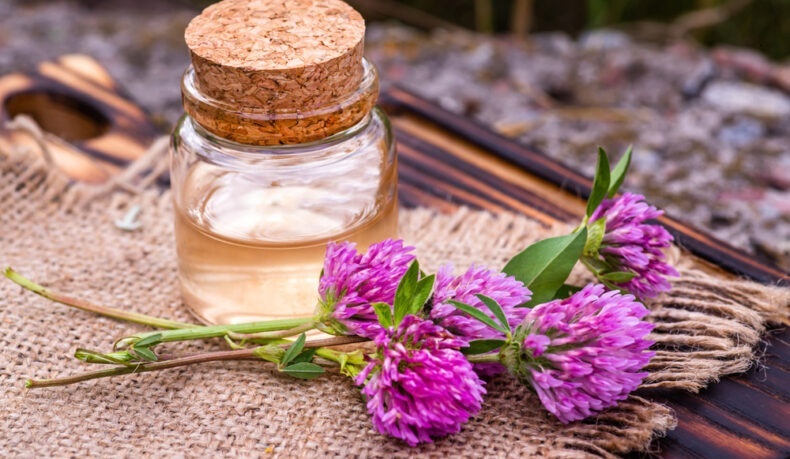
Red clover (Trifolium pratense) is more than just a field flower. In natural medicine, it is considered a true natural regulator of fats in the blood. Its rich content of isoflavones and antioxidants makes this plant a valuable choice for those looking to improve cardiovascular health, without aggressive medications.
What Does Red Clover Contain and Why Is It Important?
This plant contains:
- Isoflavones (genistein, daidzein, biochanin A, formononetin) – substances similar to human estrogens, but with a mild action, which regulate fat and hormone metabolism
- Phenolic acids – combat inflammation and the oxidation of lipids in the blood
- Vitamin C and Vitamin E – help protect blood vessels against oxidative stress
- Flavonoids and tannins – play a role in reducing blood pressure and improving blood flow
This complex combination means that red clover does not just act symptomatically, but treats the underlying causes of cholesterol accumulation.
Benefits for Reducing Cholesterol
1. Lowers LDL Cholesterol Through Direct Hepatic Action
The isoflavones in red clover have the ability to reduce cholesterol production in the liver, where LDL cholesterol (low-density lipoproteins) is synthesized. They modulate the activity of a key enzyme, HMG-CoA reductase, which is also targeted by statins, but without aggressive side effects.
The result: a gradual but consistent decrease in bad cholesterol, by up to 10-15% in 2-3 months, without changes in diet or other treatments.
2. Increases HDL Cholesterol and Prevents the Formation of Atheromatous Plaques
HDL is the good cholesterol that transports excess fats from the blood to the liver for elimination. Red clover, through its isoflavones, stimulates HDL synthesis, which helps with:
- cleansing arterial walls
- preventing the formation of fat plaques (atheroma)
- protecting the heart in the long term
3. Prevents Cholesterol Oxidation – A Crucial Step in Heart Diseases
Cholesterol itself is not dangerous until it oxidizes. Then it begins to stick to blood vessels and inflame them. The flavonoids and antioxidants in red clover inhibit this process, keeping cholesterol in an inert form, non-aggressive to the body.
This benefit is essential for preventing heart attacks and strokes.
4. Improves Circulation and Elasticity of Blood Vessels
Through its mild vasodilatory effect, red clover helps to relax arterial walls, which:
- reduces blood pressure
- increases oxygen supply to tissues
- prevents the formation of clots
Scientific Studies
1. Menopause Journal (2004): Red Clover and Lipid Profile
A randomized, double-blind, placebo-controlled clinical study conducted on 147 postmenopausal women. Participants received either 80 mg of red clover isoflavones per day or a placebo for 12 weeks.
Results:
- LDL cholesterol decreased on average by 12%
- HDL cholesterol increased by 8%
- No notable adverse effects
Researchers concluded that isoflavones act both hormonally and directly on lipid metabolism, without interfering with liver functions.
2. American Journal of Clinical Nutrition (2009): Isoflavones and Cardiovascular Risk
A long-term study conducted over 6 months on a group of 89 individuals with moderate hypercholesterolemia. A standardized extract of red clover was administered compared to a placebo.
Key Findings:
- The level of oxidized cholesterol was 15% lower in the group that received red clover
- The antioxidant capacity of plasma increased significantly
- Patients reported improvement in overall well-being, especially regarding blood pressure and chronic fatigue
3. Phytotherapy Research (2012): Experimental Study on Animals
In this study, laboratory rats on a high-cholesterol diet received Trifolium pratense extract for 6 weeks. Researchers evaluated serum levels of total cholesterol, LDL, and triglycerides.
Results:
- Total cholesterol decreased by 22%
- LDL was reduced by 28%
- Triglyceride levels decreased by 31%
- A partial regeneration of the liver was also observed, previously affected by dietary fats
How to Use Red Clover Correctly
Red Clover Tea
- Ingredients: 1 tablespoon of dried flowers in 250 ml of boiling water
- Preparation: Infuse for 10-15 minutes, covered
- Administration: 2-3 cups per day, in courses of 4-6 weeks
Red Clover Tincture
- Dosage: 30-40 drops, 2-3 times a day, dissolved in a little water
- To be taken before meals
Standardized Extract Capsules
- Recommended dosage of 40-80 mg of isoflavones/day
- Courses of 3 months, followed by a break of 2-4 weeks
Contraindications
Red clover is not suitable for everyone. Here’s who should avoid it:
- Pregnant or breastfeeding women
- Individuals with cancer of the breast, uterus, or prostate (estrogenic effects can be dangerous)
- Individuals undergoing anticoagulant treatment (may thin the blood and increase the risk of bleeding)
- Children under 12 years old
Before use, it is recommended to consult a doctor or herbalist, especially if there are other ongoing health conditions.
Red clover is one of the most promising plants for cardiovascular health. Through multiple mechanisms – reducing bad cholesterol, increasing good cholesterol, providing antioxidant protection, and supporting circulation – it contributes to maintaining the elasticity of blood vessels and preventing heart diseases.
Additionally, being a mild yet effective remedy, it can be integrated into the daily regimen of individuals at risk for cardiovascular issues or elevated cholesterol, with appropriate medical monitoring.




