What is shea butter? It is a substance commonly used in cosmetic and natural skin care products. Rich in natural vitamin A, 100% pure, unrefined, raw shea butter can improve numerous skin conditions, such as blemishes and wrinkles, prevent stretch marks during pregnancy, muscle fatigue, dermatitis, and radiation treatments for certain medical issues.
Shea butter, also known as Butyrospermum parkii, is extremely moisturizing. When applied to the skin, it provides immediate softness and smoothness. But there are also several proven benefits of shea butter.
The National Center for Biotechnology Information in the United States published a study indicating that shea nuts and shea fat (shea butter) constitute a significant source of anti-inflammatory and anti-tumor compounds. Another study from the American Journal of Life Sciences supports that shea butter stimulates collagen production, demonstrating major anti-aging potential.
Where does shea butter come from?
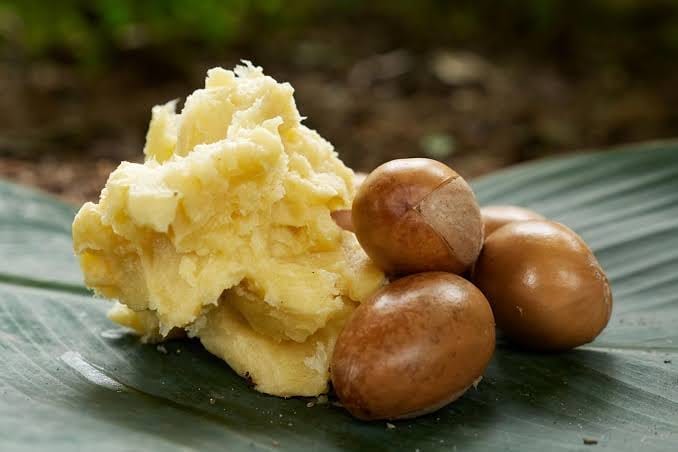
What is the origin of shea butter? It comes from the shea tree, Butyrospermum parkii, also known as Vitellaria paradoxa. Considered a sacred tree, the shea tree is native to Central Africa.
Shea butter is derived from the nuts found in the tree by removing the outer shell. The nuts are manually crushed to be slowly roasted into butter.
Once this is done, the butter is manually kneaded in a large basin with water to separate the oils, known as fatty acids. These fatty acids are what provide the restorative properties, making it one of the best options for skin care and more. To obtain the final product, shea butter is removed from the surface and cooled until it solidifies.
Butyrospermum parkii has been used topically for centuries, and some believe that unrefined shea butter was even used by Cleopatra and the Queen of Sheba! Today, shea butter for skin and hair is extremely popular, which is why you will find it so frequently as an ingredient in cosmetic products.
Is shea butter edible? The pure variety is edible and, in African countries, is often used in food preparation along with other oils. Sometimes, raw African shea butter is used in place of cocoa butter, but if you compare the tastes of shea butter to cocoa butter, they are quite different. Shea offers a mild, nutty flavor.
Composition of shea butter
Raw shea butter is rich in stearic and oleic acids, as well as vitamins E and A, which provide many benefits. The oil from the shea tree’s fruit contains approximately 45-50% oleic acid, 30-41% stearic acid, 5-9% palmitic acid, and 45% linoleic acid. The best shea butter is extracted using cold-pressed methods, without the addition of chemicals or preservatives.
Butyrospermum parkii has a smooth texture and does not liquefy at room temperature; however, it will soften in your hands, making it easy to apply. Containing vitamins A and E, it has relatively high amounts of saturated fatty acids compared to other plant-derived lipids, such as grape seed oil, olive oil, and canola oil.
The Food and Drug Administration (FDA) in the United States includes shea nut oil on its list of safe food substances. Although it is more commonly found in beauty products, shea butter is also present in a variety of sweets and chocolates as a substitute for cocoa butter.
Health benefits
1. Anti-inflammatory moisturizer for skin
Shea butter for moisturizing the face and body is by far one of the most important uses of this natural ingredient. Too many skin care products contain unhealthy synthetic ingredients. In contrast, Butyrospermum parkii is a natural ingredient that acts as an amazing skin moisturizer.
Additionally, it is anti-inflammatory! A study published in the Journal of Oleo Science (USA) reports that shea nuts and shea fat (shea butter) help reduce inflammation. Furthermore, both shea nuts and butter contain anti-tumor compounds known as triterpene esters (which are also found in the bark).
2. Provides anti-aging properties
Maintaining the natural moisture content of the skin is a priority if you want to reduce visible signs of aging, and Butyrospermum parkii is an excellent moisturizer.
Raw shea butter can encourage cell regeneration, tissue repair, and skin softening, which can help reduce the appearance of fine lines and wrinkles. The American Journal of Life Sciences reported a clinical study involving 30 volunteers in which shea butter diminished various signs of aging. In another clinical study for dry, sensitive, or aging skin, 49 volunteers applied shea butter twice a day and found that it prevents photo-aging. It is no wonder that you can often find shea butter in many natural anti-aging face products.
3. Hydrates both the scalp and hair
You can also use shea butter for hair and scalp conditions. When used topically, it helps seal in moisture, condition the scalp, alleviate dryness, and provide overall protection against harsh climates.
Simply warm the shea butter in your hands to soften it and massage it well into your hair and scalp. For best results, leave it on for 20-30 minutes. Then, wash, shampoo, and apply conditioner as usual. In addition to the moisturizing benefits of shea butter for hair and scalp, it can also provide volume when applied just to the roots.
4. Soothes windburn, sunburn, and dry winter skin
Raw shea butter is perfect for helping to alleviate winter skin dryness. Its moisturizing qualities penetrate deep into the skin, providing multiple hydration benefits while simultaneously preventing windburn. It is ideal for chapped and dry skin and, in general, for rough skin.
Shea butter is a much healthier and nourishing choice, as most sunscreens are filled with harmful chemicals that penetrate the skin and into our bodies. While the SPF of this sunscreen cream is only about 6, it can provide some protection in a more natural way and is perfect under makeup. Butyrospermum parkii is also great for application if you have a sunburn.
5. May reduce stretch marks
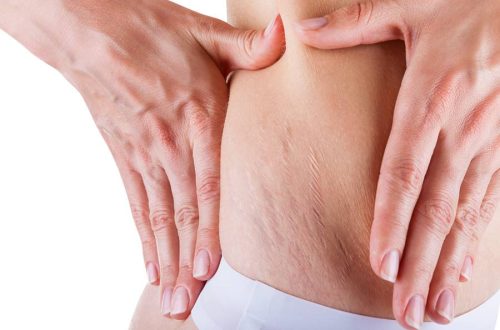
While many believe that treatments with Retin-A and laser are the only way to diminish stretch marks, raw shea butter can help with its natural vitamin A content.
Due to its amazing healing properties and moisturizing qualities, shea butter can reduce the appearance of stretch marks and other scars. Some people also use it to naturally improve the appearance of cellulite by smoothing and softening the skin.
6. Prevents diaper rash for babies
Shea butter is a great ointment for diaper rash for your baby, due to its anti-inflammatory and antifungal properties, which can help combat irritations and fungi. Raw shea butter can help improve blood circulation, promoting cellular regeneration while simultaneously providing improved collagen production.
Both cellular regeneration and collagen production are important for the rapid healing of diaper rashes. Since most babies are exposed to a large number of chemicals through the many products found on shelves, this is the perfect DIY solution for diaper rash to help avoid those chemicals and ensure comfort and quick healing for your child.
Uses
Wondering how to use shea butter on your face, hair, and maybe even in your next meal? In fact, you can use shea butter instead of regular butter or olive oil in recipes. It is also very easy to make your own skin care products right at home. Raw shea butter is gentle enough to be used daily and is perfect for many uses, from facial creams and body lotions to lip balms and even shaving cream.