What helps to quickly relieve constipation? While a range of prescription medications are available to treat this condition quickly, not all are considered safe. Instead, there are natural laxatives that can work just as well.
Natural laxatives, in the form of certain foods, drinks, and herbs, have been used for medicinal purposes to alleviate constipation for over 2,000 years.
People have always known that bowel evacuation is necessary for good health, but in today’s fast-paced society, a poor diet, stress, or frequent travel can hinder good digestion.
Who can benefit from natural laxatives?
Today, there are dozens of different laxatives available on the market to help those who frequently suffer from constipation—from herbal teas and detox tinctures to pills and enemas. Technically, there are several types of laxatives that act in various ways, including: stimulant agents; saline and osmotic products; bulk-forming agents; and surfactants.
However, natural laxatives (such as plain water) will often do the job without many of the unpleasant side effects that prescription laxatives can cause.
It is important to realize that while prescription laxatives may help resolve short-term constipation symptoms, they do not address underlying digestive issues. In fact, they can exacerbate the problem even further. They can cause unwanted and dangerous side effects and can even lead to dependency, as the body begins to rely on them over time to function properly.
Our bodies have an amazing natural ability to cleanse and detoxify themselves—we just need to provide the right nutrients and hydrating fluids.
Short-term or chronic constipation can arise from several different reasons, including:
consuming a diet low in both insoluble and soluble fiber
dehydration
stress
lack of sleep
What is considered normal when it comes to bowel regularity? Most experts agree that it is important to go to the bathroom at least three or more times a week, at a minimum. However, the number of bowel movements someone should have each day/week varies from person to person, so there is no specific number that is considered completely normal and healthy.
The Best Natural Laxatives
Most foods that promote regular bowel movements do not work immediately but rather help maintain long-term regularity. Here are the best natural laxatives to incorporate into your daily or at least weekly diet:
1. Fiber
Most adults and children could benefit from eating more fiber. While increasing the intake of fiber-rich foods may not resolve all cases of constipation, it is certainly one of the first steps to take.
What is considered a fiber-rich diet? Aim to consume between 25-40 grams of fiber per day.
Adult men/older individuals need a higher amount than women and younger individuals. You should always aim to obtain fiber from natural (unprocessed, whole) food sources whenever possible, as opposed to artificially created fibers found in bars, shakes, etc. that are processed with high fiber content.
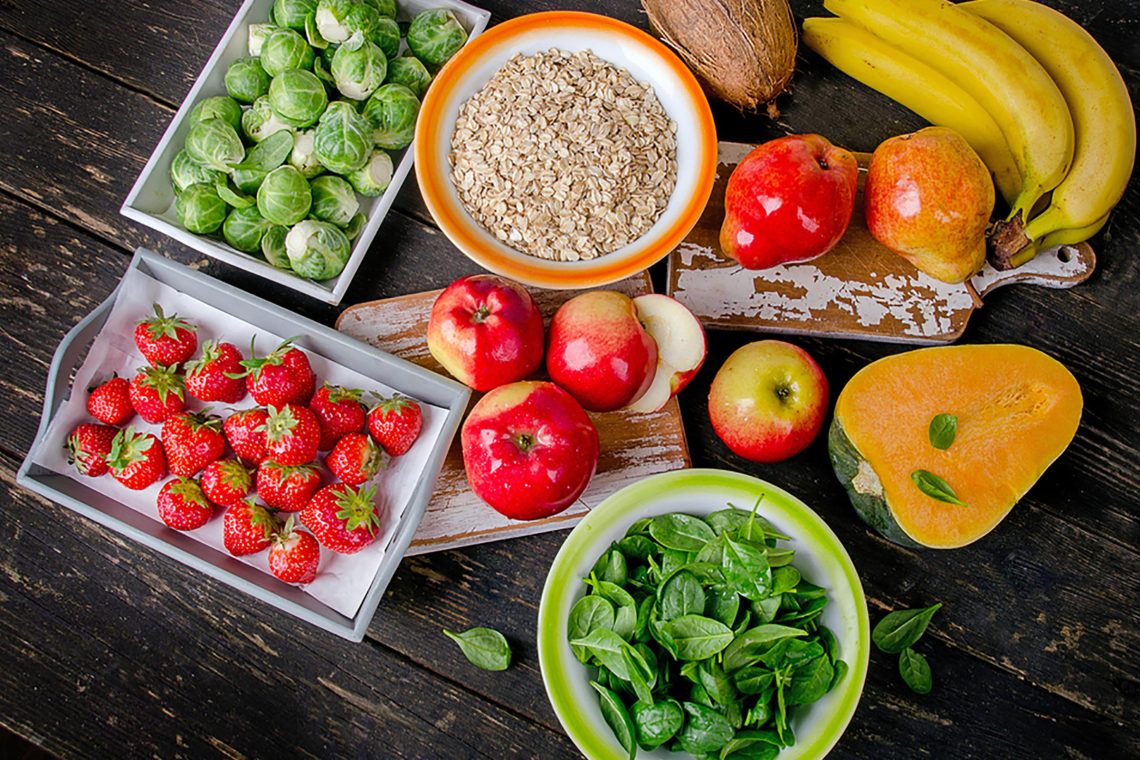
Fiber-rich fruits and vegetables include:
Avocado
Pears
Berries
Figs
Peas
Okra
Brussels sprouts
2. Water
The benefits of drinking water are legendary but often overlooked. Your kidneys and liver need water to cleanse the blood, produce urine, and yes, to help your body eliminate waste.
When you drink water, you are less likely to suffer from constipation and diarrhea, which can be exacerbated in some cases of dehydration. Increase your water intake to keep things moving. The Institute of Medicine in the United States recommends between 9 and 13 cups per day for adults.
3. Probiotic Foods
Probiotics are good bacteria in the gut that can help balance out different types of bad bacteria. They help create a healthy environment in the gut microflora and can help protect you from digestive issues, including constipation or diarrhea.
Probiotic foods include kefir, kombucha, sauerkraut, kimchi, and probiotic yogurt.
Just make sure that when you buy dairy products, you always choose organic products, as they are easier to digest, such as goat milk products, organic kefir, raw dairy products, or dairy that does not contain A1 casein. Pasteurized/homogenized dairy of low quality or too much dairy in general (especially if someone has symptoms of lactose intolerance) can cause inflammation and contribute to digestive dysfunction.
4. Aloe Vera
Some would say aloe vera is one of the oldest and best-researched natural laxatives that exist.
Sometimes referred to as aloe latex, this substance is full of enzymes, vitamins, minerals, and electrolytes that help soften stools and heal the gut. For example, anthraquinones are a type of compound found in aloe that acts as a laxative by increasing the water content in the intestines, stimulating mucus secretion, and naturally increasing intestinal peristalsis (the contractions that break down food).
Aloe vera latex also has anti-inflammatory components that reduce swelling and improve the function of digestive organs, facilitating the passage of bowel movements. Some of the other benefits of aloe vera include its ability to help normalize acid/alkaline balance and pH, reduce fungal growth, and encourage the growth of good digestive bacteria.
For constipation, take 100-200 milligrams of aloe vera per day.
5. Chia Seeds
One of the benefits of chia seeds is their ability to absorb water in the gastrointestinal tract and therefore act as a natural laxative.
Chia seeds provide 10 grams of fiber per 30-gram serving. They combine with liquid to form a gel-like substance that moves easily through the intestines. As an excellent way to increase fiber in your diet, chia seeds swell and expand in the digestive tract, absorbing liquids. They are best for constipation when you also increase your liquid intake, helping to move things along through the intestines.
Consume between one and three tablespoons per day. To get the maximum nutrients from the food and to maximize the potential benefits of chia seeds, try soaking them before adding them to a recipe or smoothie. Mix them in a 1:10 ratio of chia to water and let them sit for 30 minutes to two hours. This means about one and a half tablespoons of chia seeds in a cup of water.
6. Flaxseeds
Flaxseeds are an excellent source of fiber, which adds bulk to the stool and helps it pass through the intestines. They provide about 3 grams of fiber per tablespoon. As an added bonus, flaxseeds work to treat both constipation and diarrhea, according to research studies.
They are virtually tasteless, and one of the benefits of flaxseeds is that they are easy to incorporate into recipes you are already making, such as oatmeal, baked goods, and smoothies.
To get the most health benefits, experts usually recommend ground flaxseeds instead of whole flaxseeds. Consume 2-3 tablespoons per day.
Don’t forget that whenever you eat a lot of fiber, you need to ensure you drink plenty of water, as a high amount of fiber without enough hydrating liquids can lead to even more problems in the bathroom!
7. Greens
Not only an excellent source of fiber, greens such as spinach and kale also provide a lot of magnesium. Magnesium is an electrolyte that has the natural ability to soften stool safely and help draw water into the intestines.
Without enough magnesium, it can be difficult for stool to move through your system, especially since magnesium is a natural muscle relaxant that can help stop cramps in the abdomen. If you notice that increasing magnesium-rich foods causes your stool to become too soft and watery, you can adjust your intake until it is comfortable and returns to normal.
8. Psyllium Husk
For those with severe constipation, additional fiber intake in the form of psyllium is recommended by scientific studies over magnesium-based laxatives, which should be avoided due to potential toxicity.
When combined with water or another liquid, psyllium husk swells and produces more bulk, which stimulates the intestines to contract and helps speed up the passage of stool through the digestive tract. Psyllium has also been shown to be superior to sodium docusate for softening stools by increasing the water content in the stool and has a greater overall laxative efficacy.
For adults and children over 12 years old, 1 tablespoon of psyllium husk powder mixed in a liquid of choice 1-3 times a day.
9. Coconut Water
Coconut water is good for you for several reasons—not only does it taste great as an alternative to sugary drinks, but it also helps maintain healthy electrolyte levels, preventing dehydration and cleansing the urinary tract.
For centuries, coconut water has been used for natural hydration due to its high electrolyte content, especially potassium (which provides 12% of the daily value for each cup). Because it tastes great, it is one of the best natural laxatives for children.
In fact, coconut water can be so soothing for constipation that some people find that drinking too much makes their stools too loose, so they start slowly.
10. Senna Tea
Senna leaves, fruits, and pods have been used for centuries in tea form as a purgative or natural laxative. Senna tea is approved as a laxative without a prescription.
In controlled studies, it has been shown that senna softens stools while increasing the frequency and weight of bowel movements.
How long does it take for a senna laxative to work? On average, it takes about eight hours, but it can usually take anywhere from six to 12 hours. A common recommendation is to drink senna tea before bed to relieve constipation the following morning.
The most common potential side effects are gastrointestinal upset, but these can often be avoided if you do not take more than the recommended dose and do not use any senna product for more than a week at a time.
11. Prune Juice
We couldn’t consider this a complete list without this classic natural laxative. Prune juice has long been regarded as an effective fighter against constipation, especially in the elderly population. The Cleveland Clinic in the United States recommends daily consumption of prune juice as part of a diet to prevent constipation.
At least one reason for this improvement involves the fiber in prune juice. This insoluble fiber feeds the healthy bacteria in your digestive system, which are responsible for digestive health.
Final Thoughts
Over-the-counter laxatives are among the most commonly used non-prescription medications. They can be effective remedies for short-term constipation but carry risks for side effects such as dependency, dehydration, bloating, diarrhea, electrolyte imbalance, and more.
For otherwise healthy adults, it is likely okay to take laxatives from time to time, such as when traveling or if you have a short-term stomach illness. If you feel you need to take a laxative, try a gentler, natural product like castor oil.
Certain foods, drinks, and herbs can facilitate bowel passage and prevent constipation without posing a high risk of side effects. Therefore, a healthy diet may be the best natural laxative available to you.
Fruits, greens, and other vegetables, seeds, certain herbs, and probiotic-rich foods can all serve as home remedies when it comes to softening stools and alleviating constipation. By focusing on consuming real, whole foods, you will obtain both soluble and insoluble fibers, along with important electrolytes, vitamins, and minerals that your digestive system relies on.
Want to know how to quickly relieve constipation at home? Try natural laxatives that work quickly for relieving constipation, which include: aloe vera, greens, chia and flax seeds, fiber-rich fruits, probiotic foods, and coconut water.
Also, make sure to drink plenty of water/liquids when consuming natural laxatives, as they work with fiber-rich foods to help soften stools.




