Although most people do not realize it, their favorite skin care products can significantly expose them to harmful ingredients, toxins, and chemicals. This is the real price of beauty, but you can avoid chemical options by using natural skin care ingredients.
In fact, most store-bought beauty products are filled with artificial colors, fragrances, preservatives, and stabilizers. These can be absorbed through the skin’s pores, potentially causing a range of negative health effects.
The chemicals found in beauty products can be harmful throughout their entire life cycle, from the way they are produced and used by consumers to disposal methods, plus their negative impact on the environment.
What does this mean for your beauty routine? The good news is that there are plenty of healthy beauty products available for the skin, not to mention hair, nails, and more. Most natural skin care ingredients are inexpensive and do not harm overall health, unlike some commercial products.
Women around the world have been using natural skin care products for centuries, and many have admirable skin.
What is natural skin care?
Natural skin care uses ingredients found in nature, such as certain herbs, flowers, roots, fruits, and other plants.
There are more natural skin care products available now than ever before, and their long list of benefits extends beyond just beautiful-looking skin. When you regularly use such natural products, you not only beautify your skin but also absorb antioxidants, improve skin resistance to UV rays, and stimulate your immune system.
According to a study published in the journal Biogerontology (USA), natural anti-aging ingredients, which essentially follow hormetic pathways, may be useful as moisturizing agents; barrier repair agents; antioxidants, vitamins, hydroxy acids, skin brightening agents, anti-inflammatory ingredients, and sun protection ingredients.
Research shows that a variety of plants contain phytomolecules, amino acids, and fatty acids that protect our skin, including compounds such as polyphenols, triterpenes, and sterols, carnosic acid, rosmarinic acid, polyunsaturated fats, and many others.
Applying whole, unprocessed food ingredients—many of which you probably already have and know in your own kitchen—will make you love your skin, even if you are someone with sensitive skin or have struggled in the past with difficult skin issues.
The Hidden Toxicity of Most Beauty Products
Store-bought skin care products typically contain irritating ingredients and chemical fragrances that are linked to all sorts of potential problems—from hormonal issues, irregular menstrual cycles, and infertility to allergies and even cancer.
One of the most significant consequences of exposure to accumulated toxins from artificial skin care products is hormonal imbalance, as many products contain hormone disruptors.
These external or exogenous hormones found in commercial products are substances produced outside the body that can trigger or affect hormones within the body. They include synthetic, patentable hormones that negatively affect the endocrine system and can impact a woman’s menstrual cycle and fertility, as well as hormone levels in men.
Often referred to as endocrine disruptors, some of the molecular structures of these chemicals resemble natural estrogen so closely that they fit into the same receptors in the body. They either bind to these receptors so that your own hormones do not function as they should or activate and deactivate genes, amplifying the negative aspects of estrogen, or they travel to the cell nucleus, where they exert a negative effect on chromosomes or DNA.
Regulation of cosmetic and personal care products is minimal. There is only a simple approval process for a product to be approved for commercial use.
Most labels on store-bought skin care products can be downright frightening! There are thousands of chemicals in your products, and they are usually absorbed directly into your body. There are few reviews or government approvals, as the skin care industry is highly unregulated.
Most skin care and beauty products, including cleansers, moisturizers, serums, and anti-aging exfoliants, use inorganic compounds and petroleum-based gels. Mineral oils are not naturally harvested from plants. When an ingredient is made with chemicals, it actually clogs the pores. Your skin loses its natural ability to eliminate toxins, leading to increased acne and signs of aging.
Some harmful chemicals used in store-bought products include parabens (used for preservation), synthetic colors (derived from petroleum sources or coal tar), fragrance (which is associated with allergies and respiratory issues), toluene, and sodium lauryl sulfate (which can cause kidney and respiratory damage).
Applying chemicals to the body limits the skin’s natural healing processes. The body’s immune system, eye health, and respiratory system can be affected by harmful chemicals and unhealthy additives. Additionally, many of these chemicals are skin irritants, leading to red, dry, and flaky skin.
Not all skin care ingredients that are somewhat processed or refined are bad. For example, ingredients like hyaluronic acid (found in moisturizers and serums) and salicylic acid (an anti-inflammatory and antibacterial agent found in acne products) can both support skin health if used in products that do not contain irritating additives.
The Best Skin Care Ingredients
Buying skin care products can be difficult these days, with so many different options available and endless lists of hard-to-pronounce ingredients.
When looking for skin care products, follow the same rules you would for a healthy diet: Look for unprocessed ingredients without harsh chemicals or anything artificial. Essentially, the closer a natural skin product is to nature, the better your skin will know what to do with its beneficial ingredients.
1. Coconut Oil
One of the most versatile ingredients for skin (and food) that exists, the skin benefits of coconut oil include:
strengthening the underlying epidermal tissue
removing dead skin cells
protecting against sunburn
having antibacterial, antiviral, antifungal, and antioxidant properties
Research shows that it is even strong enough to fight certain chronic skin diseases characterized by defects in epidermal barrier function and skin inflammation, including atopic dermatitis.
Use coconut oil both on your skin and hair as a natural moisturizer. It works best for dry or combination skin types, unlike oily skin. It also helps heal the skin and can remove makeup, aids in faster healing of wounds or scars, and prevents irritation.
Coconut oil used internally is also beneficial for your appearance. It contains antibacterial and anti-inflammatory properties, plus a lot of healthy fats that help nourish the gut and boost immune function.
2. Tea Tree Oil
Tea tree (Melaleuca alternifolia) has been used for hundreds of years in Australia, where this plant is native, to combat rashes, acne, and skin inflammation.
While many people react harshly to typical acne treatment ingredients, such as acids, tea tree oil is usually well tolerated and has few, if any, side effects.
Uses of tea tree oil include functioning as a natural anti-inflammatory, antibacterial, antimicrobial, and antifungal, and its phytochemicals make it one of the most versatile and popular natural skin care products.
The volatile essential oils of tea tree come from about 230 different species of plants, almost all of which are native to Australia. The primary active ingredients responsible for its ability to reduce harmful bacteria include terpenoid hydrocarbons, monoterpenes, and sesquiterpenes.
If your skin type is prone to breakouts, tea tree oil can be an effective home remedy for acne.
Research has identified over 100 different chemical components and volatile hydrocarbons that are considered aromatic and capable of penetrating through the air, skin pores, and mucous membranes to provide healing benefits.
3. Apple Cider Vinegar
An extremely versatile and inexpensive natural skin care product, the benefits of apple cider vinegar include killing pathogens (such as bacteria), healing skin issues caused by gut problems, soothing the skin, and helping to stop acne, plus providing antifungal properties.
The use of apple cider vinegar for skin issues dates back to Hippocrates (460-377 B.C.), who is considered the father of modern medicine.
It also contains highly beneficial acetic acid and certain vitamins such as potassium and magnesium, which make it a detoxifying agent when consumed internally, as it stimulates liver function and helps balance gut bacteria.
4. Raw Honey
Raw honey is one of the best natural sources of nutrients, enzymes, vitamins, and acids that stimulate the skin. The benefits of raw honey include:
reducing breakouts
providing moisturizing properties
having antiseptic qualities
speeding up wound healing
combating allergies or skin rashes
contributing to scar reduction
Raw honey is unheated, unprocessed, and unpasteurized, unlike most honey available in grocery stores. Therefore, it retains all its nutrients, as they are not destroyed through processing.
As an antimicrobial, honey is particularly suitable as a dressing for wounds and burns. It has also been included in treatments used for bacterial infections, such as acne, diaper dermatitis, psoriasis, and many others.
Honey is also an excellent natural skin care product for acne, as it can be used in facial cleansers, even on sensitive or combination skin types.
5. Sea Salt
Sea salt is loaded with tons of minerals and nutrients, such as magnesium, calcium, sodium, and potassium, which it absorbs from the seawater where it is produced. Many of these minerals are the same ones found in skin cells and our bodies, which is why real sea salt can help balance, protect, and restore the skin.
Use real sea salt in facial scrubs, toners, and homemade exfoliants with other skin-stimulating ingredients like coconut oil, lavender essential oil, and raw honey. Salt has anti-inflammatory properties to soothe the skin and calm rashes, remove dead skin cells and irritations, balance oil production, and help the skin maintain moisture levels.
6. Avocado
If you have dry skin, avocado is surely your friend. An ultra-hydrating fatty fruit, the benefits of avocado include providing healthy fatty acids plus vitamins A, D, and E that are capable of penetrating the skin.
It helps soothe sunburned skin and can stimulate collagen production and help treat age spots. It also works to reduce skin inflammation when applied topically and can do the same internally when consumed.
For anti-aging benefits, try it in homemade face masks, followed by an eye moisturizer.
7. Lemon Essential Oil
With its powerful antibacterial constituents capable of reducing even dangerous strains of bacteria, lemon essential oil can be used to diminish acne flare-ups caused by a high level of bacteria trapped in pores. It is also useful for fading scars and age spots, can exfoliate, brighten the skin, tone oily skin, and combat wrinkles.
Additionally, lemon oil is one of the most versatile essential oils you can have on hand, as it can be used as a teeth whitener, laundry freshener, cellulite cream, face scrub, and household cleaner. Mix it with a carrier oil like jojoba oil and massage it into problem areas of the skin. You can also use it on hair to enhance shine and remove residue.
8. Argan Oil
Originating from Morocco and used there for generations, argan oil is healing because it is rich in vitamin A, vitamin E, various antioxidants, omega-6 fatty acids, and linoleic acid. These give it natural anti-aging properties; plus, it is not only excellent for gently hydrating the skin but also enhances the shine and health of your hair.
Apply a small amount of pure argan oil directly to normal or troubled skin twice a day to help treat irritations such as acne, insect bites, eczema, dryness, and psoriasis.
9. Aloe Vera
Most people associate the benefits of aloe vera with healing sunburns, but did you know that aloe contains ingredients that fight bacteria, inflammation, aging, and dryness? For centuries, aloe has been used to treat skin diseases, infections, and as a natural remedy for fungal diseases in traditional Chinese medicine.
Aloe vera is considered to be the most biologically active form of the species Aloe barbadensis Miller and contains over 75 potentially active ingredients, including anti-inflammatories, vitamins, minerals, sugars, amino acids, fatty acids, enzymes, lignin, and salicylic acids. These are what give aloe its antimicrobial and antifungal properties, making it a photodynamic therapy for skin support; additionally, it may have anti-aging effects due to its ability to support a healthy skin barrier.
Research results suggest that aloe vera is effective for burns and wound healing, but surprisingly, it detoxifies you from the inside out—so much so that when taken orally, aloe can even reduce the number and size of tumors and parasites in the liver, spleen, and bone marrow.
Aloe vera plants produce two substances used in medicine: the gel found in the cells at the center of the leaf and the latex obtained from the cells beneath the leaf’s skin. These can be used as a natural skin care remedy for burns, frostbite, psoriasis, and cold sores.
10. Jojoba Oil
One of the most commonly used carrier oils, jojoba oil is extremely moisturizing and can help treat burns, wounds, scars, dermatitis, acne, psoriasis, and wrinkles. Native to the southern U.S. and Mexico, it is also used to reduce alopecia, as it encourages hair growth, soothes the skin, and unclogs hair follicles.
When it comes to the chemical structure of jojoba oil, it is unique in that it is a polyunsaturated wax. As a wax, jojoba is particularly useful for protecting the skin, acting as a natural moisturizer and soothing the scalp.
11. Almond Oil
You probably already know about the numerous nutritional benefits of almonds, but it has many benefits for the skin as well. Not only does it smell great, but it has anti-inflammatory, antiviral, antibacterial, and antiseptic properties.
It is an excellent ingredient in serums or carrier oils for essential oils that naturally treat skin rashes, acne, or dryness. It also blends easily with many different scents, so try it in masks, homemade lotions, and more.
12. Shea Butter
Shea butter has been used as a natural skin care product in Africa for hundreds of years, where it is still grown extensively and delivered worldwide today. It is an excellent moisturizer for dry skin types and is inexpensive yet effective in reducing flakiness or dryness.
It is safe to use around the eyes and is a good addition to natural eye creams and nighttime moisturizing lotions.
13. Castor Oil
Used for cleansing the skin, castor oil is actually a drying oil, even though this may seem counterintuitive. For facial cleansing, you only need to use a very small amount to reduce accumulated bacteria that can contribute to breakouts.
14. Vitamin C Extract
Vitamin C is an essential nutrient that acts as an anti-aging antioxidant, helping to protect against oxidative stress and free radical damage that can lead to dark spots and fine lines. You will find this extract in facial serums and moisturizers that are meant to brighten and tone dull or uneven skin tones.
Vitamin C can also help regulate sebum (oil) production to prevent acne and reduce inflammation.
15. Witch Hazel
Witch hazel comes from the Hamamelis plant and is used to make a toning solution. It has been a natural skin care base and home remedy for various skin issues for centuries, such as blemishes and insect bites.
It helps control oil and normalizes skin hydration while fighting bacteria. It can also help reduce irritation, swelling, and redness associated with acne.
16. Cocoa
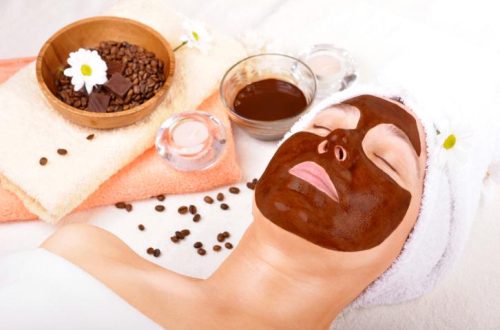
Real, unprocessed cocoa powder is full of antioxidants, minerals, and healthy fats. It can help restore skin moisture and combat dryness while providing protection against free radical damage that can age the skin. Use it in face masks for an added glow to the skin.
17. Beeswax
Pure beeswax is a substance derived from worker bees that make honeycomb. It is commonly used for lowering cholesterol and also for relieving pain, swelling, and inflammation.
It acts as a humectant, meaning it helps create a protective layer on the skin that retains moisture and blocks irritants. Studies have found that it can be used alongside other natural skin care products, such as botanical oils and witch hazel, to treat rosacea.
18. Cucumber
Cucumber contains enzymes and active compounds that help reduce swelling and combat allergies. Cucumber slices can be placed under the eyes to soothe delicate skin and help with hydration.