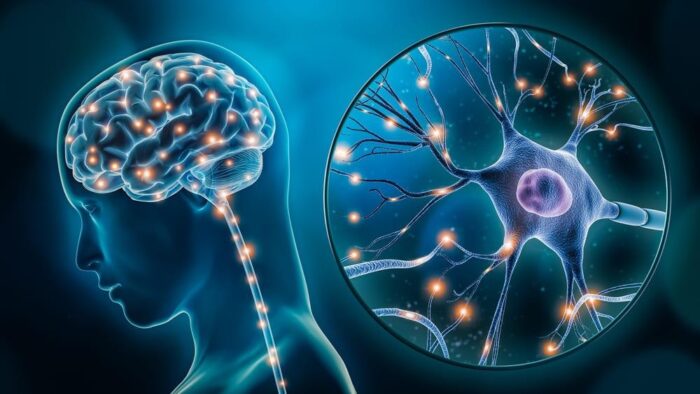
In a world where stress and fatigue seem to be omnipresent, maintaining the health of the nervous system has become an essential priority. Although the body requires a complex of nutrients to function optimally, a central role in supporting nerves, memory, and emotional balance is held by vitamin B12, considered by many specialists to be the best vitamin for the nervous system.
Benefits of Vitamin B12 for the Nervous System
1. Protects Myelin and Nerves
Vitamin B12 is essential in forming the myelin sheath, the protective layer that covers nerve fibers. Without sufficient intake, myelin deteriorates, leading to slowed transmission of nerve impulses and the appearance of symptoms such as tingling, numbness, or even paresis. Studies published by the National Institutes of Health have demonstrated that supplementation with vitamin B12 can restore myelin and significantly improve the functioning of peripheral nerves.
2. Reduces Neuronal Inflammation
Recent research shows that vitamin B12 has a direct anti-inflammatory effect on nervous tissue. A study published in the Journal of Neuroinflammation (2021) indicated that a deficiency in B12 can lead to chronic inflammation in the brain, increasing the risk of neurodegenerative conditions such as Alzheimer’s or Parkinson’s.
3. Prevents Mental Fatigue and Brain Fog
A lack of vitamin B12 can lead to difficulties in concentration, lack of mental clarity, and decreased memory capacity. A study conducted in 2020 on 200 patients with B12 deficiency showed a significant improvement in cognitive performance after just 3 months of supplementation.
4. Combats Anxiety and Depression
Vitamin B12 contributes to the synthesis of neurotransmitters serotonin and dopamine, which are essential for emotional balance. According to the American Journal of Psychiatry, low levels of B12 are frequently associated with depressive disorders, and B12 therapy can significantly improve mood.
5. Supports Cellular Regeneration
Vitamin B12 aids in the formation of DNA and cellular regeneration throughout the body, including within the nervous system. Proper regeneration of neurons and synapses is essential for a healthy brain, especially after the age of 40.
Natural Sources of Vitamin B12
Vitamin B12 is primarily found in animal-derived products:
- Beef liver
- Fish (salmon, tuna, sardines)
- Eggs
- Dairy products
- Aged cheeses
For vegetarians or vegans, supplements in the form of methylcobalamin, the most easily absorbable form of vitamin B12, are recommended.
Vitamin B12 Deficiency: Warning Signs
Some of the most common symptoms of B12 deficiency include:
- Tingling in hands and feet
- Chronic fatigue
- Memory disturbances
- Irritability and apathy
- Pallor
- Soreness of the tongue or mouth
Blood tests can confirm a deficiency, and doctors often recommend intramuscular injections or oral supplements.
Contraindications and Precautions
- Individuals with liver or kidney conditions should consult a doctor before taking supplements.
- Excessive B12 is rare, but in some cases, it can cause mild allergic reactions (rashes, headaches).
- Long-term supplementation should be medically monitored, especially in individuals with cancer, as B12 can stimulate cell division.
Sources:
- Vitamin B12 Deficiency and the Role of Methylcobalamin Journal of Clinical Neurology, 2021
- Neuroprotective Role of B12 in the Central Nervous System Neuroscience Letters, 2022
- B12 Supplementation and Cognitive Decline in Older Adults The Lancet Healthy Longevity, 2020
- Vitamin B12 Deficiency and Depression in Adults American Journal of Psychiatry, 2023




