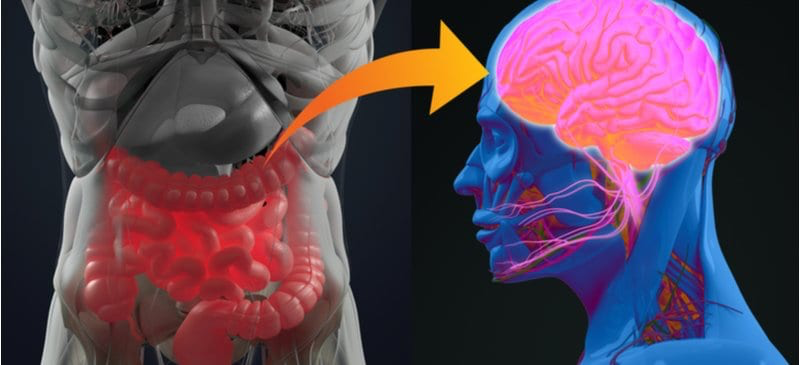
The more we learn about the human gut or the gut microbiome, the clearer it becomes that it is truly our second brain. Science tells us that the connection between the gut and emotions is extremely strong.
What is the gut-brain connection?
The microbes in the gut play an important role in the functioning of the human body. The gut microbiome is responsible for daily functions, including digestion and nutrient absorption.
The gut and brain operate in a bidirectional manner, meaning that gut health can affect stress, anxiety, depression, and cognition.
Scientific studies show that the gut houses the enteric nervous system (ENS). Separate from the central nervous system, the ENS consists of two thin layers with over 100 million nerve cells in them—more than the spinal cord.
These cells line the gastrointestinal tract, controlling blood flow and secretions to help the gastrointestinal tract digest food. They also help us feel what is happening inside the gut, as this second brain is behind the mechanics of food digestion.
Because this second brain is so complex, scientists are not convinced it was designed solely to aid digestion. So, even though it is not capable of thoughts, it communicates with the brain in significant ways.
Impact on Depression
The gut microbiome appears to play a role in depression. Healthy microflora has been shown to benefit mental health by improving the microbiome content in the gastrointestinal systems.
Researchers have found that healthy gut microflora sends signals to the brain that are involved in the formation of brain neurons and the control of behavior. They have also demonstrated that inflammation affects the brain and how someone thinks, which explains why more than 20% of patients with inflammatory bowel diseases exhibit depressive behaviors.
One study illustrated how the gut and brain are connected by studying the effects of probiotics on patients with irritable bowel syndrome and depression. Researchers found that twice as many patients reported improvements in depression when taking a probiotic compared to those who took a placebo.
With an improvement in gut health came an improvement in mental well-being.
Studies show that patients with inflammatory diseases are predisposed to depression. The theory is that a disruption in the pathways involved in the gut-brain axis is responsible for this phenomenon. Research indicates that inflammation leads to depression, and depression exacerbates cytokine responses, creating a vicious cycle.
Impact on Anxiety
Research shows that stress is closely linked to our guts, thus demonstrating the gut-brain connection. We know that gut health influences anxiety and the body’s response to stress as part of the brain-gut connection.
Our body responds to stress with a fight or flight system, related to our cortisol levels, which we know is governed by the hypothalamic-pituitary-adrenal axis.
Typically, if you find yourself in a stressful situation that is then resolved, your body returns to normal. However, if you are constantly stressed, your body gets stuck in that fight or flight phase for an extended period.
The critical part is that our body cannot distinguish between physical and mental stress. Thus, your body responds in the same way if a bear appears in your path, just as it does when you realize you are late for work and try to combat stress.
This constant state of stress causes chronic inflammation. The body reacts to stress as a type of infection and tries to overcome it.
Since inflammation is at the root of many diseases, this prolonged exposure to stress can have serious consequences for your health, ranging from high blood pressure to autoimmune disorders. The types of bacteria found in the gut—good bacteria—play a role in how our immune responses are regulated.
Natural Ways to Improve the Gut-Brain Connection
While there is still much to discover about the mystery of the gut and everything that affects it, we are sure of a few things you should do to improve the gut-brain connection.
1. Avoid Processed Foods
To start, a diet based on unprocessed foods leads to a healthier gut.
Added sugars found in these foods, often disguised in various types of artificial sweeteners, are responsible for a variety of health issues, from obesity to type 2 diabetes or migraines.
2. Consume Probiotics
Eating foods rich in probiotics, such as kefir and sauerkraut, can also help your gut and mood thrive. Probiotics are good bacteria responsible for nutrient absorption and supporting the immune system.
3. Cut Out Gluten
For many people, limiting gluten will have a positive effect on the gut microbiome. Traditional methods of soaking, sprouting, and fermenting grains and seeds to make them digestible and nutritious have been abandoned for a quick and convenient mass production method of food.
4. Eat Healthy Fats
Healthy fats are essential for brain development. Olive oil, for example, contains a high amount of antioxidants that protect cells from damage. It also helps improve memory and cognitive function and acts as an anti-inflammatory.
The benefits of avocado range from protecting the heart to aiding digestion, but it is also an excellent choice for improving mood.
5. Eat Mushrooms
Mushrooms are abundant in vitamin B6. Since vitamin B6 influences the production of serotonin and neurotransmitters, adequate levels of B6 are associated with a positive mood and natural stress reduction.
It has also been shown to effectively treat mood disorders, such as depression, in animal research.
6. Eat Nuts
Grab a handful of nuts, such as almonds, cashews, walnuts, and Brazil nuts. Why? Research shows they are packed with serotonin, a chemical that gives you a sense of well-being.
7. Consume Sesame Seeds
The benefits of sesame seeds come from tyrosine, an amino acid that increases dopamine levels in the brain.
While we do not yet have all the answers regarding the gut-mood connection, one thing is certain: the physical body and emotional state are much more connected than you think.




