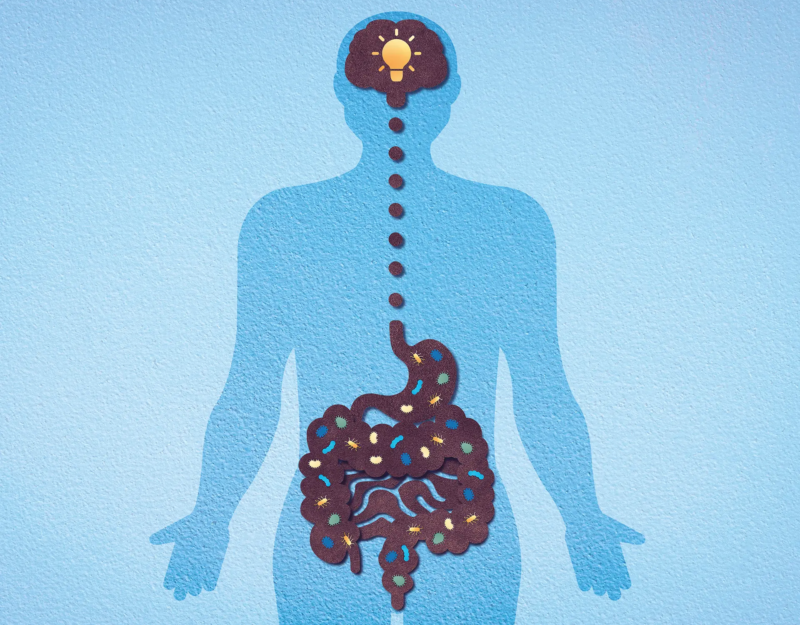
Mental health is not solely controlled by the brain. In the last decade, research has shown that the gut plays an essential role in emotional, cognitive, and neurological balance. More specifically, the gut is in constant communication with the brain through a complex network of nerve signals, hormones, and biochemical pathways known as the gut-brain axis. At the center of this relationship is the gut microbiota, composed of trillions of beneficial bacteria. When this microbiota is balanced, not only does digestion function well, but so do sleep, memory, concentration, and mood.
What is the Gut-Brain Axis and How Does It Work?
The gut-brain axis represents a bidirectional communication system between the central nervous system and the gastrointestinal tract. This axis includes the vagus nerve, the immune system, hormones, as well as a critical component, the intestinal microbiota. The vagus nerve sends direct signals from the gut to the brain, while stress or inflammation signals are transmitted in both directions. The gut microbiota plays a central role in this interaction, influencing the production of neurotransmitters such as serotonin, dopamine, and GABA. Approximately 90% of the serotonin in the body is produced in the gut, not in the brain, highlighting the importance of the microbiome. The microorganisms in the gut regulate systemic inflammation and influence the genetic expression of neuronal receptors. Thus, mental health cannot be separated from digestive health.
What Recent Studies Say About the Gut-Brain Connection
A study published in the prestigious journal Nature Microbiology in 2022 demonstrated a clear connection between certain bacterial strains in the gut and the reduction of anxiety and depression symptoms. Researchers used experimental models on mice and then replicated the study on a group of 250 human patients. Participants received supplements with Lactobacillus rhamnosus for 4 weeks. The results indicated a significant decrease in cortisol levels and an improvement in overall well-being. Neurologically, there was an increased activation of GABA receptors in the hippocampus and prefrontal cortex. These receptors are associated with calming effects and anxiety regulation. Additionally, the modified microbiome produced more short-chain fatty acids, such as butyrate, which have anti-inflammatory properties. The study was double-blind and randomized, giving it high scientific validity. The research team concluded that probiotics could become a complementary option in the treatment of mild to moderate depression. However, it is not recommended to replace medication without medical consultation.
Benefits of Gut Flora for the Brain and Nervous System
1. Reduces Anxiety and Supports Emotional Balance
Beneficial bacteria in the gut can directly influence the levels of neurotransmitters responsible for well-being, such as GABA and serotonin. These substances play an essential role in regulating emotions and stress responses. When the microbiome is imbalanced (dysbiosis), the production of these neurotransmitters decreases, increasing the risk of anxiety. Additionally, healthy flora reduces chronic inflammation, a major factor involved in mental disorders. Several studies have confirmed that restoring the balance of flora through diet or probiotics contributes to reducing anxiety symptoms.
2. Improves Memory and Mental Clarity
A healthy gut supports an active and well-oxygenated brain. By reducing inflammation and protecting the blood-brain barrier, balanced flora helps protect neurons and maintain synaptic plasticity. Dysbiosis has been correlated with decreased concentration capacity and frequent episodes of mental fog. In contrast, repopulating the gut with beneficial strains improves cognitive performance. The mechanism involves the production of short-chain fatty acids that support neuronal functions.
3. Regulates Sleep Through Melatonin and Serotonin
Most serotonin, the precursor to melatonin, is produced in the gut, not in the brain. Balanced flora influences the secretion of these essential hormones for restful sleep. An affected microbiome can lead to insomnia, nighttime awakenings, and shallow sleep. Probiotic bacteria indirectly contribute to restoring the circadian rhythm. Additionally, they reduce oxidative stress and inflammation, which are factors associated with sleep disorders.
4. Reduces the Risk of Neurological Diseases
Chronic systemic inflammation and intestinal permeability (leaky gut) can promote conditions such as Alzheimer’s, Parkinson’s, and multiple sclerosis. Studies suggest that a diverse gut flora reduces systemic inflammatory signals that can penetrate the brain. Furthermore, a healthy gut produces neuroprotective compounds and maintains the integrity of the blood-brain barrier. Good bacteria also influence genes involved in neuronal development. Thus, supporting gut flora is an essential factor for neurological prevention.
5. Increases Stress Resistance and Supports Balance Hormones
The gut microbiome plays an active role in regulating the HPA axis (hypothalamic-pituitary-adrenal), responsible for the stress response. In the presence of healthy flora, the stress response is milder and more adaptive. When the flora is imbalanced, the HPA axis is hyperactive, increasing cortisol levels and promoting feelings of exhaustion, anxiety, or burnout. Probiotics balance the activity of this axis and reduce the emotional impact of daily stress. Thus, a more resilient and adaptable nervous system can be supported.
Foods That Support Gut Flora and Mental Health
Natural Probiotics
- Natural yogurt (without additives)
- Kefir
- Fermented cabbage (in brine, not vinegar)
- Kombucha
- Kimchi
- Miso
These provide live bacteria that colonize the gut and improve gut-brain communication.
Prebiotic Foods (Food for Good Bacteria)
- Raw garlic
- Onion
- Artichoke
- Leek
- Green bananas
- Asparagus
These stimulate the multiplication of beneficial bacteria and the production of protective fatty acids.
Sources of Fermentable Fiber
- Oat bran
- Flaxseeds
- Chia seeds
- Legumes
Fibers are essential for microbiome diversity and digestive regularity.
Contraindications and Precautions
- Individuals with autoimmune diseases or low immunity should avoid probiotics without medical consultation.
- Fermented foods may cause reactions in those with histamine intolerance or chronic digestive conditions.
- Excess fiber or prebiotics can cause bloating, cramps, and gas in those with irritable bowel syndrome.
- Probiotic supplements should not be used long-term without periodic reevaluation.
- In children under 1 year, the introduction of probiotics or fermented foods should be done only at the pediatrician’s recommendation.
Sources:
- Nature Microbiology Lactobacillus modulates GABA receptor expression and reduces anxiety
- Harvard Health Publishing The gut-brain connection
- Journal of Psychiatric Research Microbiome changes in major depressive disorder
- Cleveland Clinic How Gut Health Affects Brain Function
- Mayo Clinic Gut health and your brain: The surprising connection
- Scientific American The Neuroscience of the Gut
- UCLA Health The Mind-Gut Connection, Dr. Emeran Mayer




