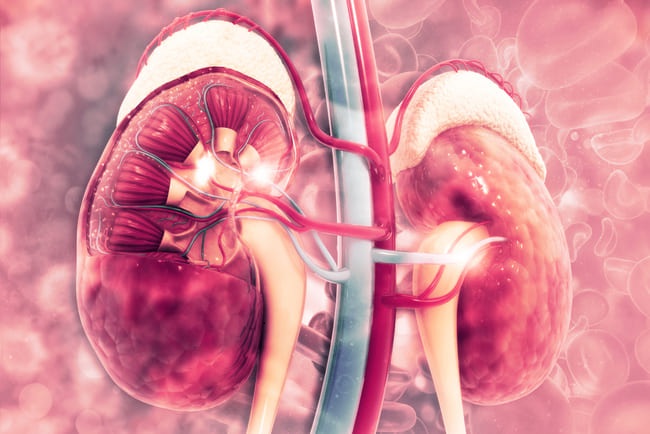
From its shape that perfectly resembles a kidney to the chemical composition that supports the optimal functioning of the renal system, beans are more than just a food; they are a true herbal medicine. Although it seems like a simple legume, beans hide an impressive therapeutic power within their seeds, especially regarding the support and regeneration of the kidneys.
What Beans Contain: The Key to Their Renal Effects
Beans are extremely rich in:
- Soluble and insoluble fibers, essential for detoxifying the blood;
- Complete plant proteins, which support cellular processes without overloading the kidneys;
- Minerals such as potassium, magnesium, phosphorus, and zinc directly involved in electrolyte balance and renal function;
- Manganese and molybdenum, two trace elements that help neutralize toxic waste;
- Phenolic compounds and antioxidants, with anti-inflammatory and protective effects on nephrons.
Benefits for the Kidneys
1. Natural Kidney Healing
The fibers and antioxidants in beans stimulate the elimination of urea, creatinine, and other toxic residues from the body. This process reduces the risk of stone formation and prevents silent inflammation of renal tissues.
2. Maintaining Electrolyte Balance
The balanced content of potassium and magnesium supports the efficient filtration of blood and stabilizes blood pressure, an essential factor in preventing nephropathies.
3. Protecting Nephrons
Antioxidants such as kaempferol and phenolic acids reduce oxidative stress at the renal level, protecting cells from damage that leads to chronic kidney failure.
4. Mild Diuretic Effect
Beans stimulate gentle diuresis, promoting the elimination of excess water and salts that can congest the kidneys. This makes them particularly useful in cases of edema or recurrent urinary infections.
5. Support in Renal Tissue Regeneration
The plant proteins in beans are easier to metabolize than animal proteins, reducing pressure on the kidneys and supporting the natural regeneration of affected cells.
What Do Studies Say?
- A study published in Journal of Renal Nutrition (2021) demonstrated that patients with chronic kidney disease who consumed plant proteins (including beans) instead of animal proteins had a slower progression of the disease and fewer episodes of increased creatinine.
- Researchers from Harvard University highlighted in 2020 that a diet rich in legumes, especially beans, reduces the risk of hypertension, a major risk factor for chronic kidney disease.
- In Frontiers in Nutrition (2022), a meta-analysis showed that beans contribute to reducing systemic inflammation and oxidative stress, both of which are involved in the progressive degradation of renal function.
Important Contraindications
- Raw beans are toxic – they contain phytohemagglutinin, a substance that can cause severe poisoning. It is recommended to boil them thoroughly.
- People with gout or high uric acid should consume beans in moderation, as they contain purines.
- In advanced kidney disease, the intake of phosphorus and potassium must be monitored. In these cases, consulting a doctor or dietitian is necessary.
How to Consume for Kidney Support
- Cooked beans (well boiled) can be consumed in soups, salads, or purees.
- White bean milk is obtained by boiling and blending, serving as an easily digestible plant alternative.
- Tincture from dried bean pods is traditionally used for its diuretic and anti-inflammatory effects on the urinary tract.
Curiosity: A Divine Seed?
Beans have the shape of a kidney, and in ancient herbal traditions, it was believed that this is a divine seed that indicates which organ the plant heals. Modern science seems to confirm this ancestral intuition.
Sources:
- Journal of Renal Nutrition – Plant-based proteins and renal disease
- Harvard Health Publishing – How plant proteins protect your kidneys
- Frontiers in Nutrition – Legume intake and chronic inflammation: A meta-analysis




