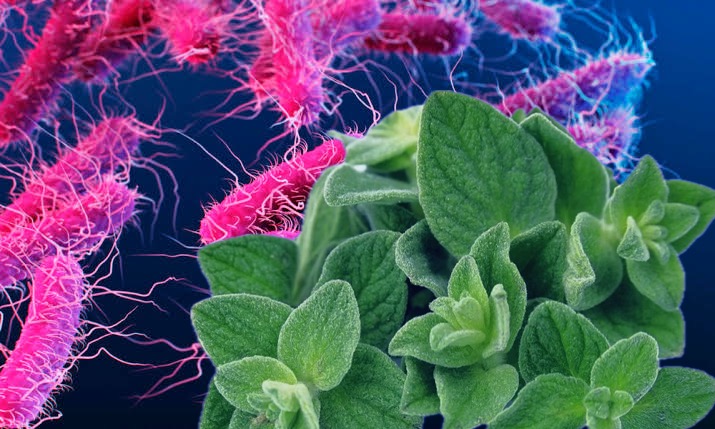
In a time when antibiotic-resistant bacteria are becoming increasingly difficult to control, nature sometimes offers us surprising solutions. Among these, oregano (Origanum vulgare) has stood out in recent years for its exceptional antibacterial properties, being referred to as the natural antibiotic.
What Studies Say About Oregano
A study published in the Journal of Applied Microbiology highlighted that oregano essential oil has the ability to destroy antibiotic-resistant bacteria, such as Staphylococcus aureus (MRSA), Pseudomonas aeruginosa, and Escherichia coli. The main active compound is carvacrol, a substance with strong antimicrobial effects.
According to researchers from Georgetown University (USA), oregano oil can be effective even in cases of persistent infections, due to its ability to penetrate the bacterial membrane and destroy it. Dr. Harry Preuss, a professor of medicine, states:
We were amazed at how effective oregano oil is in the fight against resistant bacteria. In some cases, it worked better than synthetic antibiotics.
Additionally, research conducted in Italy and Greece, countries with a tradition in the use of medicinal plants, has shown that wild oregano contains thymol, another active compound that enhances the antimicrobial effect, acting synergistically with carvacrol.
Ways to Use and Therapeutic Recipes with Oregano
1. Oregano Tea (Antibacterial Infusion)
Ingredients:
- 1 tablespoon of dried oregano (or 1 tablespoon of fresh leaves)
- 250 ml boiling water
Preparation: Pour hot water over the leaves and let it steep for 10-15 minutes, covered.
Administration: Drink 2-3 times a day, in courses of 7-10 days, especially in cases of urinary, respiratory, or digestive infections.
2. Oregano Oil (Concentrated Remedy)
Ingredients:
- 50 g dried oregano leaves
- 200 ml extra virgin olive oil
Preparation: Macerate the leaves in oil for 14 days in an airtight jar, in a warm and dark place. Shake daily. After 2 weeks, strain and store in a dark-colored bottle.
Usage:
- Internally: 2-3 drops of oil in a spoonful of honey or coconut oil, twice a day (under medical supervision).
- Externally: local application for skin infections, acne, eczema, or fungi.
Attention: Pure essential oil should not be used directly on the skin or internally without dilution!
3. Inhalations with Oregano for Respiratory Infections
Ingredients:
- 1 liter of hot water
- 1 tablespoon of dried oregano
Preparation: Add the plant to the boiling water and inhale the steam for 10 minutes, with your head covered with a towel. This treatment is effective against sinusitis, bronchitis, and recurrent colds.
What Romanian Phytotherapists Say
Dr. Constantin Milic, a specialist in phytotherapy, emphasizes the importance of oregano in natural treatments:
It is one of the plants with the broadest spectrum of antimicrobial action. When used correctly, it can complement classical treatments or even prevent the occurrence of resistant infections.
Prof. Dr. Ovidiu Bojor, the father of modern phytotherapy in Romania, recommends oregano in mixtures with other plants such as thyme, basil, or garlic, for strong antimicrobial and immunostimulant effects.
Contraindications and Precautions
- Not recommended for pregnant or breastfeeding women without medical advice.
- In high doses, essential oil can irritate mucous membranes.
- May interact with anticoagulant or antidiabetic medications – consult your doctor!
Oregano is not just a flavorful spice, but a formidable weapon in the fight against antibiotic-resistant bacteria. Modern studies validate what traditional medicine has known for centuries: nature sometimes holds the most effective remedies.




