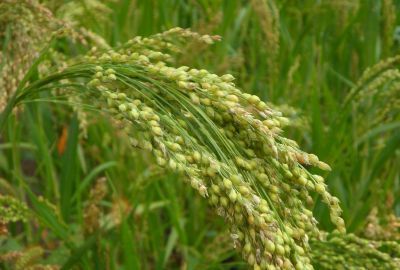
When we talk about collagen, we often think of supplements, creams, or expensive treatments. However, nature offers us a precious aid: a seemingly ordinary grain that stimulates the natural synthesis of collagen and helps the body stay young, supple, and resilient. This grain is millet, recently rediscovered, with a rare nutritional composition.
What is collagen and why is it so important?
Collagen is the most abundant protein in the human body, essential for:
- skin elasticity
- joint and bone health
- regeneration of tissues and tendons
- supporting blood vessels and organs
After the age of 25, collagen production gradually decreases, and the signs of aging become visible: the skin loses firmness, joint pain appears, and the regeneration process slows down.
Why is millet an exceptional source for stimulating collagen?
Millet (Panicum miliaceum) is an ancient grain, gluten-free, but with a remarkable nutritional profile for collagen synthesis:
1. Rich in silica (natural orthosilicic acid)
Silica is a key mineral for collagen formation, essential for skin elasticity and strengthening nails and hair.
Study: The role of silicon in connective tissue health Journal of Nutrition, Health & Aging, 2007
2. Contains essential amino acids (proline and glycine)
These amino acids are fundamental elements for collagen synthesis. Millet provides them in an easily assimilable form.
3. Natural source of antioxidants (flavonoids and phenols)
These compounds protect collagen fibers from oxidative degradation caused by pollution, stress, and poor nutrition.
4. Strengthens bones and joints
Through its supply of magnesium, phosphorus, and vitamin K, millet supports bone density and cartilage integrity.
How to consume millet for anti-aging effects?
Classic version:
Boil 1 cup of millet in 2.5 cups of water for 20-25 minutes. Consume in the morning with fruits or seeds.
Millet milk (plant-based collagen):
Boil the millet, then blend it with warm water and strain. This results in a creamy liquid rich in silica.
Add to salads or patties:
Cooked millet can successfully replace rice or other grains in daily dishes.
Contraindications
- Not recommended in excess for individuals with severe hypothyroidism (may slightly influence thyroid function in its unprocessed state).
- In some sensitive individuals, it may cause bloating if not well cooked.
- Avoid frequent consumption in raw or insufficiently prepared form.
Sources:
- Journal of Nutrition, Health & Aging The role of silicon in connective tissue health
- Nutrients Bioavailability of silicon from foods and its role in skin health
- Frontiers in Nutrition Amino Acids and Their Role in Collagen Synthesis




