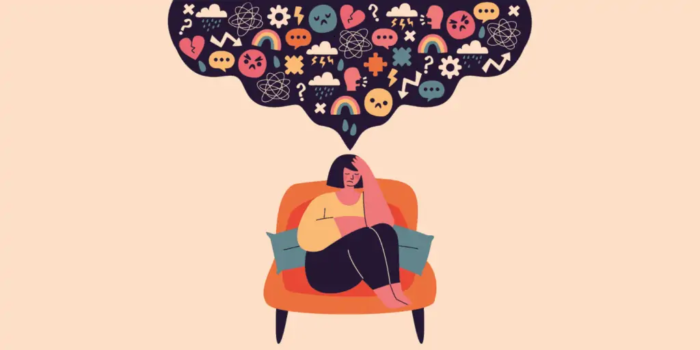
Experiencing moments of anxiety throughout life can be a situation that people go through at least once in their lives, often in a context of stress or deep emotional turmoil.
However, it can become a disorder and a problem when worries and fears become excessive and interfere with an individual’s daily well-being.
In this regard, there are several ways to combat it, including the administration of medications provided by experts and specialists. However, science has recently revealed a home method for treating anxiety without the use of medication.
What are the main symptoms?
There are many signs and signals that can be observed in human behavior to determine if a person is suffering from anxiety. In this sense, it is recommended to pay attention to the following symptoms:
- Feelings of nervousness, agitation, or tension
- Feelings of imminent danger, panic, or catastrophe
- Increased heart rate
- Rapid breathing (hyperventilation)
- Perspiration
- Weakness or fatigue
- Difficulty concentrating
- Difficulty sleeping
- Trembling
- Difficulty controlling worries
- Gastrointestinal (GI) issues
- The need to avoid situations that generate anxiety
What types of anxiety exist?
According to the Mayo Clinic, an American institution dedicated to research and practice in the field of health, there are different types of anxiety. Among the most well-known are the following:
- Agoraphobia: a type of anxiety disorder in which you fear places and situations that may cause panic or make you feel trapped, helpless, or embarrassed, and often try to avoid them.
- Anxiety disorder due to a medical condition: includes symptoms of intense anxiety or panic that are directly caused by a physical health problem.
- Generalized anxiety disorder is characterized by persistent and excessive anxiety and worry about activities or events, including common, routine matters. The worry is disproportionate to the current situation, is difficult to control, and affects how you feel physically. It often occurs alongside other anxiety disorders or depression.
- Panic disorder: involves repeated episodes of intense feelings of anxiety and fear or terror that reach a peak within minutes (panic attacks). You may experience feelings of impending doom, difficulty breathing, chest pain, or rapid, strong, or fluttering heartbeats (palpitations). These panic attacks can cause a person to worry that they will happen again or to avoid situations where they occurred.
What is the home method to combat anxiety?
A study conducted by the Journal of Affective Disorders established that the best way to combat anxiety is through running. To do this, they compared the effects produced by prescribed medications for treating it and concluded that running reduces this disorder more effectively.
Physical activity in these circumstances has effects on neurobiological and physiological pathways, leading to a significant reduction in stress.
Additionally, group training allows for contact with other people, making the personal context one goes through feel more relaxed.




