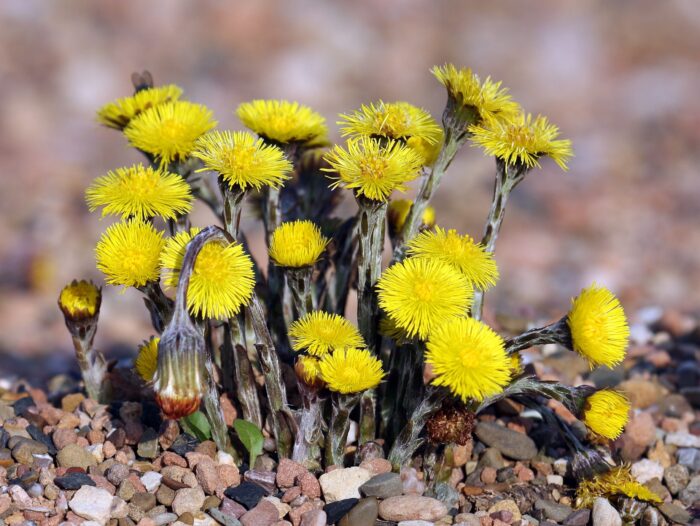
Spring is the season of renewal for both nature and our bodies. With the gentle rays of the sun, the first medicinal plants begin to appear, true sources of vitality. Here are some of the most valuable spring flowers that not only please the eye but also support health naturally:
1. Dandelion (Taraxacum officinale)
The natural detoxifier of spring
-
Composition: flavonoids, inulin, taraxacin, potassium, vitamins A, C, D, and the B complex.
-
Usage:
-
Tea from leaves or roots (1 tablespoon per 250 ml of water, 2-3 cups/day).
-
Tincture for liver detoxification.
-
-
Action: stimulates bile secretion, supports liver and kidney function, has a mild laxative effect.
-
Relevant study: According to a study published in Journal of Alternative and Complementary Medicine (2009), dandelion demonstrated significant diuretic effects in healthy human subjects.
2. Nettle (Urtica dioica)
The superplant of spring
-
Composition: chlorophyll, iron, calcium, silicon, flavonoids, vitamins C, K, B2.
-
Usage:
-
Infusion (2 tablespoons of dried leaves in 500 ml of water, 2-3 cups/day).
-
Fresh juice for remineralization.
-
-
Action: purifies the blood, combats anemia, reduces inflammation and joint pain.
-
Relevant study: An article from Phytotherapy Research (2013) highlights the anti-inflammatory and anti-allergic effects of nettle extract.
3. Thyme (Thymus serpyllum)
The little flower with a health scent
-
Composition: essential oil with thymol, carvacrol, flavonoids, tannins.
-
Usage:
-
Infusion for cough and throat pain.
-
Steam inhalation for nasal congestion.
-
-
Action: respiratory antiseptic, antispasmodic, calming.
-
Relevant study: A study published in Evidence-Based Complementary and Alternative Medicine (2015) confirms the efficacy of thyme in treating mild to moderate bronchitis.
4. Heartsease (Viola tricolor)
The small flower with great effects
-
Composition: natural salicylates, mucilages, flavonoids, anthocyanins.
-
Usage:
-
Tea for skin and respiratory conditions.
-
Poultices for eczema and acne.
-
-
Action: anti-inflammatory, depurative, skin calming.
-
Relevant study: Phytotherapeutic studies show the efficacy of the plant in treating eczema, including in children, due to its mucilage and anti-inflammatory compound content.
5. Coltsfoot (Tussilago farfara)
The natural ally against cough
-
Composition: mucilages, tannins, small amounts of pyrrolizidine alkaloids, chlorogenic acid.
-
Usage:
-
Infusion or syrup (limited use over time).
-
-
Action: emollient, expectorant, calming for the respiratory tract.
-
Caution: long-term use is not recommended without medical consultation due to the alkaloid content.
-
Relevant study: Journal of Ethnopharmacology confirmed its beneficial action in mild respiratory infections at controlled doses.
The medicinal plants that bloom in spring are not just symbols of a new beginning but also real helpers for our health. When used correctly, they can stimulate the regeneration of the body, cleanse the toxins accumulated during winter, and restore the energy we need.
If you enjoyed this information, share it or leave a comment with your favorite plant from this season!




