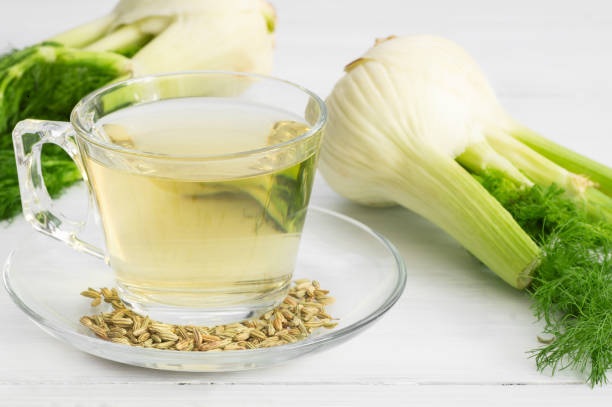
Fennel, a plant from the carrot family, is renowned for its distinct aroma, reminiscent of licorice. The tea made from the seeds of this plant is traditionally used to support digestive health and alleviate various ailments, such as stomach pain, constipation, gas, and diarrhea.
Additionally, fennel has been shown to be effective in clinical studies:
- 2014 Study: In a study of 80 individuals, the administration of a fennel supplement before and during menstruation contributed to the reduction of unpleasant symptoms, such as nausea.
- Test Tube Study: Fennel extract demonstrated the ability to inhibit the growth of harmful bacteria, such as E. coli.
- Study of 159 Participants: Fennel tea supported digestive regularity and recovery after intestinal surgeries.
How to Prepare Fennel Tea at Home?
To benefit from its properties, you can prepare fennel tea at home by infusing dried seeds. Add 1 teaspoon (approximately 2 grams) of fennel seeds to 1 cup of hot water (237 mL). Let it steep for 5-10 minutes, then strain. Another option is to use the roots or leaves of the plant, which can be steeped in hot water for the same duration.
Fennel, Frequently Used in Teas and Supplements for Stomach and Intestinal Health
Interestingly, fennel extract has been studied for its antibacterial properties, having effects on harmful bacteria such as E. coli. Fennel contains active compounds, such as flavonoids and essential oils, which may contribute to this antimicrobial effect.
On the other hand, the study on fennel tea that included 159 participants suggests benefits for the digestive system, promoting digestive regularity and supporting post-surgical intestinal recovery. Fennel is often used to soothe gastrointestinal discomfort and may have beneficial effects in alleviating bloating, cramps, and other digestive disorders.
Overall, fennel appears to have multiple therapeutic effects that can support both digestive health and combat bacterial infections. However, it is important to note that test tube studies do not always translate directly into similar effects in humans, and for medical recommendations, consulting a specialist remains essential.




