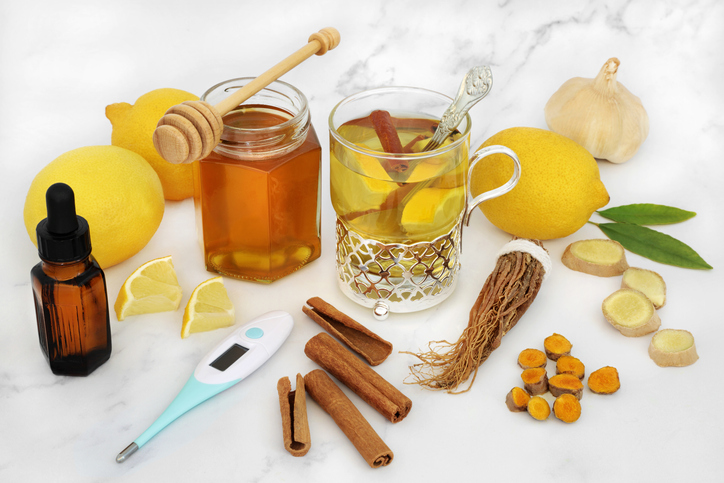
The main weapon we have in the fight against colds, coughs, and flu is our own immune system, and we are often advised to avoid medications. A treatment alternative comes from nature. Therefore, when it comes to home remedies, it is good to focus on truly effective ingredients in the fight against respiratory infections. Below you will find some of the most useful natural remedies that alleviate cold and flu symptoms and strengthen the immune system.
Top Natural Remedies Beneficial for Colds
1. Garlic
The most powerful natural antibiotic, garlic is a true superhero in the fight against viruses and bacteria. It has a strong anti-inflammatory effect and clears the respiratory pathways due to its very strong aroma. To fully harness the effects of garlic, consume it raw, alongside some vitamin-rich vegetables such as tomatoes, beets, broccoli, and carrots. However, be cautious if you have a sensitive stomach, as too much garlic can cause discomfort. Additionally, if you generally have low blood pressure, keep in mind that garlic has hypotensive properties and can lower your blood pressure further, which may lead to weakness and dizziness.
2. Ginger
Ginger is another powerful remedy that nature provides us with through its antiviral and anti-inflammatory properties, as well as its ability to support the digestive process. However, a 2020 study concluded that there are not enough quality studies to definitively say that ginger can be useful in treating or preventing respiratory diseases in healthy adults.
Nonetheless, regular consumption of ginger can strengthen your immune system. While it can be consumed as is, ginger can also be used in tea, combined with lemon and honey, or as an extra ingredient in chicken soup, for example. Ginger powder is an excellent spice for salads and baked recipes.
3. Green Tea
First and foremost, it is important to note that this type of tea is recommended whether you have a cold or not—contrary to popular beliefs that only sick people drink tea, for various reasons. One of them is that this type of tea, green tea, is rich in antioxidants, essential for the proper functioning of the immune system.
In case of a cold, it is ideal to consume as many liquids as possible, including green tea, but it is very important to think of this remedy as one that rather prevents colds and other ailments, rather than treating them once they appear. A stronger alternative to green tea is matcha powder, which is also rich in antioxidants and catechins, an ingredient particularly effective in the fight against diabetes and cancer.
4. Honey, Propolis, Royal Jelly
Honey contains vitamins, minerals, as well as active enzymes, proteins, and carbohydrates, which guarantee its anti-inflammatory, antibacterial, and anti-allergic properties. Like green tea, it should be seen as a way to strengthen the body and prevent certain ailments.
Propolis is also known as Russian Penicillin due to its ability to inhibit fungi, viruses, and bacteria, so it should be considered in the case of a cold, especially for those who frequently suffer from throat irritation.
The ultimate gift from bees is royal jelly, a cocktail of vitamins (A, B, C, D, and E), healthy fatty acids, and sulfur. Royal jelly should be kept in the refrigerator and consumed daily in small quantities. You can do an annual course of royal jelly, preferably in the cold season, as a way to naturally boost immunity.
5. Parsley
Did you know that parsley contains more vitamin C than lemon? Because it is easy to integrate into any dish, whether a salad, soup, or stew, parsley can be your number one ally in the fight against colds. In addition to its rich vitamin C content, parsley is also rich in powerful antioxidants. You can confidently use it preventively by consuming it as often as possible. An effective way to consume plenty of parsley is in the Middle Eastern salad called tabbouleh.
6. Pine Buds
Pine buds are effective against colds due to their rich content of tannins and vitamin C, among other substances, which provide antiseptic and expectorant properties. Pine buds are also recommended in cases of cough, bronchitis, and acute respiratory conditions. They can be administered in the form of tea or syrup, but do not hesitate to seek the advice of a naturopath before starting treatment.
7. Pineapple
Regarding pineapple, various natural medicine practitioners say it is five times more effective than traditional cough syrup. Pineapple contains bromelain, a digestive enzyme with anti-inflammatory properties. Moreover, pineapple juice soothes irritated throats and speeds up mucus elimination.
In addition to this, pineapple is an effective ally in the fight against bronchitis, asthma, and pneumonia. You can consume it as is, after washing it well and peeling it, but also in juice form. It is recommended to opt for the fresh version, rather than the canned one, although the latter is more convenient. If you don’t have time, you can choose a canned pineapple option without added sugar.
8. Plantain
Plantain, specifically the leaves of this plant, boasts a rich content of aucubin and flavonoids, which provide an expectorant, emollient, and at the same time, anti-inflammatory and antimicrobial effect.
Additionally, flavonoids combat oxidative stress, protecting and strengthening the immune system. In short, everything you need to recover from a cold, laryngitis, or pharyngitis, especially if among the symptoms is a mild cough, can be found in a preparation based on plantain. Plantain can be administered in powder form after meals, as an infusion, gargle, or syrup, depending on the ailment.
9. Marshmallow
Also for stimulating immunity, you can try a course based on marshmallow. Marshmallow is rich in flavonoids and terpenoids, important antioxidants in strengthening the immune system and protecting the body against the action of free radicals. The dried flower of this plant contains over 120 compounds, most of which have antioxidant and soothing action.
Moreover, due to the soothing, antibacterial, antiseptic, and healing properties of this plant, marshmallow extract is a common ingredient found in creams and tinctures for treating wounds. Consumed in syrup or tea form, marshmallow soothes a congested throat, calms coughs, and ensures restful sleep.
10. Eucalyptus
According to a recent study, eucalyptus may have numerous health benefits, including alleviating cold symptoms. In fact, inhaling steam with eucalyptus oil can help clear mucus from the respiratory tract. However, it is important to note that eucalyptus oil can have some side effects, such as:
Nausea
Vomiting
Diarrhea
For this reason, eucalyptus should be administered according to the instructions provided by the manufacturer. Using pure eucalyptus oil should be avoided, as it can lead to poisoning. Symptoms indicating this health problem include:
Stomach pain
Nausea
Muscle weakness
Feeling of suffocation
Drowsiness
Seizures
Coma
Warning! Even consuming a tablespoon of pure eucalyptus oil can be fatal.
What Else You Can Try for Colds to Boost Immunity
Zinc
This is an essential mineral for the body, found in several foods such as beef, pork, turkey, lentils, and some fortified cereals. The recommended daily dose of zinc is 8 milligrams (mg) for women and 11 mg for men.
Older research has shown that zinc can help reduce the duration of cold symptoms. However, there is one condition: zinc should be taken within 24 hours of the onset of cold symptoms. Nevertheless, specialists say that more studies are needed to determine whether zinc is truly beneficial for colds.
Vitamin D
There are some older studies that have shown that vitamin D may help reduce cold symptoms and shorten their duration. Additionally, other studies have shown that people with lower levels of vitamin D are more susceptible to catching colds.
Vitamin C
You probably already know that vitamin C is a popular remedy for colds. A 2013 review of 30 published studies, involving over 11,350 participants, showed that vitamin C (in doses of 200 milligrams or more) slightly reduced the duration and severity of cold symptoms, but did not prevent the common cold.
Moreover, it seems that vitamin C reduces the risk of illness in people who engage in intense physical activities (such as marathon running or skiing) or in those exposed to cold temperatures. As we have seen, herbal remedies also have possible side effects. Additionally, they can interact with other prescription medications you may be taking. Therefore, when it comes to dietary supplements or natural remedies, always consult your doctor before resorting to such solutions to ensure they are beneficial for you.