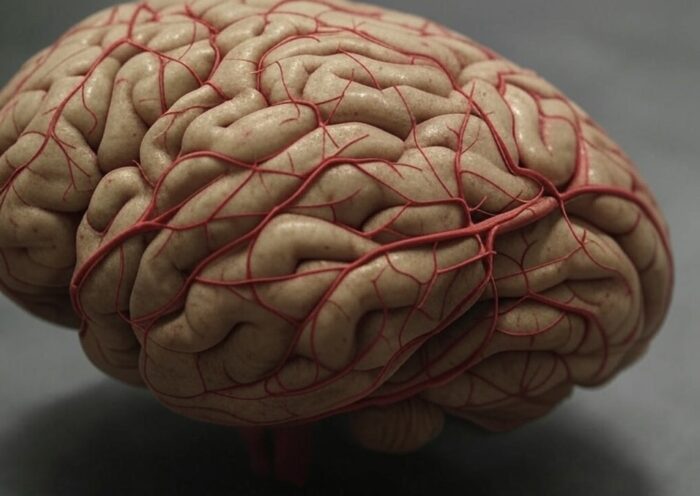
Doctors emphasize that the earliest sign of brain aging is the deterioration of blood vessels, which leads to a decrease in cerebral blood flow and, consequently, a reduction in brain nutrition.
Brain aging begins imperceptibly for a person. Changes in brain functions are not yet very visible, but serious problems are approaching. These include weakness, increased fatigue, memory decline, and a range of other unpleasant manifestations of aging.
The World Health Organization (WHO) estimates that over 55 million people suffer from dementia globally, with nearly 10 million new cases diagnosed each year.
Nutrition plays an important role in brain function, and there are foods that should be consumed regularly for the brain to function like a clock.
1. Carbohydrates with a high fiber content
Research shows that this is one of the most effective options for maintaining brain health. Make it a habit to prepare oatmeal for breakfast. It is an excellent source of fiber, which helps slow down the digestion of carbohydrates and allows for a gradual release of sugar into the bloodstream. This not only improves brain function but also helps maintain a steady energy level throughout the day.
It is well known that carbohydrates affect mood through various mechanisms. The first is that, by increasing insulin, carbohydrates raise dopamine levels in the brain. This is why many people gravitate towards carbohydrates with a high glycemic index like pastries, sweets, and cakes.
However, it is important to understand that the constant consumption of large amounts of high glycemic index carbohydrates leads not only to increased insulin resistance and decreased dopamine and serotonin levels but also to a very rapid depletion of brain cells!
Include peas, beans, and lentils in your diet. Besides being rich in fiber and plant proteins, they are an excellent source of B vitamins, which help improve brain function by increasing neurotransmitter levels. These foods also contain zinc, magnesium, selenium, and non-heme iron, which will help you stay young longer.
2. Fermented foods
Fermented foods (yogurt, kefir, kombucha, sauerkraut, carrots, cucumbers, radishes) have a positive effect not only on gut microflora but also on the health of brain cells.
The fermentation process allows live bacteria to develop in foods, which can then transform sugar into alcohol and acids. During this process, probiotics are formed. These live microorganisms support the growth of healthy bacteria in the gut and can increase serotonin levels.
Serotonin is a neurotransmitter that affects many aspects of human behavior: mood, stress response, appetite.
Up to 90% of the serotonin in the body is produced by the gut microbiome (the collection of healthy bacteria in the intestines).
It has been repeatedly proven that the gut microbiome plays a very important role in maintaining brain health, with research showing a direct and strong link between the two.
3. Fatty fish
Fatty fish (herring, capelin, salmon) are rich in two types of omega-3 fatty acids: docosahexaenoic acid and eicosapentaenoic acid. These promote the fluidity of brain cell membranes and play a key role in brain function and maintaining proper cellular signaling.
Adults should obtain at least 250-500 mg of these combined acids per day. Consuming fatty fish is an excellent way to obtain these fats and improve brain health.
4. Purple fruits
Blueberries, blackcurrants, and blackberries are rich in anthocyanins, which directly affect brain function. You can eat fresh, dried, or frozen fruits. Not only do they slow down the aging of brain cells due to their high antioxidant levels, but the fruits also contain a wide range of phenolic compounds that play a key role in combating oxidative stress—a balance of harmful compounds in cells that cause cellular damage.
5. Nuts and seeds
Nuts and seeds are rich in plant proteins, healthy fats, and fiber. Additionally, they contain tryptophan, an amino acid responsible for serotonin production, which regulates the functioning of the entire body.
Almonds, hazelnuts, pine nuts, walnuts, pumpkin seeds, sesame seeds, and sunflower seeds are excellent sources of essential nutrients for the brain.
Studies show that moderate consumption of seeds and nuts reduces the risk of depression by 33% and increases brain efficiency by 30-35%.




