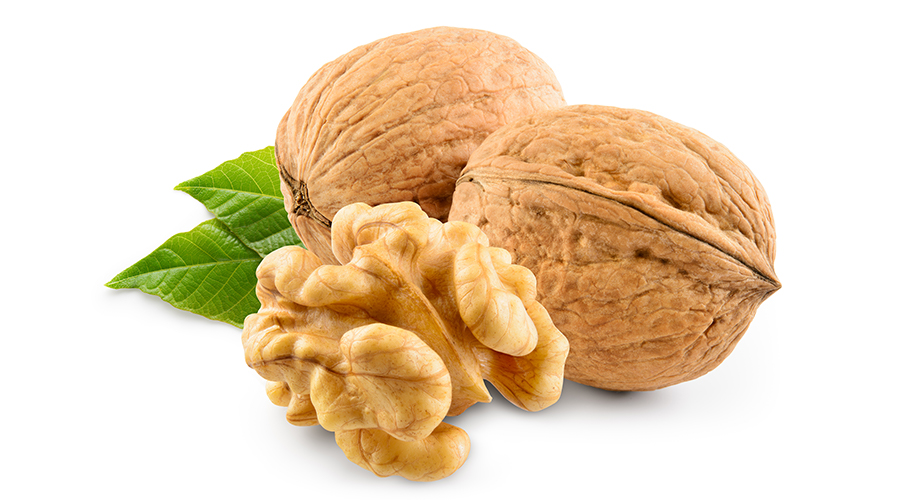
Eight walnuts a day keep arteries flexible, the heart healthy, and prevent the occurrence of stroke, according to a study conducted by American researchers at Barcelona’s Hospital Clinico, published in the American College of Cardiology.
Experts cited by BBC News advise us to consume walnuts, especially after a meal rich in animal fats, to mitigate the negative effects these fats have on the body. Consumed after each meal, walnuts prevent arterial hardening, heart diseases, and cancer.
1. Walnuts are Healthier than Olive Oil!
They reduce inflammation in the arteries. The research involved monitoring 24 adults, half of whom had normal cholesterol levels, while the other half had high levels.
Participants in the study were given two servings of fatty salami and cheese, which they consumed over a week. In one serving, researchers added five tablespoons of olive oil, while in the other, the meat of eight walnuts.
Tests showed that both olive oil and walnuts helped reduce inflammation in the arteries that occurs suddenly after a meal rich in saturated fats and, over time, contributes to arterial hardening and increases the risk of heart diseases and stroke.
However, unlike olive oil, walnuts also helped maintain the elasticity and flexibility of the arteries, regardless of cholesterol levels.
2. Treats Heart Rhythm Disorders
Researchers also observed how alpha-linolenic acid in walnuts can be beneficial for those with heart rhythm disorders. They warned participants in the study that they could eat absolutely anything they wanted, as long as they also consumed walnuts.
This demonstrates that the protective fats in walnuts counteract the effects of saturated fats in the diet, while a neutral fat, such as olive oil, does not play as significant a role, says Robert Vogel, a professor at the University of Maryland, Baltimore.
Because they are elastic, arteries can expand when blood flow improves. Consuming fats interrupts the production of nitric oxide by the endothelial cells of the arteries, which is necessary for maintaining the flexibility of blood vessels. Walnuts also contain antioxidants and arginine, an amino acid used by the body to produce nitric oxide.
3. Prevents and Fights Cancer
Due to their high copper content, walnuts are recommended in the diet of people with anemia, those with rheumatism and arthrosis, in precancerous conditions, and tuberculosis, especially bone tuberculosis.
Thanks to omega-3 fatty acids, antioxidants, and phytosterols, walnuts are powerful weapons in the fight against breast cancer. Tumors shrink and may even disappear.
Vitamin E, well-represented in walnuts, is a powerful antioxidant that prevents prostate and lung cancer. Selenium, calcium, and copper found in walnuts are beneficial for maintaining the body.
4. Antitussive and Anti-inflammatory Effects
The walnut husk is the thin, woody layer that separates the kernel from the shell, obtained when the fruits are shelled to extract the kernel. It is a strong astringent and has antitussive and anti-inflammatory effects on the respiratory tract.
An effective decoction can be made from walnut husks for diarrhea and cough. Boil 3-4 tablespoons of crushed product in 300 ml of water for 10-15 minutes, then strain. It can be sweetened with honey. You can drink 2-3 cups a day.
5. Nutrients in the Vegetarian Diet
Walnuts and hazelnuts can replace most animal nutrients in a vegetarian diet. Among the nutrients are most B vitamins, phosphorus, iron, copper, potassium, and proteins.
Like almost all proteins from plant sources, those from walnuts and hazelnuts are of lower quality than animal proteins. However, by combining walnuts with bread, cereals, and legumes—especially soy and lentils—one can obtain a balanced range of essential amino acids.




