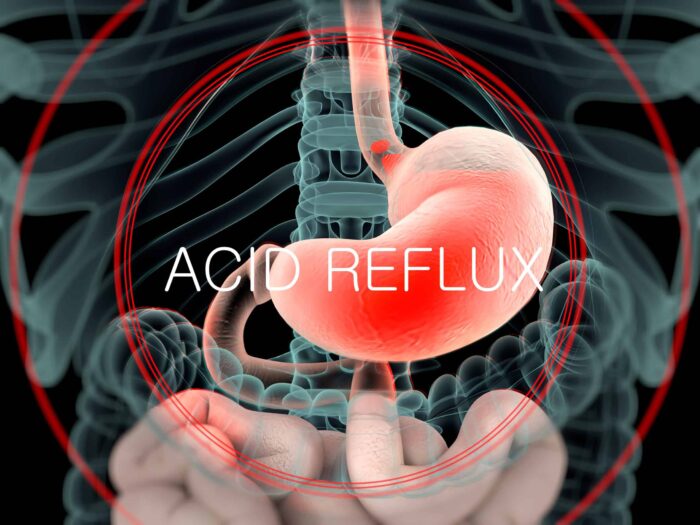
Acid reflux or gastroesophageal reflux disease (GERD) is one of the most common digestive disorders, manifested by heartburn, regurgitation, and a feeling of pressure in the chest. If you prefer a gentle and natural approach, there are plants and remedies that can reduce gastric discomfort without resorting to synthetic medications.
Effective Natural Remedies for Reflux
1. Deglycyrrhizinated Licorice Root (Glycyrrhiza glabra)
- How it works: protects the stomach and esophageal mucosa, stimulating the production of protective mucus.
- Dosage: deglycyrrhizinated licorice (DGL) capsules, 2-3 times a day, 20 minutes before meals.
- Effective in mild to moderate reflux cases.
2. Aloe Vera (gel or juice)
- How it works: soothes inflammation of the gastric mucosa, aids digestion, and reduces acidity.
- Dosage: 1 tablespoon of natural gel (without aloin) in the morning on an empty stomach.
- Caution: use only products without aloin, which can be irritating.
3. Marshmallow Root (Althaea officinalis)
- How it works: rich in mucilage, it forms a protective film on the digestive tract.
- Dosage: cold infusion, 1 tablespoon of root in 200 ml of water, left for 8 hours, then consumed.
4. Chamomile Tea
- How it works: a natural anti-inflammatory, reduces stomach spasms and balances gastric secretions.
- Dosage: 1-2 cups a day, between meals.
5. Cooked Oats (or oat water)
- How it works: absorbs excess acid, soothes gastric burns.
- Dosage: porridge or oat water in the morning (100 g oats + 500 ml water, boiled for 5-10 minutes, strained).
6. White Clay (bentonite)
- How it works: neutralizes excess acid and protects the mucosa.
- Dosage: 1 tablespoon in 100 ml of water, let sit for 5-10 minutes, then drink only the clear water (not the sediment), once a day.
Comparative Table: Useful Plants for Acid Reflux
| Plant / Remedy | Estimated Time to Effects | Possible Side Effects | Specific Precautions |
|---|---|---|---|
| DGL Licorice | 37 days | Rare, but bloating may occur | Use only the DGL variant (without glycyrrhizin) |
| Aloe Vera (gel) | 25 days | Mild diarrhea if impure | Only products without aloin (decolorized brands) |
| Marshmallow (infusion) | 37 days | Rare, may reduce absorption of some medications | Administer away from other treatments |
| Chamomile (tea) | 13 days | Very rare pollen allergies | Avoid if allergic to Asteraceae |
| Oats (oat water) | 12 days | Very rare, bloating | Whole grain oats are recommended, without additives |
| White Clay (kaolin) | 12 days | Constipation if used too often | Do not administer concurrently with medications |
The time until effects appear may vary depending on the individual and the severity of symptoms.
For chronic cases, remedies may be part of an integrated plan with diet and lifestyle modifications.
Relevant Scientific Studies
1. Licorice root and gastroesophageal reflux disease (GERD): a natural approach Journal of Clinical Gastroenterology, 2013
What the study shows:
The research focused on the effects of deglycyrrhizinated licorice (DGL) in alleviating acid reflux symptoms. The study showed that DGL increases gastric mucus production, reduces esophageal inflammation, and diminishes discomfort.
Result: 78% of participants reported an improvement in symptoms within the first 2 weeks of use.
2. Protective effect of Aloe vera against ethanol-induced gastric injury in rats World Journal of Gastroenterology, 2010
What the study shows:
Aloe vera was tested on rats to analyze its effect on gastric injuries caused by alcohol. Aloe significantly reduced inflammation, edema, and damage to the gastric mucosa.
Conclusion: Aloe vera gel has protective effects similar to omeprazole, but without digestive side effects.
3. Marshmallow root and its anti-ulcerogenic properties Phytotherapy Research, 2011
What the study shows:
Marshmallow root, rich in mucilage, was tested for its effects on gastric ulcers and esophageal irritation.
Result: The study demonstrated that marshmallow infusion forms a protective gelatinous layer on the stomach walls, aiding in the healing of inflammations.
4. Chamomile: An anti-inflammatory agent in gastrointestinal disorders Molecular Medicine Reports, 2016
What the study shows:
Chamomile contains flavonoids such as apigenin and luteolin, which have anti-inflammatory, antispasmodic, and healing effects.
Result: It was effective in reducing gastric burns and abdominal discomfort in patients with functional dyspepsia.
Additional Recommendations:
- Avoid late meals and acidic, fatty, or spicy foods.
- Eat small portions and chew well.
- Elevate the head of the bed if reflux occurs at night.
Contraindications
- Licorice is not recommended for individuals with hypertension (if not deglycyrrhizinated).
- Aloe vera with aloin can be irritating; use only purified products.
- Consult a doctor if symptoms persist for more than 10-14 days.
Sources:
- Licorice root and gastroesophageal reflux disease (GERD): a natural approach Journal of Clinical Gastroenterology, 2013
- Protective effect of Aloe vera against ethanol-induced gastric injury World Journal of Gastroenterology, 2010
- Marshmallow root and its anti-ulcerogenic properties Phytotherapy Research, 2011
- Natural approaches to gastrointestinal health




