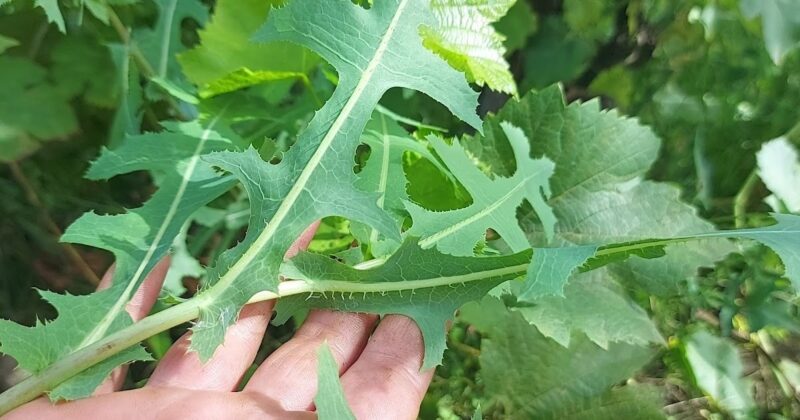
In the hilly and mountainous regions of Romania, there grows a plant with large, serrated leaves and a milky stem: wild lettuce, commonly known as susai. It has remarkable medicinal properties and has been used since ancient times to alleviate pain, purify the blood, and protect internal organs, especially the pancreas.
Active Ingredients
- Lactucin, lactucopicrin (substances with sedative and analgesic effects)
- Flavonoids and polyphenols
- Bitter substances
- Vitamins (A, C, E, B1, B2)
- Minerals: zinc, calcium, magnesium, potassium
Classic Recipe for Wild Lettuce Tea (Susai)
Ingredients:
- 1 tablespoon of dried wild lettuce leaves
- 250 ml boiling water
Preparation Method:
- Place the plant in a cup and pour hot water over it.
- Cover and let steep for 10-12 minutes.
- Strain and drink warm, twice a day, 30 minutes before meals.
For digestive and pancreatic effects, a 14-day course is recommended, followed by a 10-day break.
Benefits
1. Supports Pancreatic Health
Due to its bitter substance content, wild lettuce stimulates the secretion of pancreatic and bile juices, facilitating the digestion of fats and protecting pancreatic cells. Flavonoids protect tissues against inflammation and oxidative stress, factors involved in pancreatitis.
A study published in Journal of Ethnopharmacology (2021) highlighted the protective effect of Lactuca virosa extracts on pancreatic cells in experimental models of induced inflammation.
2. Natural Calming Agent for the Nervous System
The substances lactucin and lactucopicrin in the plant’s latex have mild sedative effects, similar to light opiates, without causing dependence. The tea is used for:
- insomnia,
- anxiety,
- excessive nervousness.
3. Alleviates Chronic Pain and Spasms
Wild lettuce is also known as the vegetable opium due to its calming effect on pain: joint pain, menstrual pain, headaches, or abdominal pain. It can be combined with other antispasmodic plants such as chamomile or valerian.
4. Stimulates Digestion and Detoxifies the Liver
By stimulating bile secretion, susai helps digestion and the elimination of liver toxins. It is beneficial in cases of dyspepsia, bloating, and slow digestion.
5. Mild Antihypertensive and Anti-inflammatory Effects
Regular consumption of the tea may help regulate mildly elevated blood pressure, and the plant compounds reduce systemic inflammation, having effects similar to those of plants like hawthorn or motherwort.
Contraindications and Precautions
- Contraindicated during pregnancy and breastfeeding – sedative effects may be transmitted to the child.
- Not recommended for children under 12 years old.
- May interact with sedatives or tranquilizers – do not combine without medical advice.
- Avoid overdosing – high doses may cause pronounced drowsiness, dizziness, or nausea.
- Do not consume if you have allergies to plants in the Asteraceae family (e.g., chamomile, marigold).
Sources
- Journal of Ethnopharmacology – Lactuca virosa L. extract shows protective effects in pancreatic cell inflammation models
- Healthline – Wild Lettuce: Benefits, Uses and Side Effects
- Mount Sinai – Bitter herbs and digestive health
- Herbalgram – Wild Lettuce (Lactuca virosa): Herbal Monograph
- WebMD – Wild Lettuce: Uses and Risks




