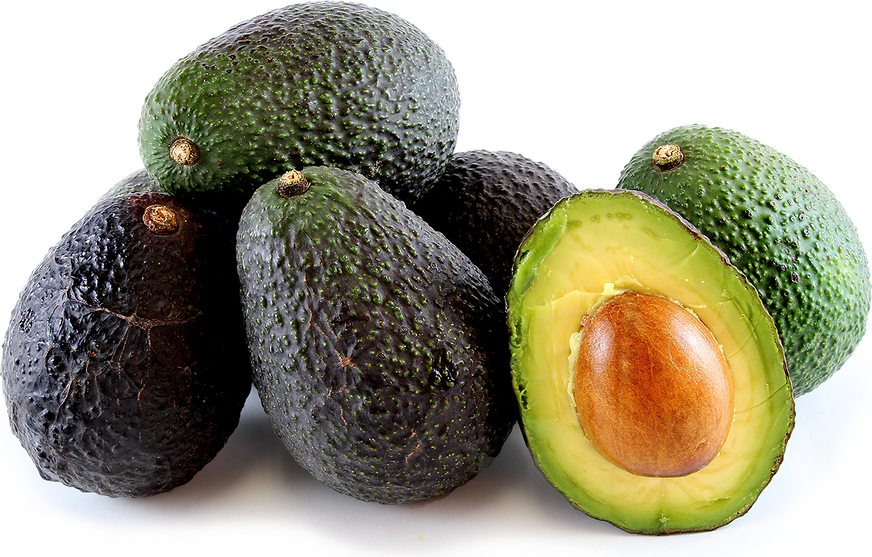
Avocado has become one of the healthiest superfoods in the world for good reason. In addition to being delicious and easy to enjoy, avocado contains a consistent dose of important nutrients, such as fiber, healthy fats, potassium, and vitamin K. Therefore, there are several benefits, with research suggesting that avocado may help improve heart health, stimulate weight loss, and keep the digestive tract functioning without issues.
Avocado is a nutritious fruit native to Mexico, but it is now grown all over the globe. The avocado tree, known as Persea americana, is a member of the laurel family and can grow between 9 and 12 meters tall. It has yellow-green flowers and produces a fruit with a single seed.
There are several different types of avocado, each being a different variety of the avocado plant. The Hass avocado is the most popular variety, but there are also a few less common types, including Bacon, Lula, Pinkerton, Fuerte, and Gwen.
Avocado is typically characterized by a dark outer skin, with smooth green flesh inside and a large pit in the middle. It has a mild flavor and a creamy texture that works well in many dishes and recipes, from chicken salad with avocado to chocolate pudding with avocado and more.
Benefits of Avocado
In addition to being extremely versatile, the vitamins and minerals in avocado are present in very high amounts. Not only is it at the top of the list of potassium-rich foods, but it is also an excellent source of fiber, healthy fats, and vitamin K, which supports bone health.
It’s no wonder there are so many benefits to avocado. Here are the top nine reasons to eat avocado:
1. Improves Heart Health
Avocado (especially avocado oil) promotes heart health by balancing blood lipids. In terms of its chemical composition, the fat in avocado is about 71% monounsaturated fatty acids, 13% polyunsaturated fatty acids, and 16% saturated fatty acids.
Diets that are moderately high in healthy fats, especially monounsaturated fats (MUFA), are known to block plaque buildup in arteries more effectively than diets high in carbohydrates that spike insulin. In addition to the presence of fats, the fiber in avocado and the presence of beta-sitosterol compounds, magnesium, and potassium help reduce cholesterol levels and blood pressure.
There is an increasing number of clinical studies exploring why healthy fat sources are so important for maintaining heart health.
For example, researchers in Mexico administered an avocado-rich diet to both healthy adults and individuals with high cholesterol and examined the results. After just one week, it was found that when healthy individuals with normal lipid levels ate avocado, their total cholesterol level dropped by 16%.
The results observed in the high cholesterol group were even more profound. Not only did total blood lipids decrease by 17%, but LDL (bad cholesterol) decreased by 22% and triglycerides by 22%, while their HDL (good cholesterol) levels increased by 11%.
2. Reduces the Risk of Metabolic Syndrome
Some research suggests that avocado consumption may be associated with a lower risk of metabolic syndrome. Metabolic syndrome is a term for a group of conditions that increase the risk of developing heart disease, stroke, and diabetes.
Avocado may also help with elevated blood sugar levels, high blood pressure, high cholesterol, obesity, and excess abdominal fat.
A study published in the Nutrition Journal in the U.S. evaluated the eating habits of 17,567 adults over a period of eight years. Researchers found that individuals who regularly consumed avocado tended to have a more balanced and healthier diet, along with a higher intake of fruits, vegetables, and fiber.
Avocado consumption was also linked to lower body weight, body mass index (BMI), and waist circumference, as well as higher levels of HDL cholesterol. This means that avocado may help with weight management when consumed as part of a healthy diet.
Researchers also found that those who ate avocado had a 50% lower chance of developing metabolic syndrome.
3. Supports Eye, Skin, and Hair Health
Rich in fat-soluble vitamins and monounsaturated fats, the benefits of avocado also include glowing skin, healthy eyes, and shiny hair, both when consumed and when used topically.
Avocado is one of the best natural moisturizers, especially considering that the fruit is completely free of added synthetic chemicals.
Avocado is rich in antioxidants that contain lutein, a type of carotenoid that protects eye health and keeps skin and hair at a high level of health, with a youthful appearance. Carotenoids are a group of antioxidant phytochemicals found in vegetables such as carrots, zucchini, and sweet potatoes, and are known for blocking the effects of environmental toxins, such as pollution and UV light damage.
Research indicates that dietary carotenoids offer health benefits related to disease prevention, especially certain types of skin cancer and age-related eye disorders, such as macular degeneration. Lutein appears to be beneficial for eye health as it absorbs harmful blue light rays that enter the eyes and skin, altering DNA and causing damage.
Studies also show that adding avocado to a meal can help increase the absorption of carotenoids.
To promote healthy and glowing skin, simply rub the inside of an avocado skin on your skin and use avocado oil as a primary moisturizer. Mix in some therapeutic essential oils, and you can create an effective lotion at home instead of spending money on store-bought products filled with irritating chemicals.
You can also use avocado for hair masks to nourish, hydrate, and add shine.
4. Fights Cancer Cell Growth
Several studies have highlighted avocado as a cancer-fighting food. The Journal of Nutrition and Cancer in the U.S. published the results of an in vitro study that revealed that the phytochemicals in avocado are so powerful that they may help kill oral cancer cells.
Researchers at Ohio State University took this theory a step further to try to discover exactly how this phenomenon occurs. A preliminary study published in 2017 suggests that the specific combination of phytonutrients found in each avocado may hold the key to its anticancer effects.
Research shows that phytochemicals extracted from avocado help induce cell cycle arrest, inhibit growth, and promote apoptosis in precancerous and cancerous cell lines. Studies also indicate that phytochemicals from avocado extracted with 50% methanol help proliferate human lymphocyte cells and reduce chromosomal changes.
Another reason avocado is linked to reduced risk for both cancer and diabetes is their level of monounsaturated fatty acids. These have been shown to provide better protection against chronic diseases compared to other types of fatty acids due to their ability to reduce inflammation.
Beta-sitosterol, another compound found in avocado, is also very protective for the prostate and is linked to better immune function and a lower risk of prostate cancer.
5. Promotes Weight Loss
Contrary to what most people believe, low-carbohydrate and higher-fat diets are known to accelerate weight loss, so if you want to lose weight, avocado is your friend.
Fats are very satiating and increase satiety hormones that help you eat less overall. They also allow you to stay fuller between meals without feeling hungry, preventing overeating, cravings, and sugar addiction.
This is one of the reasons why increasing MUFA in the diet is linked to better weight management and a healthier BMI.
Researchers responsible for a 2015 study sought to dispel the myth that avocado should be avoided in energy-restricted diets. They examined the effects of avocado, a calorie-rich source of monounsaturated fatty acids, as part of an energy-restricted diet.
They found that consuming 30 grams per day of fat from avocado in an energy-restricted diet did not compromise weight loss at all. The avocado-rich diet led to significant weight loss, along with other health improvements.
Measurements including body mass, BMI, and body fat percentage significantly decreased during the study, but only the avocado group experienced positive changes in serum fatty acid levels, demonstrating clear benefits for weight loss.
6. Improves Digestive Health
As you now know, avocado is one of the best sources of fruit fiber. Depending on size, a whole fruit contains between 11 and 17 grams of fiber, which is more than almost any other fruit and also most servings of vegetables, grains, and beans.
Fiber-rich foods are important for anyone with digestive issues, as fiber helps shift the balance of bacteria in the gut, increasing healthy bacteria while decreasing unhealthy bacteria that can be the root of digestive disorders. Research shows that fiber also helps add bulk to stool, supports regularity, and helps pull waste and toxins through the intestines and colon.
Fats are also essential for digestion and nutrient absorption, as they nourish the intestinal lining. A diet low in fats can lead to constipation or symptoms of irritable bowel syndrome, which is a gastrointestinal disorder characterized by abdominal pain and changes in bowel habits.
7. Protects Against Insulin Resistance and Diabetes
Several studies suggest that following a diet high in MUFA can improve insulin levels in insulin-resistant subjects. Consuming foods rich in MUFA may also help lower blood sugar levels and insulin concentrations for hours compared to meals high in carbohydrates.
Consuming dietary MUFA promotes healthy lipid profiles in the blood, mediates blood pressure, improves insulin sensitivity, and regulates glucose levels, all while preventing obesity and oxidative damage to cells.
8. Improves Mood
Fatty acids play an important role in regulating central nervous system functions and cognitive processes, as they influence neurotransmitter levels and help balance hormones naturally. As a result, your mood may improve when you consume enough healthy fats.
While studies suggest that consuming trans fats may be associated with a higher risk of depression, the opposite is true for natural MUFA. In other words, diets high in healthy fats may reduce the risks of depression, anxiety, and other mental disorders, as they facilitate proper thinking processes, hormone production, and stress-reducing mechanisms in the brain.
9. Reduces Arthritis Symptoms
Arthritis is a common condition characterized by joint pain and swelling. Arthritis affects nearly 60 million adults and 300,000 children worldwide.
Some studies suggest that avocado alleviates certain symptoms of arthritis. In fact, several studies show that specific compounds extracted from avocado oil may help reduce symptoms of osteoarthritis, which is considered the most common form of arthritis.
Nutritional Information
Avocado is packed with nutrients, including vitamins and minerals. Although each serving contains a good amount of calories, avocado is also rich in fiber, vitamin K, folic acid, vitamin C, and potassium, along with a good portion of healthy fats for the heart and minimal carbohydrates.
A raw Hass avocado, without skin and seed (approximately 136 grams) contains approximately:
227 calories
11.8 grams of carbohydrates
2.7 grams of protein
21 grams of fat
9.2 grams of fiber
28.6 micrograms of vitamin K (36% of Daily Value)
121 micrograms of folate (30% DV)
12 milligrams of vitamin C (20% DV)
0.4 milligrams of vitamin B6 (20% DV)
2 milligrams of pantothenic acid (20% DV)
689 milligrams of potassium (20% DV)
2.7 milligrams of vitamin E (13% DV)
2.6 milligrams of niacin (13% DV)
0.2 milligrams of copper (12% DV)
0.2 milligrams of riboflavin (11% DV)
39.4 milligrams of magnesium (10% DV)
0.2 milligrams of manganese (10% DV)
0.1 milligrams of thiamine (7% DV)
73.4 milligrams of phosphorus (7% DV)
0.9 milligrams of zinc (6% DV)
0.8 milligrams of iron (5% DV)
200 international units of vitamin A (4% DV)
Additionally, this fruit contains some omega-3 fatty acids, omega-6 fatty acids, choline, betaine, calcium, and selenium.
How to Select and Store
Widely available at most supermarkets, finding avocado is quite easy. However, what is a bit more difficult is choosing a good one.
When selecting a fresh avocado, make sure it is ripe. There are many different methods to determine if an avocado is ripe, but the best way is to gently squeeze it, which should give a firm yet gentle yield under pressure.
A ripe avocado can be stored in the refrigerator for a few days until ready to use. If it is not fully ripe, the simplest way is to leave it to ripen at room temperature for a few days. If you place it next to apples, the ripening process will accelerate.
If the avocado is cut, try to sprinkle the exposed flesh with lemon juice or another acid to keep it fresher for longer. Make sure to cover or wrap it tightly with plastic wrap and store it in the refrigerator for about a day or two.
Another way to keep a cut avocado fresh for 1-2 days in the refrigerator without oxidizing is to place it in a container alongside a few slices of onion and cover the container with plastic wrap or a lid.
Risks and Side Effects
When consumed in moderation, avocado can be a nutritious and delicious addition to a balanced diet.
Most nutritionists recommend half an avocado per day.
However, there are some individuals who may need to limit their consumption of this superfood.
For example, those with kidney issues are often advised to follow a diet low in potassium. This is because consuming large amounts can lead to increased potassium levels in the body when the kidneys are not functioning properly.
Due to the high potassium content in avocado, it may be best to keep intake to a minimum and opt for other potassium-poor foods.
Although less common, some people may also have an allergy to avocado, which can cause food allergy symptoms such as hives, itching, and swelling. Those with a latex allergy should also be cautious with avocado consumption, as cross-reactivity may trigger an allergic reaction in some cases.
Lastly, remember that more is not always better. In fact, there is a significant amount of calories in avocado, so overindulgence could lead to weight gain, especially if you do not make other adjustments to your diet to account for these extra calories.
Avocado is also high in fiber, which can be beneficial in moderation. However, increasing fiber intake too quickly can lead to digestive issues such as constipation, gas, and bloating.
Start slowly and stick to one or two servings per day. Additionally, make sure to drink plenty of water, which can help alleviate the side effects of increased fiber intake and promote regularity.




